Exclusive Interview and pics by K. Gopalakrishnan
At 60 years, Vardhman reflects India’s textile prowess—rooted in leadership, scale and constant reinvention. With new strides in synthetics, sustainability and digitalisation, the company is poised for its next phase of global advancement.
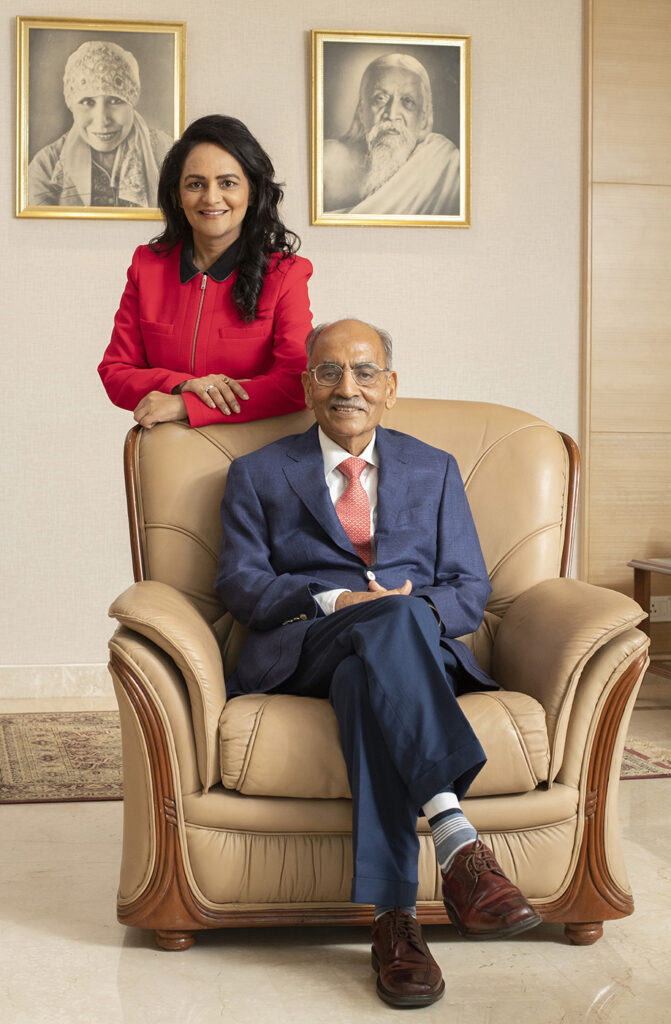
As Vardhman completes 60 remarkable years, how would you describe the company’s evolution from its early beginnings to becoming one of India’s most influential textile conglomerates?
“Over the last six decades, our journey has been defined by a deep commitment to excellence, responsibility, and continuous reinvention. What began as a modest textile operation in mid 60’s has steadily evolved into one of India’s most influential and diversified textile conglomerates. Our growth has been driven by three enduring pillars — a strong value-based culture, an uncompromising focus on quality, and the courage to invest ahead of time in new technologies and capabilities.
From pioneering yarns, sewing threads and fibres in our early years to building today’s integrated value chain with world-class spinning, weaving, processing, and garmenting, we have consistently modernized, expanded, and adapted to global market demands. Along the way, we’ve nurtured long-term partnerships, entered new product categories, and strengthened our global footprint.
Completing 60 years is not just a milestone — it’s a reflection of our people, our customers, and our belief in India’s potential as a global textile powerhouse. Our evolution is a testament to staying true to our roots while continuously embracing the future.”
Defining Milestones in Six-Decade Journey
Looking back, what would you identify as the key milestones—across leadership, technology, manufacturing, or market expansion—that shaped Vardhman’s rise over the past six decades?
“Across our 60-year journey, several defining milestones have shaped the company we are today. The first was the strong visionary leadership that laid our foundation — the leadership that believed in building scale, nurturing talent, and operating with integrity and long-term perspective.
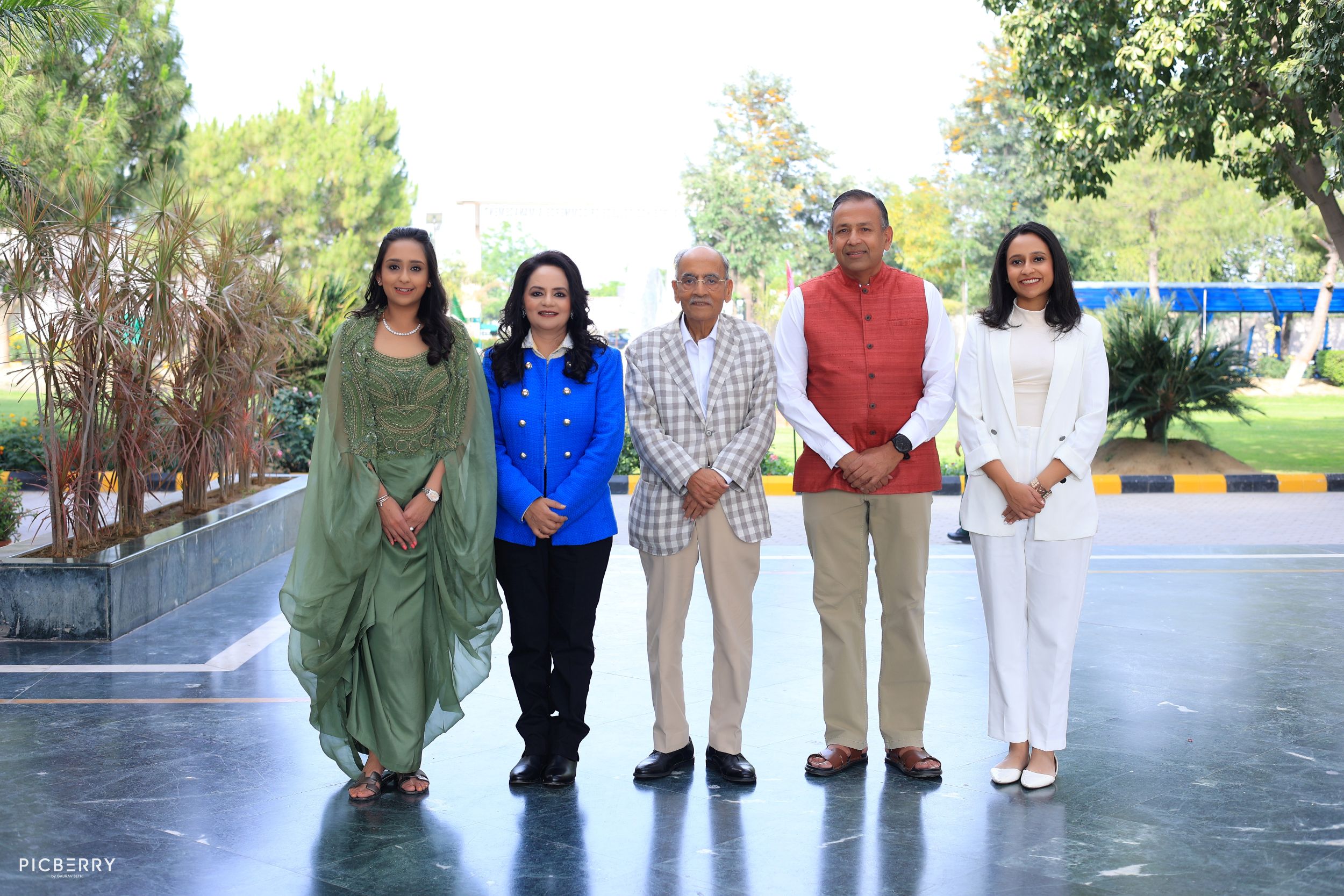
A second milestone was our early and continuous investment in world-class technology. Whether it was modern spinning systems, state-of-the-art weaving and processing or later our integrated garmenting capabilities, we have always aligned ourselves with global best-in-class machinery. This modernization mindset helped us consistently upgrade quality, productivity, and sustainability standards.
On the manufacturing front, expanding into a fully integrated textile value chain was another inflection point. It strengthened our control over quality, enabled product diversification, and allowed us to become a one-stop solution for customers worldwide.
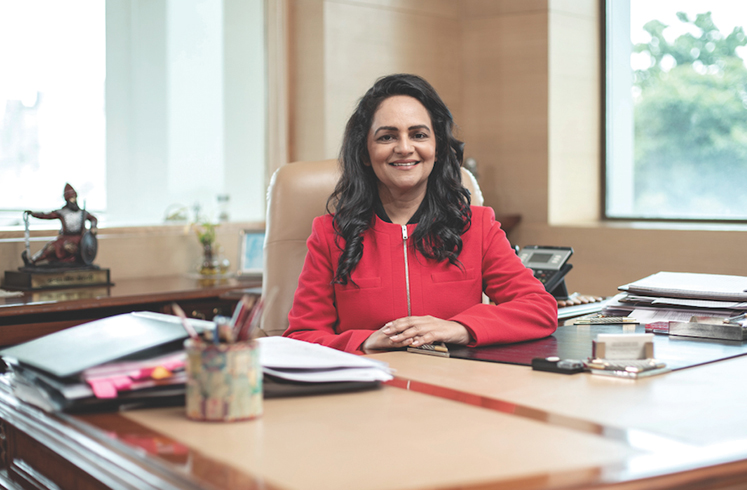
In terms of markets, our entry into international geographies and our ability to build long-term relationships with global brands greatly accelerated our growth. Each new market we entered pushed us to innovate, adapt, and raise benchmarks.
Together, these milestones — visionary leadership, technological leadership, integrated manufacturing excellence, and global market expansion — have been the driving forces behind our transformation into one of India’s largest and most respected textile companies.”
Manufacturing Scale and Infrastructure Strength
With 18 world-class manufacturing facilities, 1.23 million spindles, 240 million meters of finished fabric capacity (probably world’s single largest woven fabric capacity in a Company) & a capacity to manufacture over 2.3 million premium quality shirts every year, how has Vardhman built and sustained such a robust manufacturing ecosystem? What differentiates your infrastructure from competitors?
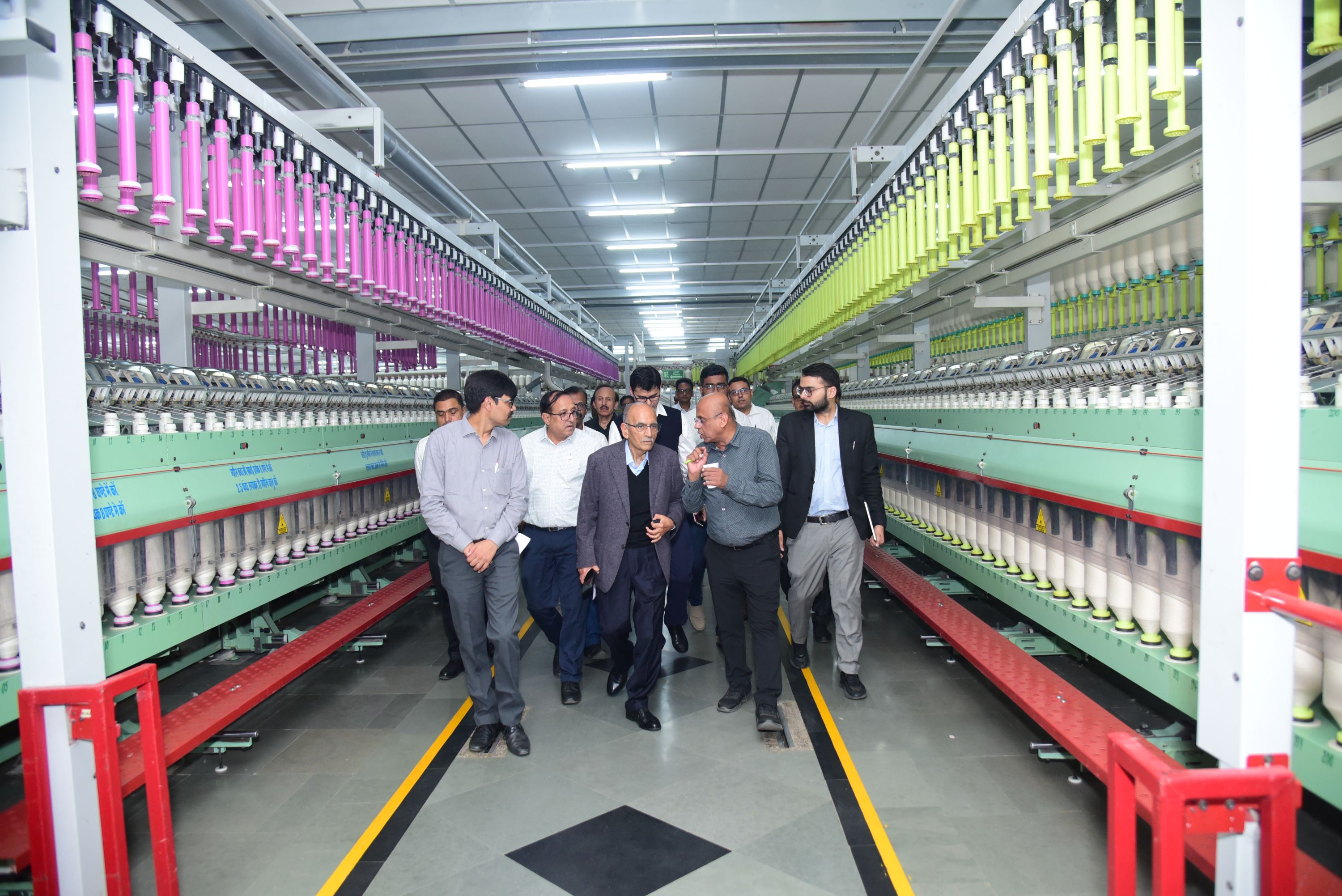
“Our manufacturing ecosystem has been built on the philosophy that scale, quality, and modernization must grow hand-in-hand. Over the years, we have deliberately invested in large, world-class facilities equipped with the latest technologies, automation, and digital systems. This long-term approach — rather than short-term expansions — has enabled us to create 18 integrated manufacturing units, 1.23 million spindles, capability to produce 240 million meters of woven fabric & 2.3 million premium quality shirts annually.
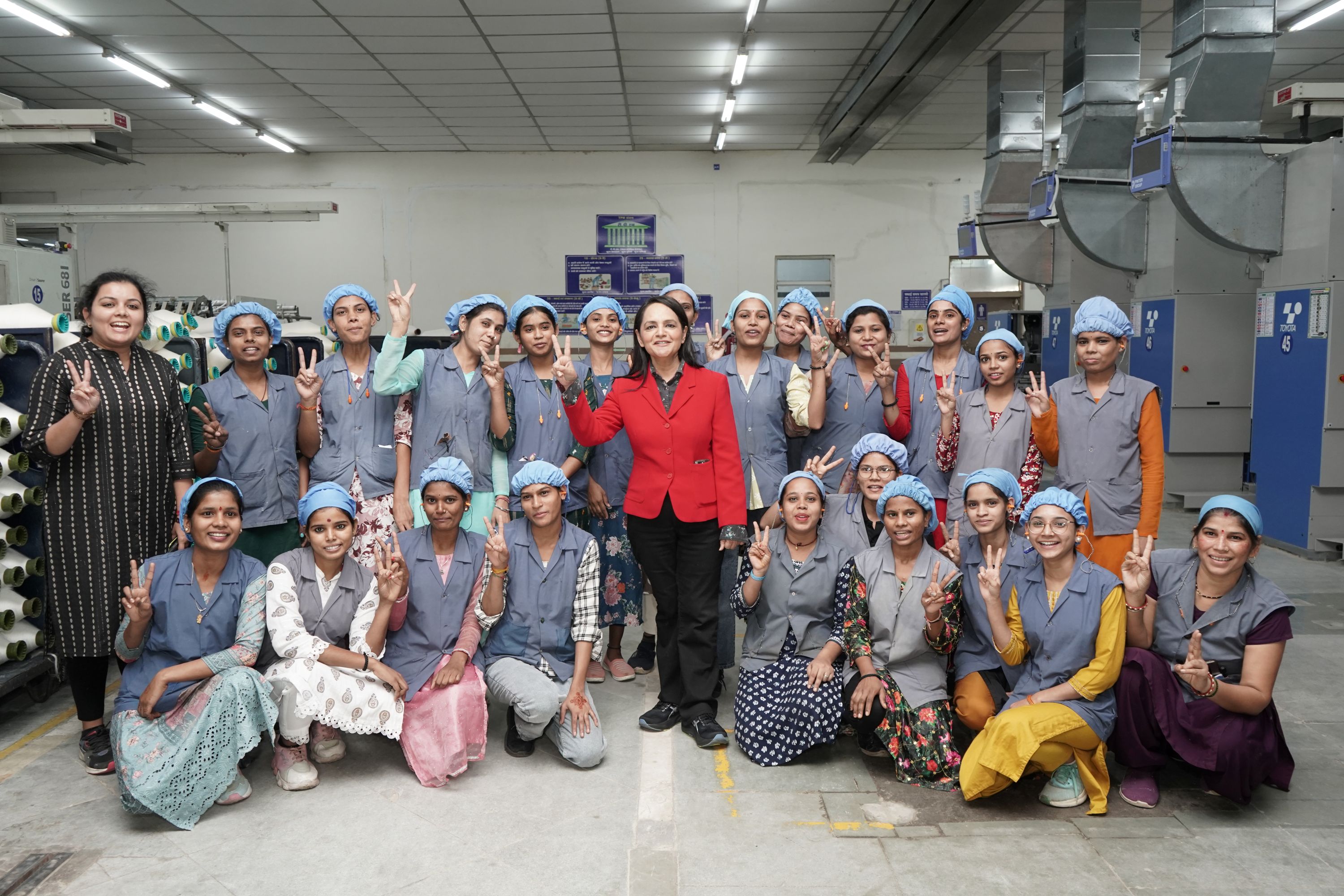
What truly differentiates us is not just the scale, but the coherence of the ecosystem. Our plants operate as integrated hubs across spinning, weaving, processing, and garmenting, ensuring full control over quality, consistency, and lead times. We also follow a philosophy of continuous modernization — machines are upgraded in cycles, new technologies are adopted proactively, and energy-efficient and sustainable systems are embedded across operations.
Another differentiator is the culture we have nurtured within our manufacturing teams. Our people are trained, empowered, and deeply aligned with our values of quality, reliability, and customer focus. This combination of scale, integration, modern technology, disciplined processes, and a strong people culture gives us an advantage that is difficult to replicate and sustain.
Sustaining this ecosystem has required vision, investment, and conviction — and that commitment to staying future-ready continues to guide us today.”
Strategic Investments and Modernisation
Vardhman has announced over Rs. 2,800 crore in modernization, capacity expansion, and green energy initiatives. How are these investments transforming your operational capabilities and preparing the company for the next decade?
“Our investment of over Rs. 2,800 crore reflects our commitment to building the next decade of competitiveness, sustainability, and product leadership. These investments are not incremental—they represent a strategic transformation of how we manufacture, innovate, and respond to global market needs.
A large part of this capital is directed toward modernization and automation across spinning, weaving, and processing. By installing next-generation machinery, enhancing digital monitoring, and adopting AI-enabled quality and planning systems, we are significantly improving productivity, consistency, and speed-to-market.
Our capacity expansion projects are equally important. They enable us to widen our product range, enter new segments, strengthen our global supply chain relevance, and meet the increasing demand from both domestic and international customers who see us as a long-term partner.
The push into green energy and sustainability — including solar, wind, and energy-efficient technologies, bio-mass boilers, ZLD, ETP etc. — is a cornerstone of our future strategy. These initiatives substantially reduce our carbon footprint, lower energy costs, and strengthen our journey toward becoming a more sustainable and responsible textile manufacturer.
Overall, these investments are preparing us not just for the next 10 years, but for the next generation. We have always believed in India’s potential as a global textile powerhouse, and our investments have consistently reflected that conviction. They reinforce our belief in India’s potential, ensure our infrastructure remains future-ready, and position us to continue leading the industry with scale, innovation, and sustainability.”
Over the years, we have expanded both scale and capability, responding to a clear pull from our customers who seek reliable, high-quality, and large-volume partners. This expansion is a strong step toward shaping the future of world-class textile manufacturing from India.
Foray into Synthetic Filament Fabrics
Your recent entry into 100% synthetic filament-based fabrics marks a major strategic pivot. What drove this decision, and how do you envision synthetics shaping Vardhman’s future product portfolio and global competitiveness?
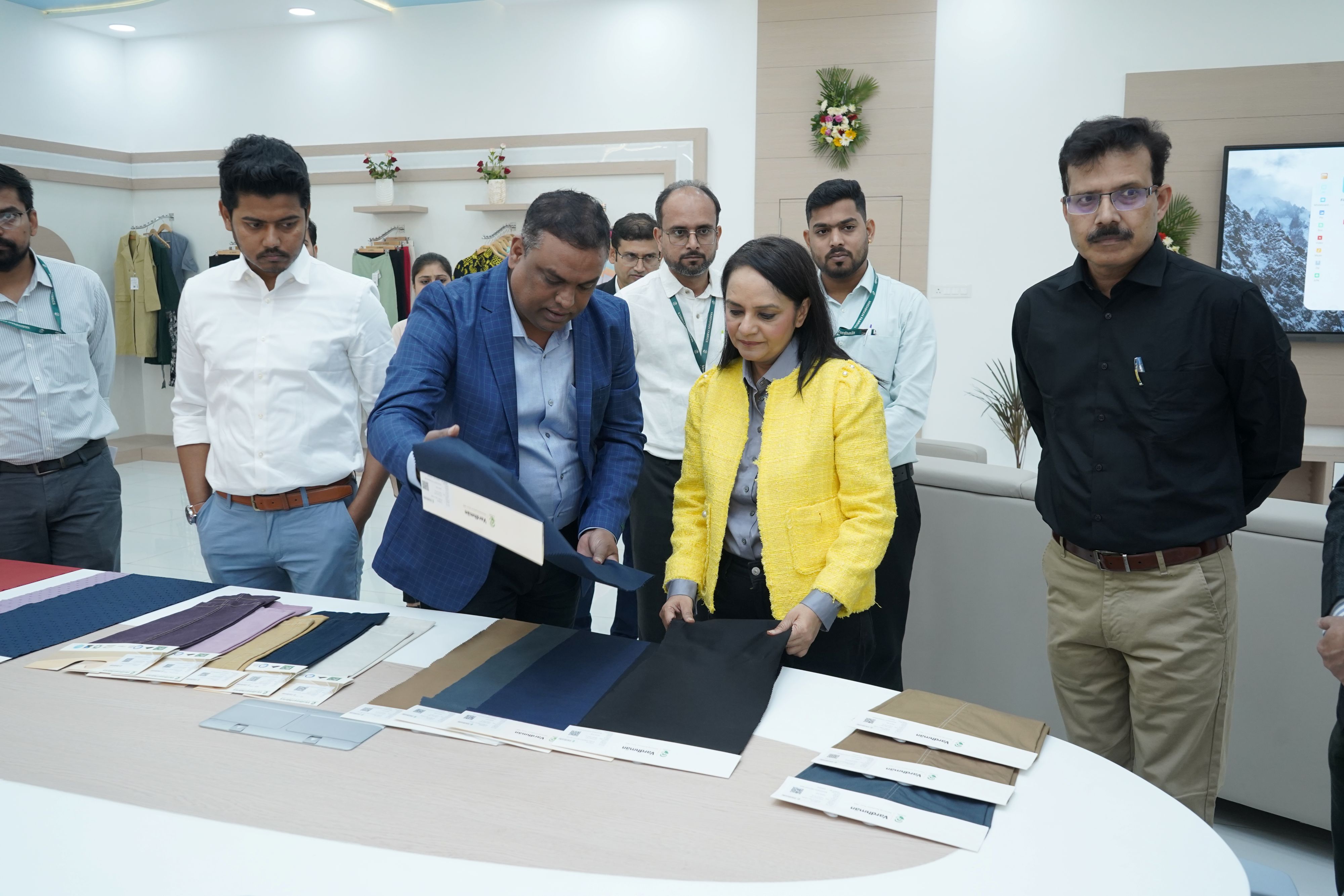
“Our entry into 100% synthetic filament-based fabrics is a carefully considered strategic shift that aligns with emerging global demand patterns and the long-term evolution of the textile industry. For many years, our strengths have been in cotton and blended fabrics, but customers today are increasingly seeking performance-driven, durable, and versatile synthetic solutions for apparel, activewear, industrial, and technical applications. Our aim was to become a one stop solution for all the needs of our valued customers.
This pivot was driven by three clear factors. First, synthetics represent one of the fastest-growing product categories worldwide, and entering this segment strengthens our relevance to global brands who look for innovation, versatility, and scale in synthetic fabrics.
Second, our strong manufacturing foundation — from spinning to weaving and processing — made it a natural adjacency. With the right technology investments, we were confident of producing high-quality filament fabrics that match global standards from day one.
Third, synthetics open the door to multiple future growth opportunities: performance textiles, technical textiles, functional fabrics, and newer categories that demand specialized capabilities. This significantly broadens our product portfolio and reduces our dependence on cotton cycles.
In the coming years, we see synthetics becoming an important pillar of our business — complementing our existing strengths while enabling us to serve a wider range of customers, markets, and end-use applications. This move reinforces our long-term vision: to be a fully diversified, innovation-driven textile company with global competitiveness across all major fiber platforms.”
Our new product basket addition i.e. 100% synthetic filament based fabrics named as ‘Vardhman Performance Fabrics’ is a reflection of India’s evolving textile landscape. As the world looks to diversify its sourcing base, India stands at an inflection point. Our vision is to build world-class synthetics right here at home, a product that competes globally and the quality that inspires confidence.
In short, our vision is to position Vardhman as India’s most reliable, technology-led supplier in the performance fabric space, capable of matching the best in Korea, China, Taiwan, or Europe, while keeping our Indian manufacturing edge.
Our timing is right because we’re entering with differentiation, discipline, and long-term intent, not just capacity, but capability.
Navigating Domestic and Global Market Dynamics
Given shifting trade dynamics—tariff changes, new FTAs, and demand fluctuations—how is Vardhman strengthening its position in domestic markets and reinforcing its presence in key global destinations such as the US, EU, UK, and Japan?
“Shifting trade dynamics have made it essential for textile companies to be more agile, diversified, and strategically positioned. For us, this environment has been an opportunity to strengthen both our domestic leadership and our global reach.
In the domestic market, we continue to deepen our presence by expanding our product portfolio, building stronger relationships with leading brands and value retailers, and offering differentiated, value-added fabrics. With India’s retail and fashion ecosystem growing rapidly, we see significant room for premiumization, faster service models, and wider penetration — all supported by our large integrated manufacturing base.
Internationally, our approach is built on consistency, reliability, and long-term partnerships. We have been aligning closely with customers in the US, EU, UK, and Japan by enhancing product innovation, improving service flexibility, and ensuring superior compliance and sustainability standards. Our continued capacity expansion and modernization also enable us to meet the evolving expectations of global brands who prioritize scale, speed, and quality.
We are also actively leveraging new trade opportunities, including emerging FTAs, while carefully mitigating risks associated with tariff changes and geopolitical shifts. Our strategy includes expanding into newer markets and also diversifying our product categories with performance and synthetic segments, and maintaining a balanced presence across major textile-consuming regions.
Ultimately, our ability to combine a strong domestic foundation with a resilient, geographically diversified global footprint ensures that we remain competitive and future-ready in a rapidly changing trade landscape.”
Sustainability and Circularity as Core Pillars
From the GreenWeave Project to the Renova recycling plant and major renewable energy investments, sustainability is deeply embedded in Vardhman’s DNA. How do these initiatives support your long-term ESG vision and global brand partnerships?
“Sustainability for us is not a recent agenda; it has been an integral part of our ethos for decades. Our initiatives — from the GreenWeave Project to our recycling plant and large-scale renewable energy investments — are all aligned to a long-term ESG roadmap that aims to make us one of the most responsible textile manufacturers in the world. In our group, we adopt a Holistic approach to sustainability using 3 R’s – Reduce, Reuse, and Recycle.
The GreenWeave Project is a landmark step in reducing carbon footprints, for better ESG disclosures and Net Zero Transformation. To further solidify the decarbonization efforts, our company joined the Manufacturer Climate Action Program (MCAP) in July 2024, reinforcing its commitment to sustainability leadership. Vardhman’s DJSI (Dow Jones Sustainability Indices) ESG score which stood at 20 in May’24, has improved substantially to 72 in March 2025. It reflects our commitment to responsible production while enhancing product performance and consistency. Our recycling plant further reinforces circularity by converting post-industrial textile waste into usable fiber, reducing landfill burden, and moving us closer to a closed-loop manufacturing ecosystem.
On the energy front, our investments in solar, wind, and high-efficiency systems significantly cuts our carbon footprint and strengthen our compliance with global climate benchmarks. These initiatives also improve long-term cost stability — a strategic advantage in a sector where energy is a large component of manufacturing cost.
For our global brand partners, these efforts signal a clear and credible commitment to ESG standards. Leading brands today expect their supply chain partners to meet stringent environmental and social criteria. Our proactive approach — instead of reactive compliance — strengthens trust, enhances collaboration, and positions us as a preferred partner for brands seeking transparent, low-impact, and forward-looking suppliers.
Together, these sustainability initiatives create a virtuous cycle: they benefit the environment, enhance operational efficiency, and deepen our partnerships with global brands who share the same values and ambitions.”
Digital Transformation and Automation in Manufacturing
Automation and digitization form a significant part of your modernization program. Could you share how these technologies are reshaping processes in spinning, fabric processing, and garmenting, and what efficiencies they are unlocking?
“Automation and digitization are central pillars of our modernization strategy because they fundamentally change the way we operate — enhancing precision, reducing variability, and enabling faster, data-driven decision-making across the value chain.
In spinning, advanced automation systems, real-time quality monitoring, and AI-based controls have minimized human intervention, reduced waste, and improved yarn consistency. Digital platforms allow us to track spindle performance, energy usage, and machine efficiencies with far greater accuracy, helping us optimize operations in real time.
In fabric processing, digitization has been transformative. Automated Dyes and Chemicals weighing and dispensing, continuous process monitoring and data-integrated dyeing systems ensure shade accuracy, lower reprocessing, and significant resource savings. Lately, we are also in the process of making use of digital dashboards and IoT-enabled machinery, which will analyse the variances instantly and respond proactively rather than reactively.
Garmenting has benefited from automated cutting rooms, smart sewing lines, and workflow digitization that improves productivity and reduces style changeover time. Upcoming digital transformation will also enhance traceability — a key requirement for global customers.
Across all segments, automation and digital integration are helping us reduce manpower dependency in critical areas, improve product reliability, shorten lead times, and enhance cost competitiveness. More importantly, they are enabling a culture where decisions are guided by data and predictive insights rather than intuition alone.
Overall, these technologies are not just improving efficiency — they are redefining how we design, manufacture, and deliver products, making our operations smarter, more agile, and future-ready.”
Strengthening Value Chain Integration: Garmenting Ambition
The garmenting division is scaling rapidly, targeting 12,500 shirts per day. How does this forward integration enhance Vardhman’s value proposition, and what innovations can we expect in apparel manufacturing and design?
“Our rapid scale-up in garmenting — with a target of 12,500 shirts per day — is a deliberate step toward becoming a fully integrated textile and apparel partner for our customers. Forward integration strengthens our value proposition by giving us end-to-end control: from fiber and fabric to the finished garment. This ensures superior quality consistency, faster turnaround, and the ability to co-develop products directly with brands, all of which are extremely valuable in today’s fast-moving retail environment.
Garmenting also allows us to capture greater value within the supply chain. Instead of stopping at fabric, we now deliver finished apparel, enabling us to participate in more design-led, trend-led, and consumer-facing categories. This shift deepens customer engagement and makes us a strategic rather than transactional supplier.
On the innovation front, we are deploying automated cutting rooms, digital pattern systems, modular sewing lines, and advanced finishing technologies that enhance precision and improve flexibility for smaller, more frequent style runs. We are also investing in 3D design tools, virtual sampling, and data-driven workflow planning to reduce development time and improve design accuracy.
Going forward, we see garmenting becoming a strong growth engine — enabling us to create differentiated apparel solutions, expand into new product groups, and strengthen our partnerships with global brands. It represents the natural next step in our evolution as a fully integrated, future-ready textile and apparel company.”
The Vardhman Formula for Success—And the Road Ahead
As the company enters its next phase of growth, what do you consider the core ingredients of Vardhman’s long-standing success? And what is your vision for Vardhman for the next 10–20 years in terms of leadership, innovation, and global impact?
The core ingredients of our success have remained remarkably consistent over 60 years. First, we have always been a value-driven organization — rooted in integrity, responsibility, and a people-first culture. These values form the backbone of every decision we make. Second, our commitment to quality and reliability has earned us the trust of customers in India and around the world. Third, we have always believed in reinvesting in our capabilities — whether in technology, capacity, design, or sustainability — which has kept us competitive across generations. And finally, the entrepreneurial spirit of our leadership and the dedication of our people have powered our evolution from a single textile unit to one of India’s largest and most respected textile conglomerates.
As we look ahead to the next 10–20 years, our vision is ambitious and clear. We aspire to be a global leader in fully integrated textiles and apparel, recognized not just for our scale, but for our innovation, sustainability, and design leadership. We will continue to invest in future technologies, automation, AI-driven manufacturing, and advanced materials, ensuring our infrastructure remains ahead of global standards.
Sustainability will remain at the heart of our growth — from green energy and water stewardship to circularity and responsible sourcing. We aim to be among the most environmentally conscious textile manufacturers in the world.
On leadership, we are focused on nurturing the next generation of talent and building a culture that blends deep experience with new-age thinking. Our ambition is to be a company where innovation, agility, and long-term value creation go hand in hand.
Way forward, we remain focused on:
1. Strengthening our technological edge and process efficiency.
2. Moving deeper into value-added and sustainable textiles.
3. Enhancing speed, flexibility and service levels for global brands.
4. Building raw-material diversity, partnering with reliable suppliers across India, China, Taiwan, and Korea.
5. Building an ecosystem that positions India firmly as a preferred global sourcing hub.
Our approach is clear: enter decisively, but expand modularly i.e. build in phases and align each step with confirmed demand.
Ultimately, our goal is to create a globally impactful, future-ready textile enterprise that continues to represent India on the world stage with excellence, pride, and purpose. The next chapter of our journey is about scaling new frontiers — in products, markets, and possibilities — while staying true to the values that have defined us for 60 years.”