In an industry where true sustainability lies not just in the final garment but deep within the chemistry behind it, Apna Organics Pvt. Ltd. is leading a quiet revolution. Headquartered in India, the company is at the forefront of green chemical solutions that are redefining the denim and textile ecosystem — not through lofty rhetoric, but with real, measurable change.
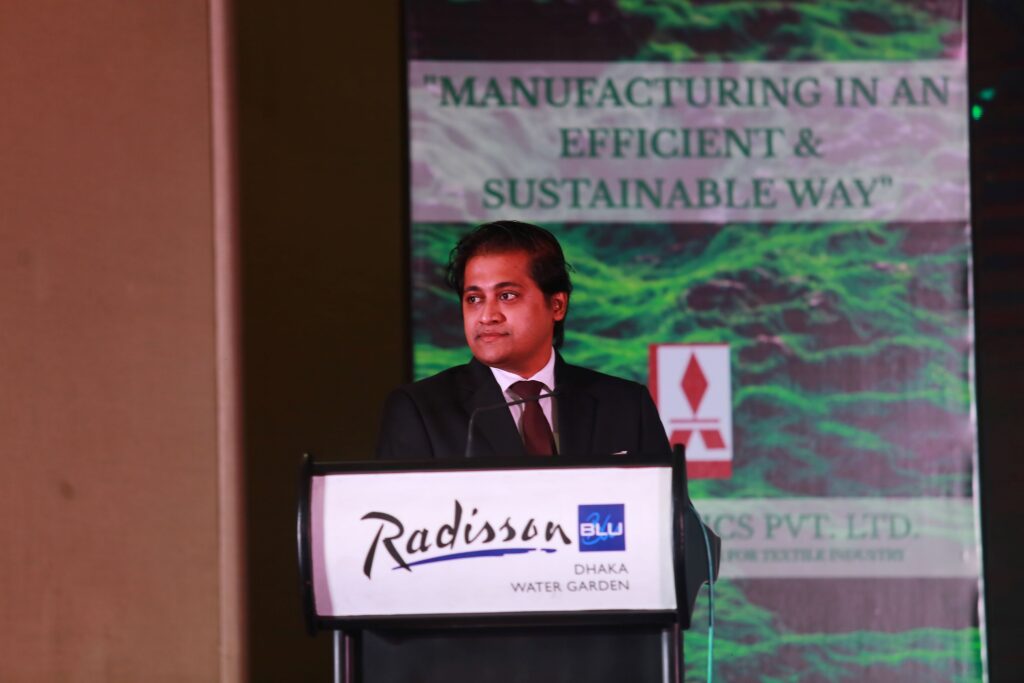
At the DenimandJeans 2025 show in Bangalore, we had the opportunity to speak with Mr. Shivam Saraf, Director of Apna Organics, about the company’s ethos, innovations, and vision for a cleaner, smarter industry.
Beyond Dyeing: The Chemistry of Responsibility
While Apna Organics doesn’t operate on the dyeing side of the value chain, its role in chemical inputs — the often-overlooked backbone of denim finishing — is critical. “Everyone is looking to make their production line sustainable and efficient. And it all starts with the raw materials — the chemicals. If those are not clean of hazards and compliant with regulations, the sustainability conversation is meaningless,” Mr. Saraf emphasized.
Apna Organics ensures that every chemical product it delivers meets rigorous standards of compliance, performance, and cost-efficiency. The company believes that sustainability should not be exclusive to premium brands, but accessible to all manufacturers — and that means offering green technologies at optimum cost.
Sustainability, One Day at a Time
“Sustainability is not an overnight achievement; it’s a continuous process,” said Mr. Saraf. He likens it to a daily commitment — a mindset more than a milestone. From raw material sourcing to process development, every aspect of the company’s workflow is evaluated through an eco-conscious lens.
Apna Organics is actively developing bio-based chemical technologies that move away from oil-dependent, petroleum-based formulations. These innovations aim to minimize the impact on BOD and COD levels in wastewater treatment and reduce the cost of water reutilization — a vital factor for responsible manufacturing.
Their focus is clear: reducing environmental toxicity while preserving product performance.
Overcoming Challenges with Purpose
One of the key challenges the company faces lies in definitional clarity. “Everyone defines sustainability differently. That’s where much of the confusion and resistance comes in,” Mr. Saraf noted. Change, especially in traditional industries, comes slowly.
From legacy mindsets to inconsistent interpretation of what ‘green’ truly means, Apna Organics has encountered its fair share of industry inertia. Yet, by educating partners and standardizing practices, the company continues to win trust and expand adoption across the denim value chain.
Global Collaborations for Local Impact
Apna Organics is not working in isolation. “We are collaborating with partners across the globe to find the most suitable and scalable chemical solutions that meet ESG and sustainability targets,” said Mr. Saraf. These partnerships are rooted in a shared mission — to innovate, validate, and integrate sustainable chemistry into everyday production processes without compromising on quality or cost-effectiveness.
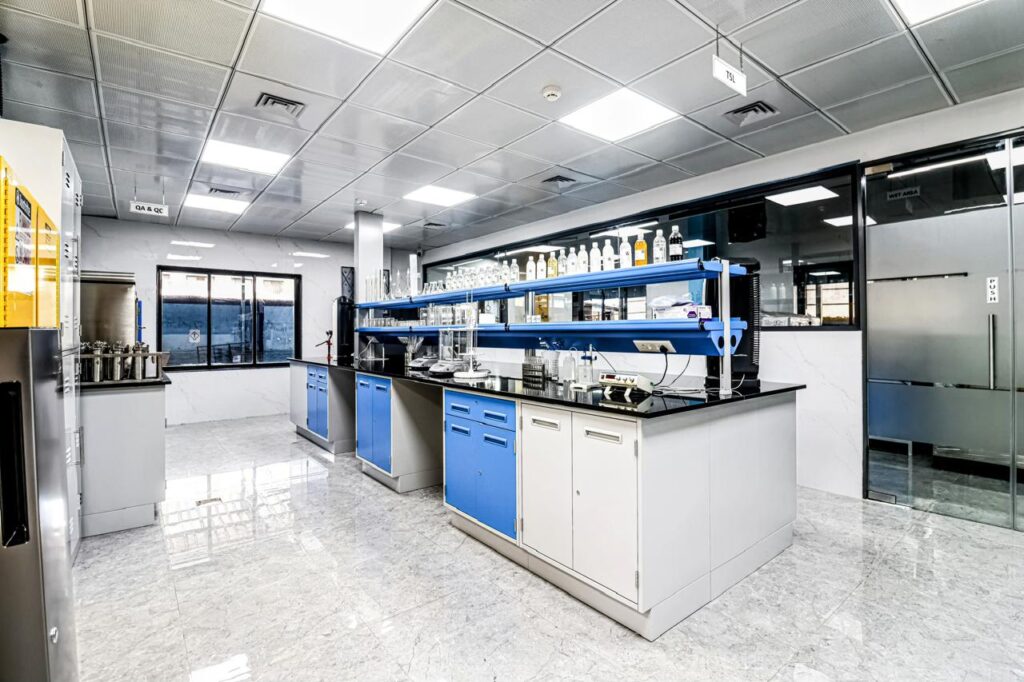
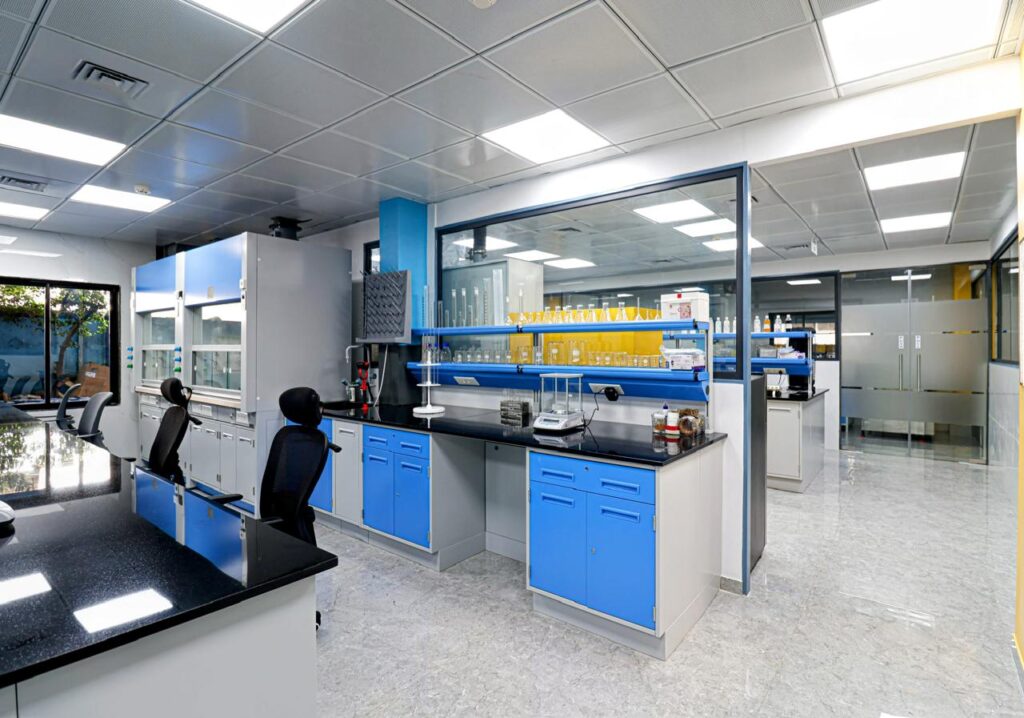
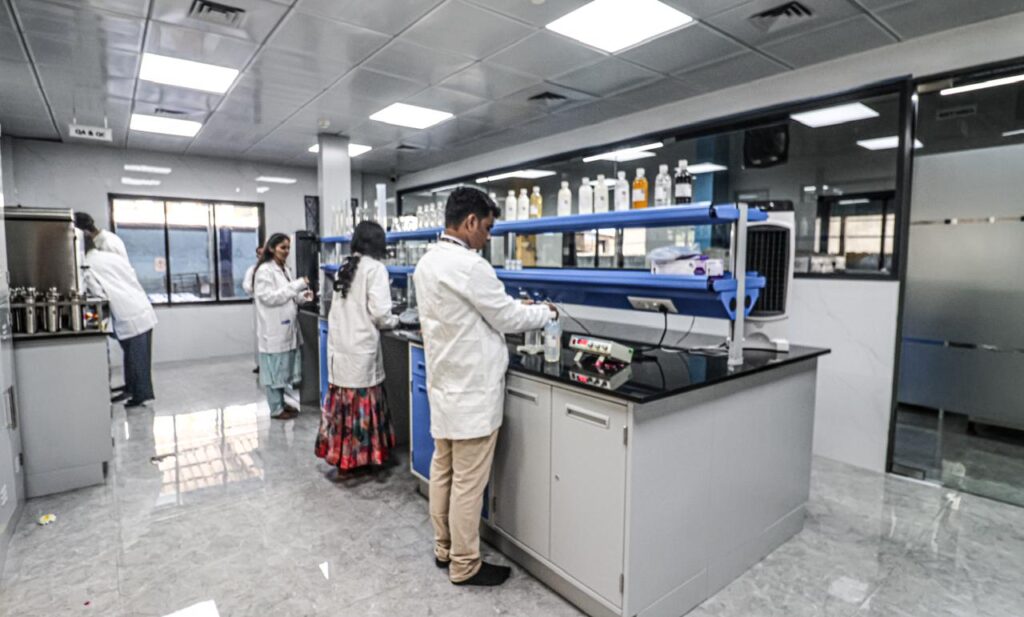
A significant testament to this effort is the recent expansion of Apna Organics’ in-house laboratory, headed by Dr. Benjamin, a former BASF and Archroma technical expert with over three decades of industry experience. Under his leadership, the lab focuses on rigorous testing, validation, and standard operating protocols (SOPs) to ensure unwavering consistency across batches and customer bases.
Why Platforms Like DenimandJeans Matter
When asked about the value of the DenimandJeans India show, Mr. Saraf was emphatic: “This is more than a trade event—it’s a forum for collective growth and conversation. Sustainability can’t be solved in isolation. The entire value chain must be in the same room.”
Citing India’s position in the global garment manufacturing race — now lagging behind competitors who have rapidly advanced their infrastructure — Mr. Saraf believes that collaboration, not competition, is the way forward. “We need to ask not just if we want to grow, but how we plan to grow. And events like this help ignite that dialogue.”
The Road Ahead
Looking forward, Apna Organics is doubling down on its commitment to eco-responsible innovation, with a pipeline of products focused on:
- Bio-based alternatives to conventional finishes
- Water and energy-saving technologies
- Scalable, cost-effective green chemistry for denim laundries and mills
As Mr. Saraf succinctly puts it, “The goal is not just to reduce harm, but to create value — for the planet, for our partners, and for the future of denim.”
Conclusion: A Green Catalyst in the Denim Chain
In a world awash with sustainability claims, Apna Organics stands apart for its grounded, chemistry-first approach. From the lab bench to the production floor, the company’s work is a reminder that real change begins at the molecular level — long before fabric touches the loom.
With a growing reputation as a credible and collaborative sustainability partner, Apna Organics is helping shift the denim industry toward a cleaner, more conscious future — one responsible innovation at a time.