By Arun Rao
Founded in 1993 and headquartered in Noida, CTA Apparels began as a modest textile workshop with a bold vision — to build an organization grounded in ethical manufacturing, innovation, and uncompromising quality. Over the decades, CTA has grown into a globally respected, vertically integrated apparel powerhouse. Today, the company exports premium-quality garments to over 40 countries, maintaining its core values while continually pushing the boundaries of modern manufacturing excellence.

World-Class Manufacturing: Facilities and Scale
“CTA operates three state-of-the-art garment units in Noida, covering over 250,000 sq. feet, with 2,000+ machines and monthly output exceeding 1.15 million garments. Our textile processing plant located in Pilkhuwa, Uttar Pradesh spans 125,000 sq. feet and processes 100,000 meters of woven fabrics and 7,500 kg of knits daily, while a dedicated garment dyeing setup handles 10,000 pieces per day,” Dr. Mukesh Kansal, Chairman, CTA Apparels informed while speaking with The Textile Magazine.
Embracing Industry 4.0: Smart Automation at Work
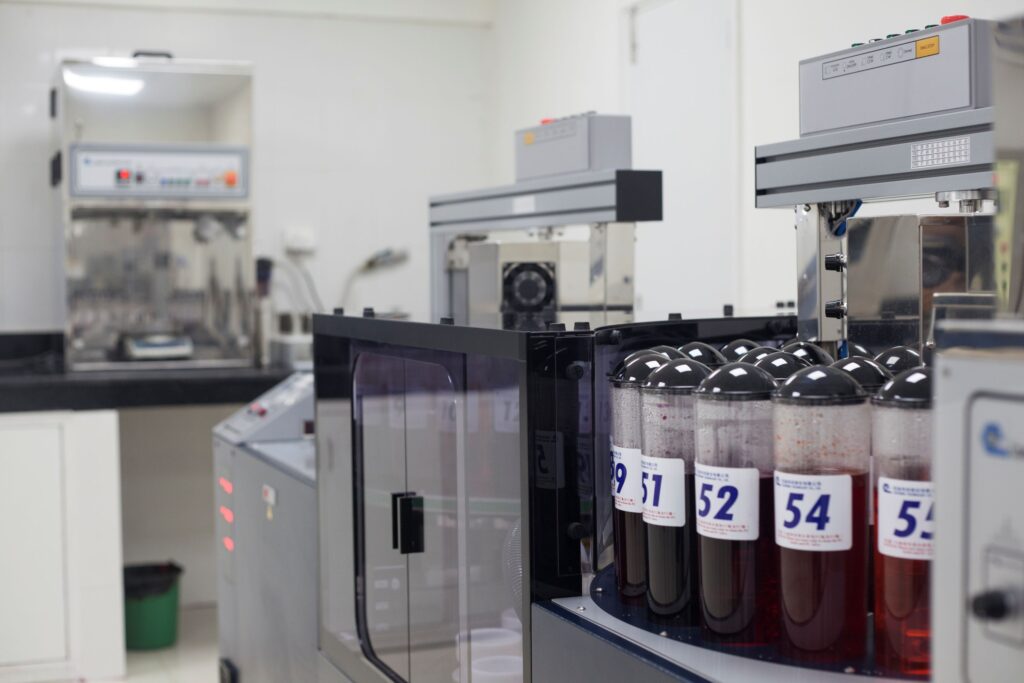
Among automation initiatives, CTA has embraced Industry 4.0 with enthusiasm. Its facilities feature laser precision cutters, IoT-enabled sewing lines, automatic spreaders, and digital embroidery machines with up to 12-colour capabilities. Fabric inspection, dyeing, and even laundry systems are fully automated, delivering unmatched consistency and efficiency.

The company has also integrated automated cutting systems with three additional tabs, enabling operator-wise defect tracking across all sewing lines. This real-time defect detection system allows for precise quality control and immediate corrective measures. Every function is backed by robust data analytics for rapid decision-making and performance optimization.
Unmatched Product Portfolio and Customization Capabilities
“We have a wide and expansive portfolio of apparels which in knits includes t-shirts, polos, and sweatshirts and in wovens we manufacture shirts, trousers and dresses. Additionally, we also produce other categories like athleisure, lingerie, kidswear, outerwear, sleepwear, workwear, and bottoms like jeans and leggings. While, customization options span embroidery, sequins, special washes, and luxury finishes to suit diverse global markets,” he added.

Vertical Integration and Digital Excellence
Dr Kansal further said, “What makes CTA exceptional is our vertical integration, which enables complete control from fibre to fashion. But perhaps our most distinctive strength lies in our extraordinarily advanced ERP systems and live dashboarding tools which are smart and precise, and so it borders on unreal. Every single process—from fabric receipt and layering to design, development, and delivery—is digitally governed by SOP-enforced workflows. All our merchandising and design functions operate through our in-house ERP infrastructure, which enables real-time coordination, AI-powered trend forecasting, instant reporting, and granular-level traceability.”

CTA Apparels’ defect-tracking framework is further enhanced by automated cutters linked with three intelligent tabs, capturing performance data line-by-line and operator-by-operator. This ensures a fully traceable, consistent, and quality-driven operation where nothing is left to chance.
Sustainability at the Core
Sustainability is not an initiative at CTA, but it is at core of its existence. The infrastructure is powered by a 2.2 MW solar setup and driven by a Zero Liquid Discharge (ZLD) system, ensuring 90% wastewater recycling. Other initiatives include rainwater harvesting, and advanced waste tracking via Reverse Resource. “Our commitment includes achieving 100% renewable energy use by 2026 and complete carbon neutrality by 2030,” he stated.
CTA Apparels proudly holds several compliance certifications like GOTS, OEKO-TEX Standard 100, Better Cotton Initiative (BCI), Global Recycled Standard (GRS), Organic Content Standard (OCS), Forest Stewardship Council (FSC), SEDEX, ZDHC Level 3 and Higg FEM verified systems.
Global Footprint and Iconic Clientele
“CTA exports to more than 40 countries, working with iconic names such as Zara, H&M, StreetOne, Benetton, American Eagle, and Kappahl. We are actively diversifying markets, investing in value-added sustainable products, and maximizing tariff benefits. Our digital systems ensure traceability and compliance with evolving global regulations. This agility has been instrumental in maintaining our 98% on-time delivery rate even in complex scenarios,” he shared.
Strategic Expansion and Future Roadmap
In future plans, the company is planning to add a new fully automated garment unit with a capacity of 150,000 garments per month to its existing capacity. While the expansion at the Pilkhuwa plant features a 125,000 sq. feet advanced mill with Reggiani digital printing, Tonello dyeing, and circular knitting setups. A 6 MW solar plant and a 300 kW turbine are also in the process of being commissioned.
Policy Advocacy and Industry Outlook
“We urge the government to enhance RoDTEP and ROSCTL disbursements, reduce duties on sustainable materials, and promote FTAs. Infrastructure support, skill development programs, and clean energy incentives will be vital in making India a preferred sourcing hub,” Mr Kansal observed while sharing his expectations from the government on policies that can help boost garment exports.
“With India targeting a USD 5 trillion economy, the apparel sector is poised for exponential growth. CTA plans to leverage AI, smart automation, and complete vertical integration in knits. Collaborations with domestic brands and e-commerce giants will open new frontiers as we maintain our leadership in sustainability and innovation,” he concluded by saying.