
In a year marked by global uncertainty, tariff challenges, and geopolitical instability, Italian textile machinery manufacturer DETTIN S.p.A. continues to demonstrate resilience, innovation, and steady growth. According to Fiorella Cattelan, Sales Director at Dettin, 2025 has been a strong year for the company despite difficult global conditions.
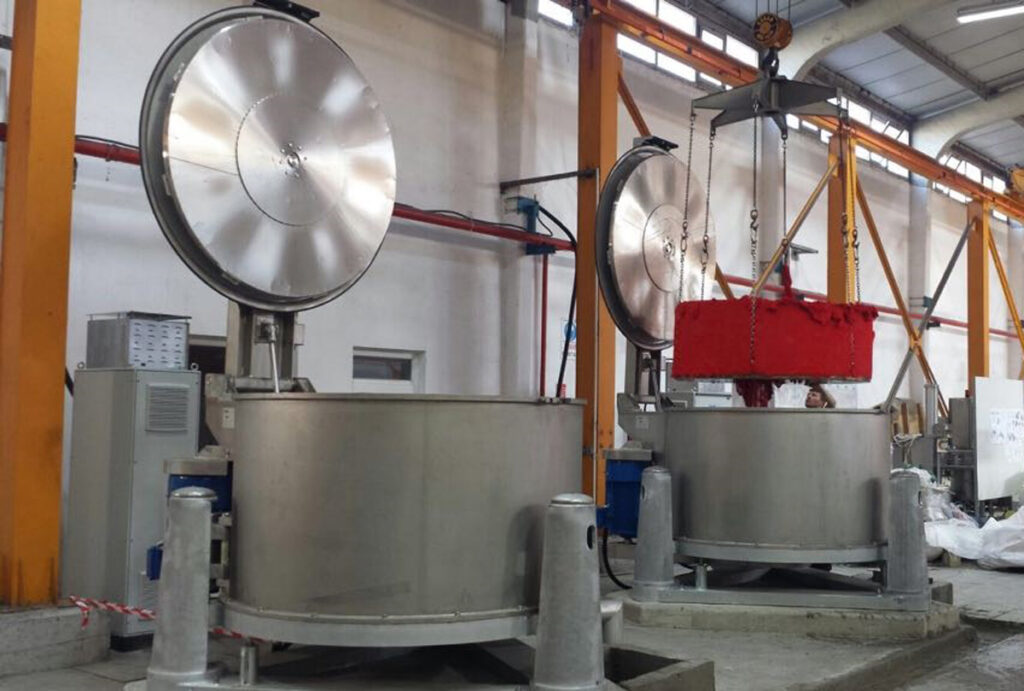
“Dettin’s year is progressing as planned in the budget and will be completed in December with one of the highest levels of turnover,” she says, underscoring the company’s solid financial performance and operational stability. Founded on decades of engineering excellence, Dettin is globally recognized for its high-performance hydroextractors, dryers, and automated textile handling systems. The company’s recent product innovations reflect its deep commitment to sustainability and efficiency.
“We started manufacturing our hydroextractors with the possibility of recovering, within the network, the energy produced during the braking phase, rather than dissipating it into heat,” explains Fiorella. “Other solutions are being studied, but are still under development as they are intended for possible patents.” This focus on energy recovery highlights Dettin’s strategy to integrate sustainability directly into machine performance — a hallmark of next-generation textile manufacturing.
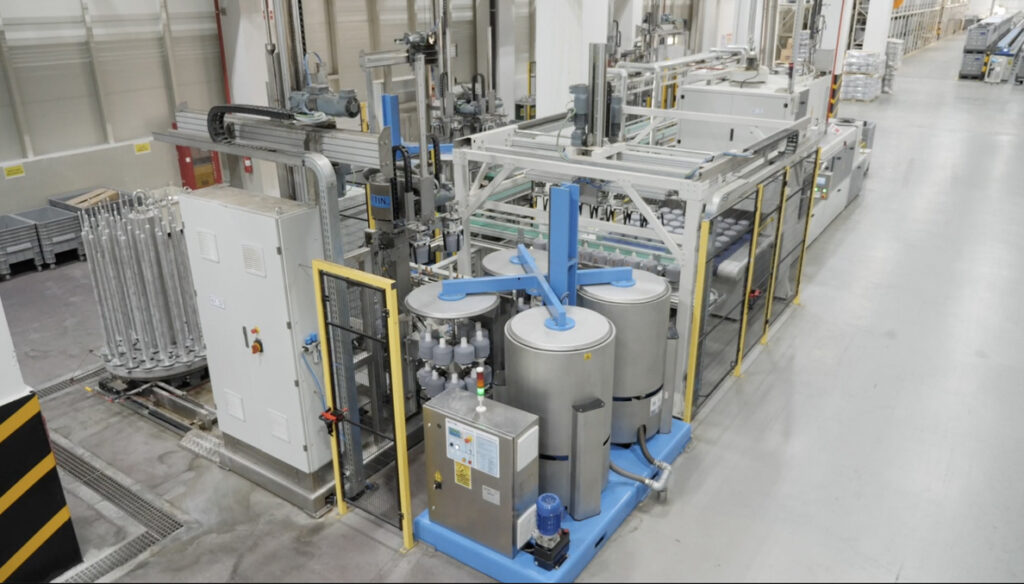
As the textile industry looks forward to ITMA ASIA 2025 in Singapore, Dettin is preparing to showcase not just its hallmark reliability and engineering quality but also its advanced automation capabilities. “Our customers find in Dettin a partner who is able to solve problems relating to the automation and handling of textile products quickly, safely, and effectively,” says Fiorella. The company’s innovative systems streamline complex processes, enhancing efficiency and safety across dyeing, drying, and material handling operations.
Despite persistent tariff challenges, particularly between major trade economies, Dettin continues to maintain its projected sales and production levels for the year. Fiorella notes that the company is witnessing a “slight improvement in sales in Central and South American countries,” signaling growing demand in emerging textile markets.
When it comes to India — one of Dettin’s most significant markets — the company remains highly optimistic. “The Indian market historically has always been one of the most important for Dettin, and it continues to be so nowadays,” says Fiorella. “We expect to maintain the sales level of production machines and considerably increase the sales of automatic systems.” This focus on automation aligns with India’s textile modernization drive, as mills increasingly seek to integrate Industry 4.0 technologies for enhanced productivity and reduced operational costs.
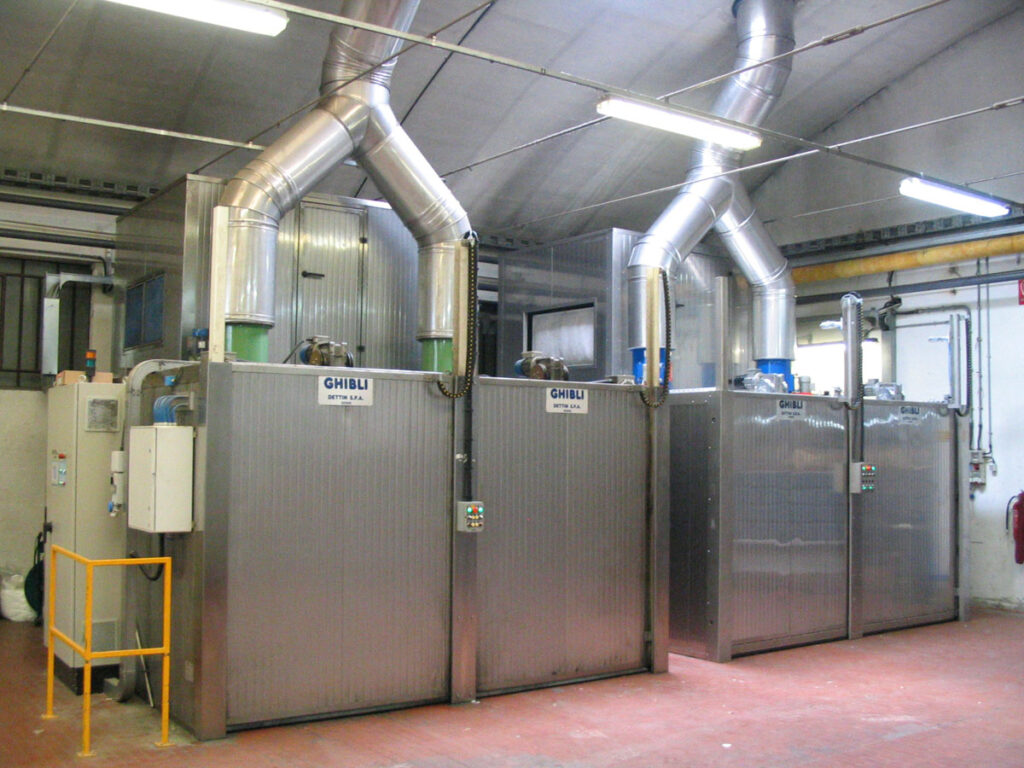
Automation is, in fact, central to Dettin’s future vision. “In the package dyeing sector, we can supply stand-alone or fully integrated systems ranging from depalletization to loading of dye-house carriers—with or without pressing—to automatic centrifugation, drying, and repalletization,” Fiorella elaborates. These systems feature fully automatic shuttle or overhead crane movements, redefining the standard for efficiency in modern dye houses.

Equally important to Dettin’s philosophy is sustainability. The company has reinforced its commitment to responsible manufacturing by securing ISO 45001 certification for Occupational Health and Safety Management and ISO 14001 certification for Environmental Management. “All this is also transferred to the machines we build,” she emphasizes, noting that Dettin’s products are designed with safety, environmental responsibility, and long-term reliability in mind.
Looking ahead, Fiorella envisions continued global expansion and customer-centric growth. “We want to strengthen our presence in countries in an increasingly widespread way in order to serve customers in a better and more efficient way,” she concludes.
Through innovation, automation, and sustainability, Dettin S.p.A. continues to set new benchmarks in textile machinery manufacturing — empowering mills around the world to achieve higher productivity, energy efficiency, and environmental stewardship.