With increasing environmental regulations and rising water scarcity, efficient effluent treatment and water recovery have become critical priorities for the textile industry. Companies are seeking solutions that not only ensure compliance with Zero Liquid Discharge (ZLD) norms but also reduce operational costs and improve recovery efficiency.
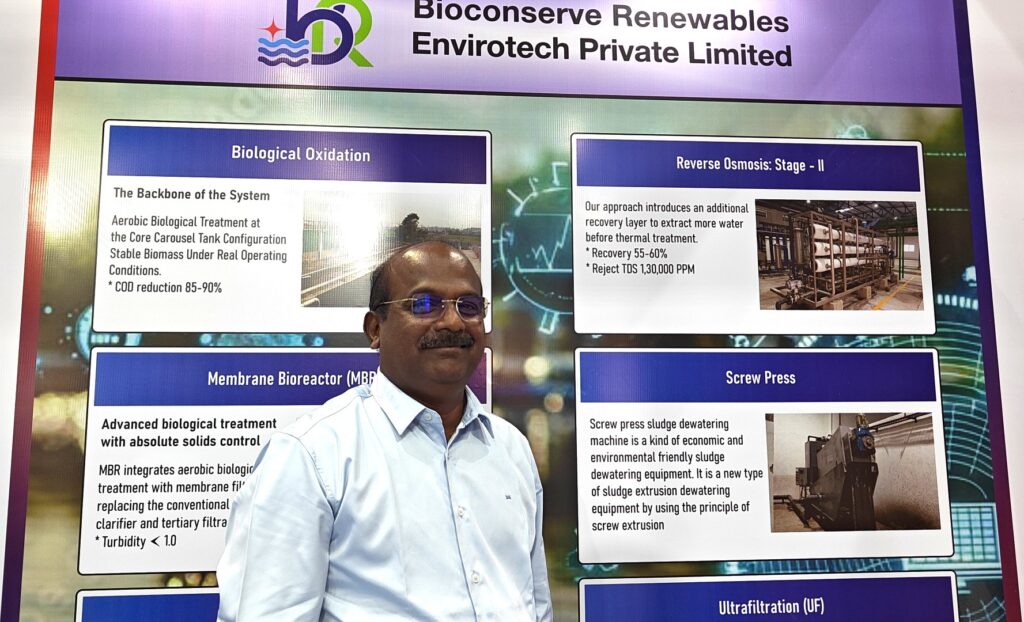
Bio-Conserve Renewables Envirotech Pvt. Ltd. (BREPL), founded by industry veteran Mr. S. Ramu, Managing Director, in collaboration with Batliboi Ltd., is working to address these challenges through practical, field-driven solutions in effluent treatment and water recovery systems. Drawing on decades of hands-on experience in operating and managing Effluent Treatment Plants (ETPs), Mr. Ramu has developed solutions that emphasize operational efficiency, predictive monitoring, and sustainable water management.
In this interaction, Mr. Ramu shares insights into the company’s journey, its technological approach, and the opportunities emerging in effluent treatment solutions for the textile and allied industries.
Strategic Collaboration with Batliboi
A significant milestone for BREPL has been its collaboration with Batliboi, a long-established engineering company with a strong reputation and extensive technical capabilities. The partnership provides access to a broader market network and technical infrastructure, enabling the company to expand its reach while maintaining high engineering standards.
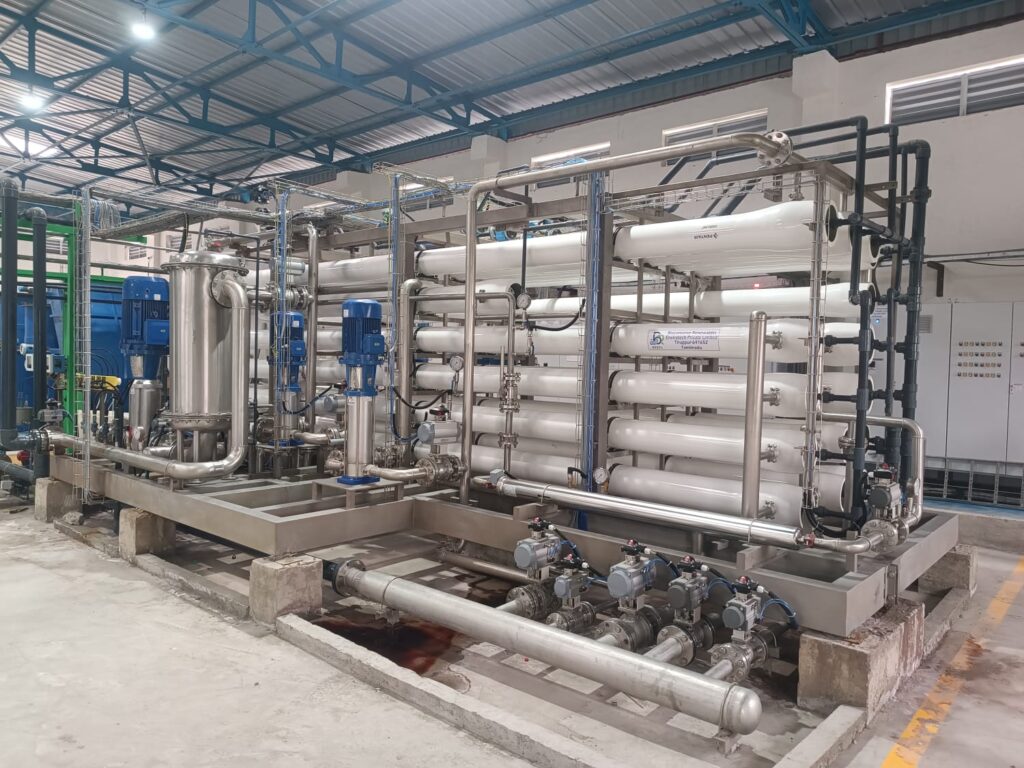
At the same time, the collaboration allows BREPL the operational independence needed to drive innovation and deliver customized solutions based on real-world operational experience
A New Venture Built on Decades of Experience
Bio-Conserve Renewables Envirotech Pvt. Ltd. was established as a collaborative initiative aimed at providing effective and affordable solutions for effluent treatment plants and Zero Liquid Discharge systems.
The company’s focus is on helping industries overcome operational bottlenecks in ETPs—particularly those related to high operational costs and inefficient recovery processes. Leveraging extensive experience in operations and maintenance (O&M), Mr. Ramu has worked to integrate practical insights gained from years of troubleshooting and plant management into the company’s solutions.
The approach is rooted in real operational data rather than theoretical models. Having spent many years managing effluent treatment systems in industrial environments, the company emphasizes practical solutions that address the real challenges faced by plant operators on the ground.
Early Projects Demonstrating Recovery Efficiency
BREPL’s first major project was implemented in Bhopal for Sagar Industries, where the company successfully achieved significant water recovery levels in the effluent treatment process.
Following this success, the company has undertaken several new projects, including a major installation for Kapoor Industries in Panipat, involving a large-scale system currently under execution and expected to be completed within the year. In addition, the company is executing projects in Tirupur involving membrane bioreactor (MBR) technology.
These projects reflect BREPL’s growing presence in the effluent treatment sector and demonstrate the company’s focus on delivering efficient recovery systems tailored to the needs of textile processing units.
From Conventional Treatment to Advanced Recovery Systems
Mr. Ramu’s journey in the effluent treatment sector began decades ago in Tirupur with one of the early individual effluent treatment facilities in the region.
Over the years, the industry has evolved significantly—from conventional treatment methods to advanced membrane-based technologies. Early systems relied heavily on physical and chemical treatment methods, but modern approaches increasingly emphasize biological treatment and high-efficiency recovery systems.
Today, technological improvements have enabled much higher levels of water recovery, and even processes such as salt recovery—once considered difficult to achieve—are becoming a practical reality.
Practical Data and Operational Expertise as Key Differentiators
The effluent treatment segment is highly competitive, with both international technology providers and numerous local solution providers operating in the market.
However, BREPL differentiates itself through its strong operational foundation. Mr. Ramu emphasizes that the company’s solutions are based on practical operational data rather than theoretical assumptions.
Having personally managed plant operations and maintenance, he brings a deep understanding of the challenges faced by operators and engineers. This experience enables the company to design systems that are not only technically sound but also operationally practical and economically viable.
Forecasting and Preventive Monitoring in ETP Operations
One of the distinguishing features of BREPL’s approach is its emphasis on predictive monitoring and preventive management of effluent treatment systems.
Instead of reacting to problems after they occur, the company focuses on forecasting potential issues by closely monitoring process parameters. By analyzing inlet characteristics and operational data, the system can anticipate fluctuations such as shock loads or sudden changes in effluent composition.
This proactive approach helps plants maintain stability even when process conditions vary—such as when textile units shift between dyeing, bleaching, or printing operations.
Preventive monitoring and parameter analysis therefore play a crucial role in ensuring consistent plant performance and reducing the risk of operational disruptions.
Growth Through Customer Trust and Service Excellence
Unlike many companies that rely heavily on marketing, BREPL’s growth strategy is largely driven by customer references and industry relationships.
According to Mr. Ramu, satisfied customers often recommend the company to other industries, creating a strong referral-based growth model. This approach reflects the company’s emphasis on delivering reliable solutions and dependable service.
BREPL also places strong emphasis on after-sales support, recognizing that effluent treatment systems require continuous monitoring and service support, particularly during the first year of operation.
Expanding Opportunities Beyond the Textile Sector
While the company’s primary focus has been the textile industry—especially in major clusters such as Tirupur—BREPL is increasingly exploring opportunities in other industrial sectors that require advanced effluent treatment solutions.
In addition to domestic demand, there is growing interest from international markets. The company has already received enquiries from countries such as Sri Lanka and regions in Africa, highlighting the global demand for expertise in effluent management.
India, particularly the textile processing clusters, has developed significant expertise in handling complex effluent streams, positioning companies like BREPL to play an important role in global environmental solutions.
As environmental regulations tighten and water scarcity becomes a growing concern, efficient effluent treatment and water recovery solutions will play an increasingly important role in industrial sustainability.
Bio-Conserve Renewables Envirotech Pvt. Ltd., under the leadership of Mr. S. Ramu, is leveraging decades of practical experience to develop solutions that prioritize operational efficiency, predictive monitoring, and high recovery rates.
By combining field-driven expertise with engineering support and strong customer relationships, the company is steadily establishing its presence in the effluent treatment sector. With opportunities expanding both in India and internationally, BREPL aims to build its reputation through reliable technology, effective service, and a commitment to sustainable water management.