Embracing AI for Business Efficiency and Customer Engagement
Surat based Daga Group which has three verticals, home furnishings, knitted fabrics and ethnic wear has adopted and harnessed the power of Artificial Intelligence (AI) in order to bring in more efficiency into their day-to-day operations and help them remain close to their customers.

“We are becoming a technology-driven company, using AI to analyse our data and produce fabrics that match market demand,” explains Mr. Jayant Daga, Partner at Daga Group. “While it’s not possible to be physically close to every customer, AI helps bridge that gap by showing us which fabric qualities and designs sell best, how much customers buy each month, and which styles are in demand. If orders from a customer start declining, AI alerts us so we can reach out personally.”
The Group also uses AI for sales forecasting, accounts management, and social media marketing. Figures that once took hours to compile are now ready in seconds. “We plan to introduce AI into every department across all our verticals to drive efficiency,” Mr. Daga adds.
Humble Beginnings
The Daga family shifted from Rajasthan to Surat in 1996 and initially began by trading in fabrics and set up their own office in 1999 in the name of Shree Salasar Textiles and at that time were only trading in shirting and suiting fabrics. At the time, a single design might remain popular for 4–5 years — a stark contrast to today’s market, where trends can shift in weeks.
Vertical One – Maruti Furnishings: Home Furnishing Expertise
In 2012, the family forayed into home furnishings in the name of Maruti Furnishings and sold readymade curtains and in 2016 entered the knitted fabric segment under the name of Salasar Textiles, followed later on by Hanuman Textiles, which is into ethnicwear fabrics and also suiting and shirting. After establishing Hanuman Textiles, the company showcased itself under the name of Daga Group.
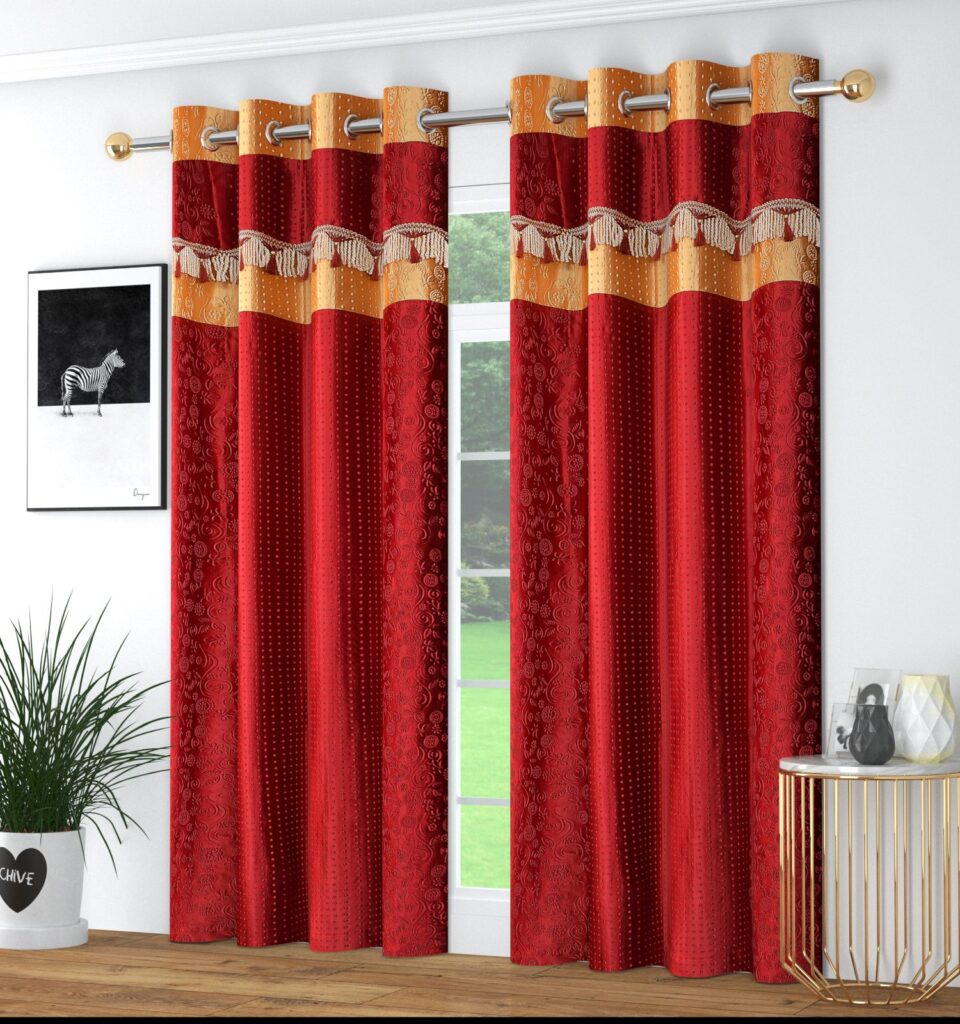
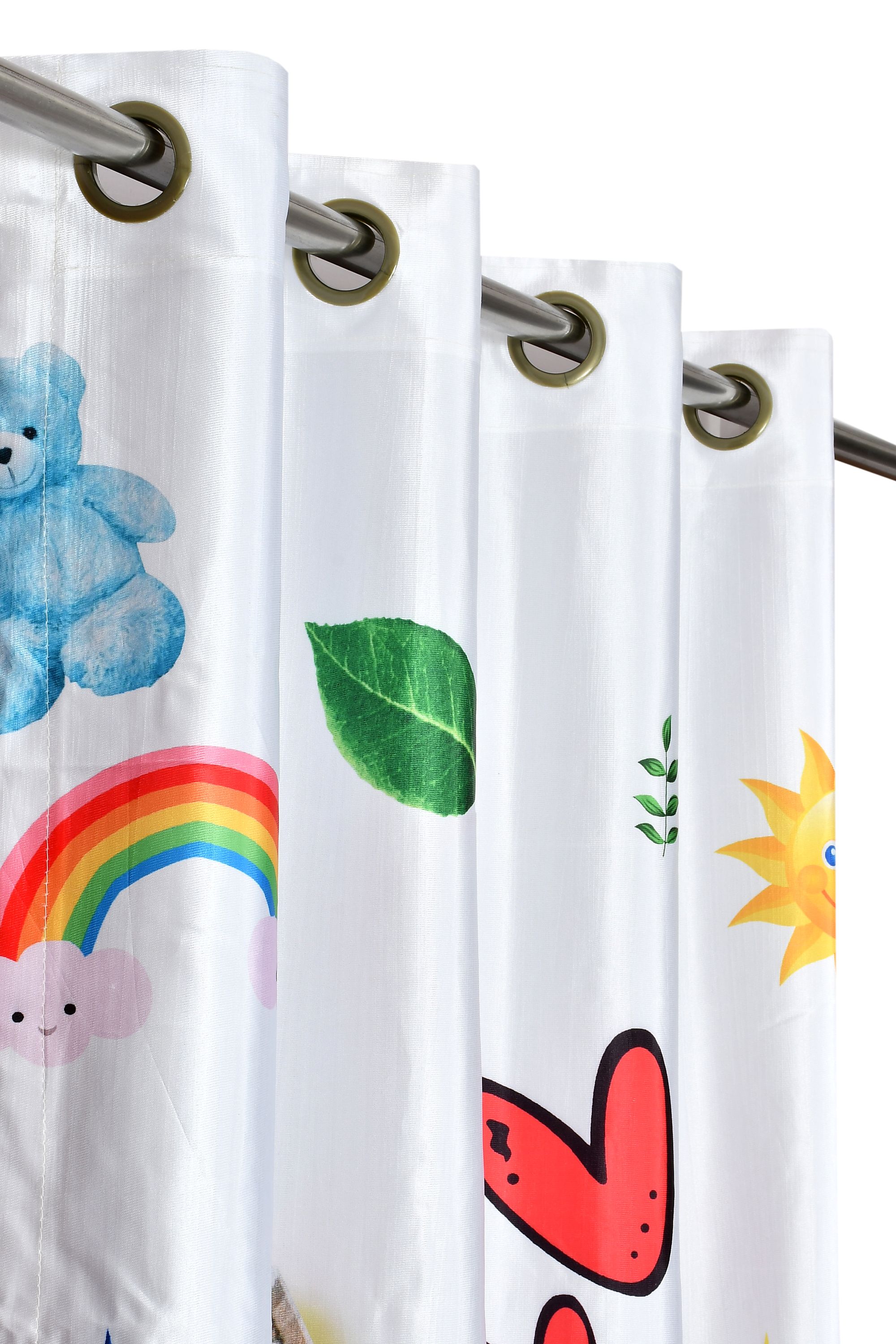
“Our production capacity of readymade curtains is 100,000 curtains per month and is available for all applications like window, door, shower, etc. All these fabrics are available in 25 different qualities all of which are in polyester and blends and GSM range is from 100 to 300 GSM. We supply these home furnishings through wholesalers all over India, who in turn sell it to retailers. We now have also started exporting to various countries. Since we started the division, we now may have more than 1,000 designs in our repository and now are also planning to introduce bedsheets to our existing curtains range,” Mr Daga shared.
Vertical Two – Salasar Textiles: Knitted Fabrics with Functional Finishes
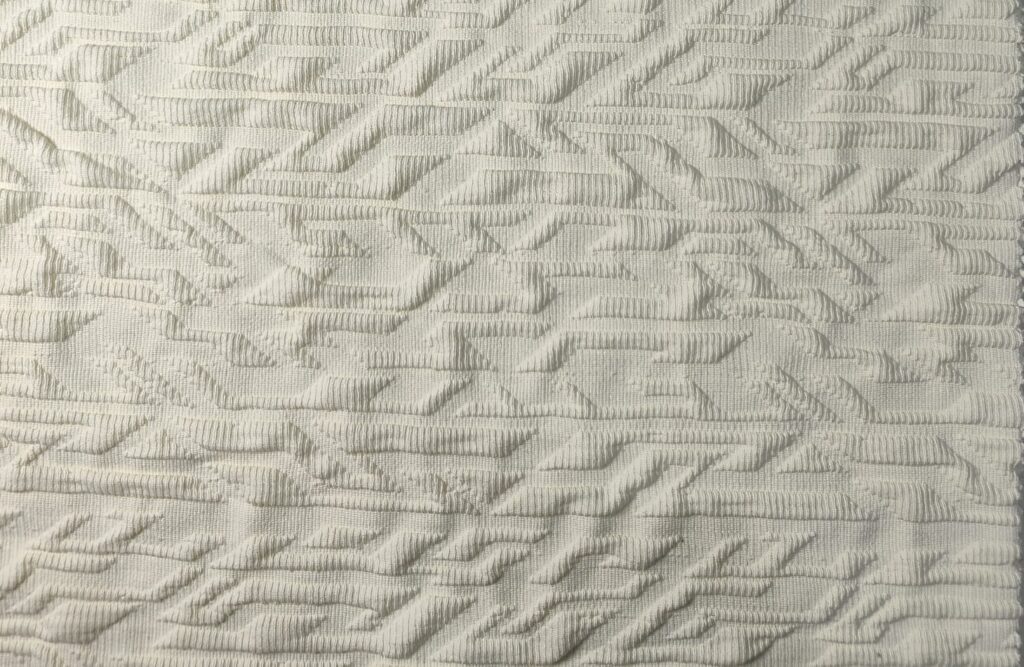
In knitted fabrics, Salasar Textiles manufactures regular knitted fabrics and also fabrics with jacquard designs for activewear fabrics, sportswear fabrics, t-shirt fabrics, bottom wear fabrics and for many more applications and currently has more than 250 designs in jacquard knitted fabrics.
Mr Daga further added, “We have more than 65 varieties and qualities in knitted fabrics and 90% of the knitted fabrics is produced on made to order basis, while stocks are kept of fast running qualities.We sell these fabrics to garment brands which primarily produce sportswear and comfort wear, but also go into blazers. We also offer functional finishes like anti-bacterial, anti-odor, wicking, anti-UV and several other functional properties. Knitted fabrics start from 100 GSM to 400 GSM. Our monthly production capacity is around 800-1,000 tons per month out of which functional fabrics account for 5-7% of overall production.”
Vertical Three – Hanuman Textiles: Ethnic and Uniform Fabric Specialists
Hanuman Textiles supplies around 45 qualities and varieties of fabrics which are woven on waterjet looms with jacquards meant for jodhpuris, sherwanis, suits, blazers, suiting and shirting and many more applications and are manufactured above 200 GSM. The suiting and shirting fabrics are also supplied as uniforms for corporates, schools, etc. Here too designs, colours and shades are launched on a regular basis.
Leveraging Digital Printing for Design Flexibility and Market Responsiveness
The Group has also leveraged the power and strength of digital fabric printing. Digital fabric printing has helped all the three companies to produce printed fabrics in smaller or required quantities on demand as against conventional printing, where the minimum run is 6,000 metres per design. Due to the small fabric runs, digital printing has also helped the company introduce new designs on a regular basis and does not have a large unsold fabric inventory as used to happen in earlier years. “One more advantage we have with our verticals is that the fabrics we produce for our suiting and shirting fabrics can also be used in the home furnishings segment,” Mr Daga explained.
Quality a Necessity to Build Customer Trust
“Each vertical has a product development and design team which observes and analyses the trends in the market and accordingly develops fabrics, designs, colours and shades. We also maintain strict quality control standards by checking every inch of fabric before it is packed. We firmly believe that providing fabrics of the highest quality is necessary to retain customer trust. We do not compete on prices but on quality. We have earned trust of our customers only because of supplying very high quality fabrics,” Mr Daga informed.
Nationwide Distribution & Sustainable Production
Altogether, all the three verticals of the Daga Group together manage more than 4,000 wholesaler’s pan-India and altogether produce around 400,000 metres of fabrics per month. All the fabrics use azo-free dyes whether those fabrics are sold in the domestic or exports markets and buy the textile dyes from only reputed suppliers. Additionally all fabrics destined for exports are export quality premium fabrics and Daga Group is planning to add compliance certifications in its fabrics in the near future.