By M.Prabhakar & Mohan Raj
If one were to drive through Pallipalayam — a buzzing textile belt in Tamil Nadu’s Erode district — one would notice a name displayed across multiple mill entrances and production facilities that dominate the region: Pallavaa. The name is more than a brand; in this region, it represents legacy, trust, and technical excellence. With eight manufacturing units concentrated in this cluster, Pallavaa Group has grown from a modest weaving operation into one of South Asia’s most influential players in the man-made fibre (MMF) space, supplying sustainable yarns and fabrics to more than 45 countries.
Known for its uncompromising focus on quality, technology adoption, and customer-centric approach, the group is today regarded as a visionary force that helped transform the region’s viscose spinning ecosystem and set global benchmarks in textiles.
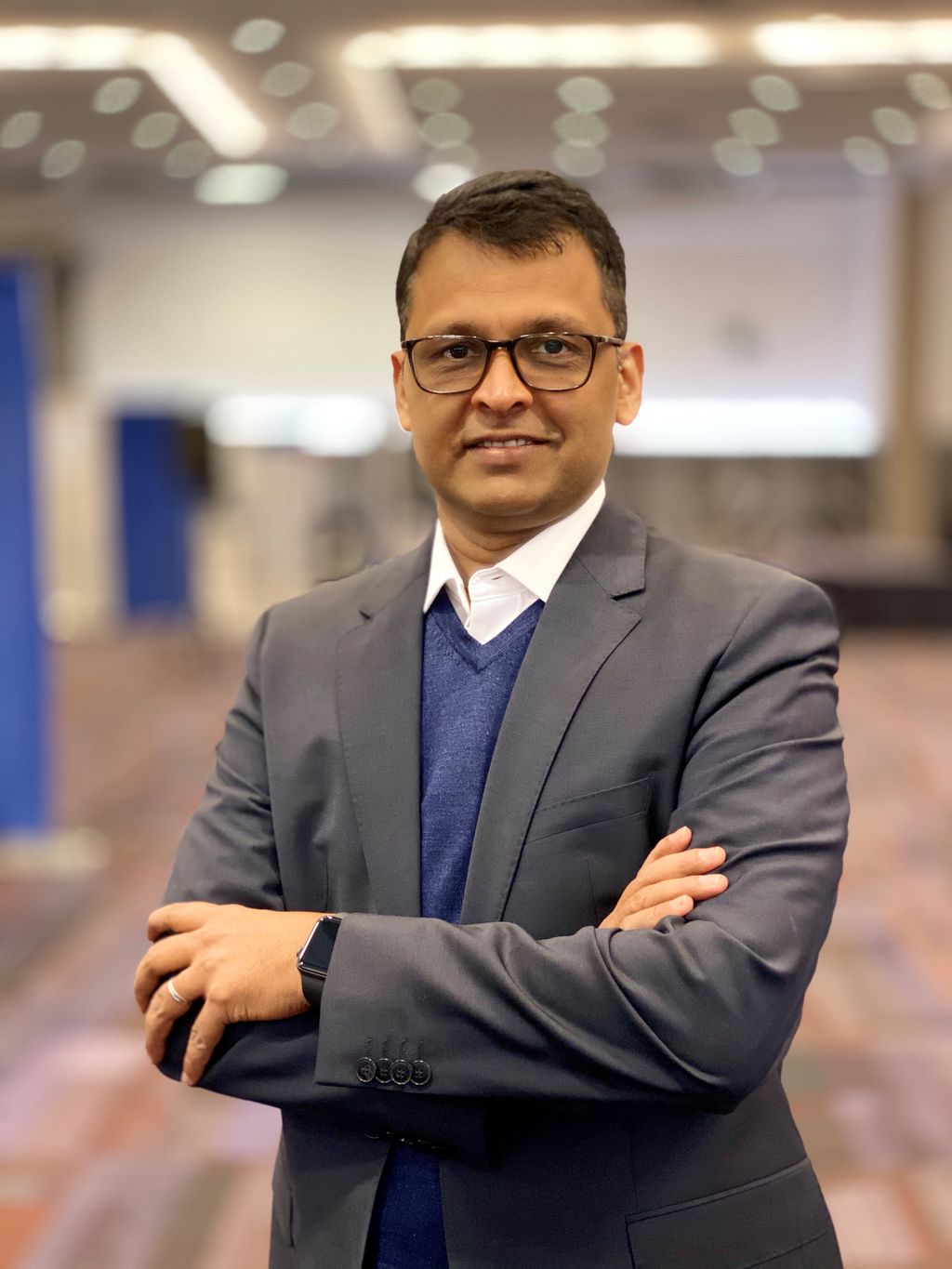
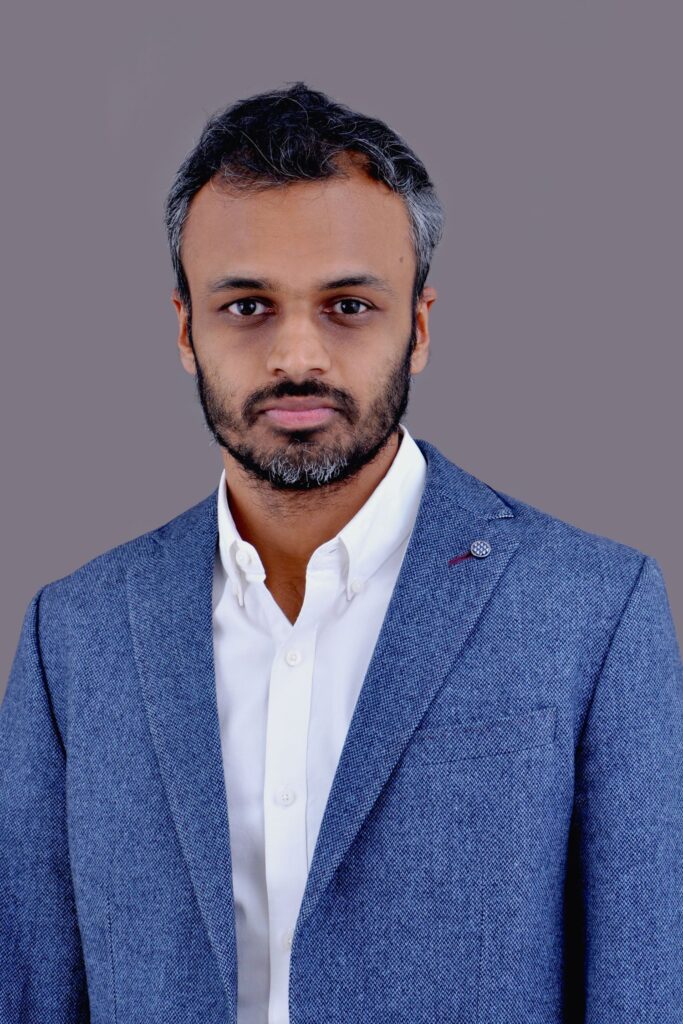
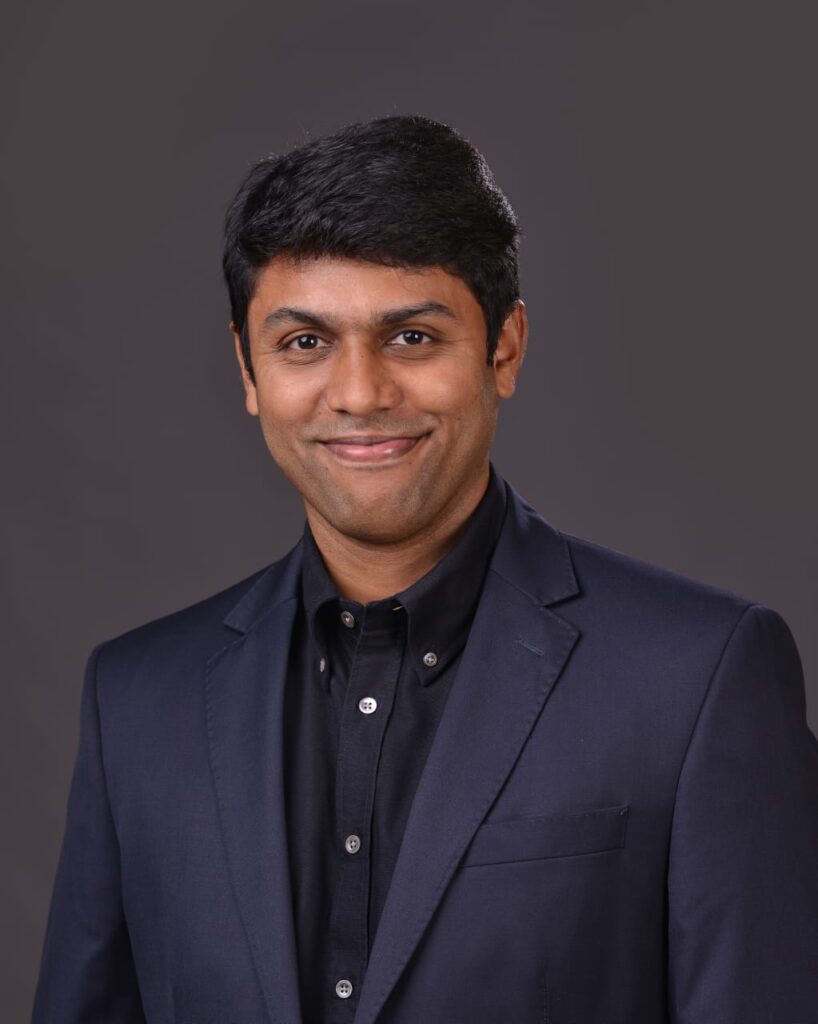
In an exclusive interaction with Durai Palanisamy, Executive Director, Muralidharan, Director – Marketing, and Naveen Kumar, Director – Operations, the trio opened up about Pallavaa’s inspiring journey, its innovation philosophy, sustainability roadmap, and the next chapter of growth.
A Journey Rooted in Passion and Purpose
Tracing the group’s evolution from its earliest days, Executive Director Durai Palanisamy began with the story he has lived since childhood.
“Our journey commenced as a modest weaving enterprise in 1977, established by my father and his brother. We were a small, close-knit team then,” he recalled. “We set up our first spinning unit in 1991. I literally grew up inside the factory — I would play among the looms. So textile is in my blood.”
After graduating in textile engineering from Coimbatore and completing a master’s degree in management in the USA, Durai Palanisamy returned home to join the family operation at a time when significant shifts were underway.
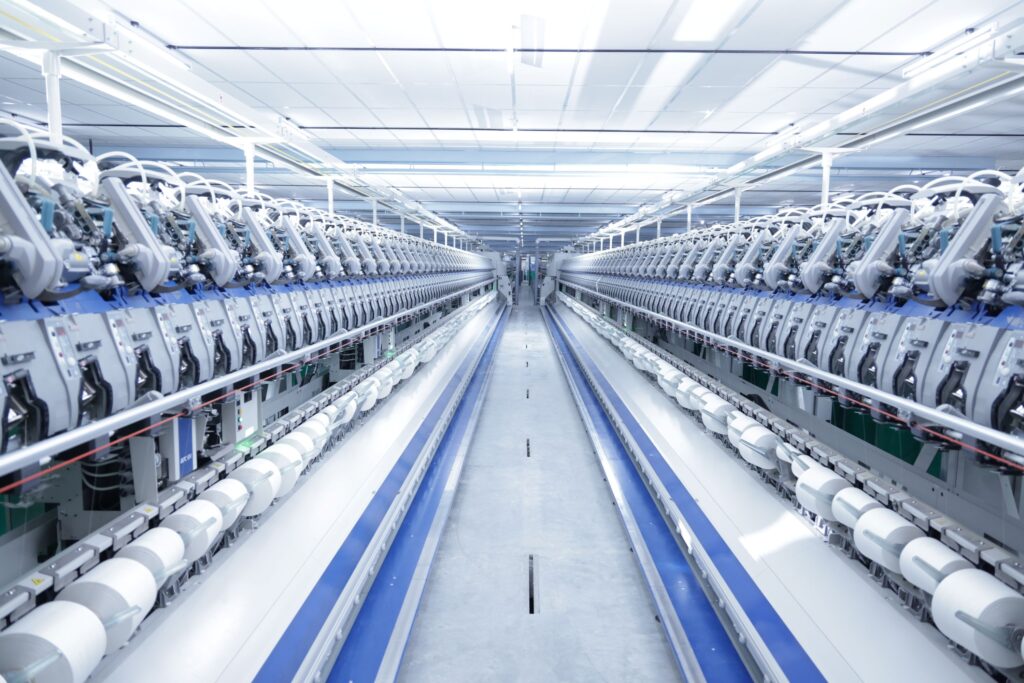
“Our business was growing, and by 2002, we went on a major modernization spree,” he said. “Earlier, it was all power looms. Gradually, we invested in airjet looms, and today we are one of the largest airjet weaving companies in Tamil Nadu with nearly 1,000 looms.”
Early Focus on MMF: A Defining Choice
Director–Marketing Muralidharan pointed out that, unlike many South Indian textile houses, Pallavaa placed its bet on viscose and other MMF products very early in its journey.
“Right from the beginning, we were focused on the MMF space,” he explained. “We were not really cotton players. Even when we wove cotton, viscose was the major product. Pallipalayam is known for viscose spinning, so our choice was a natural extension of the region’s capabilities.”
This focus on backward integration proved decisive.
“Once we started spinning, our fabric quality improved dramatically,” he said. “Till the late 1990s, exports were negligible for us. But with sustained quality improvements — and strong support from fibre manufacturers — our export contribution went northwards to nearly 80%.”
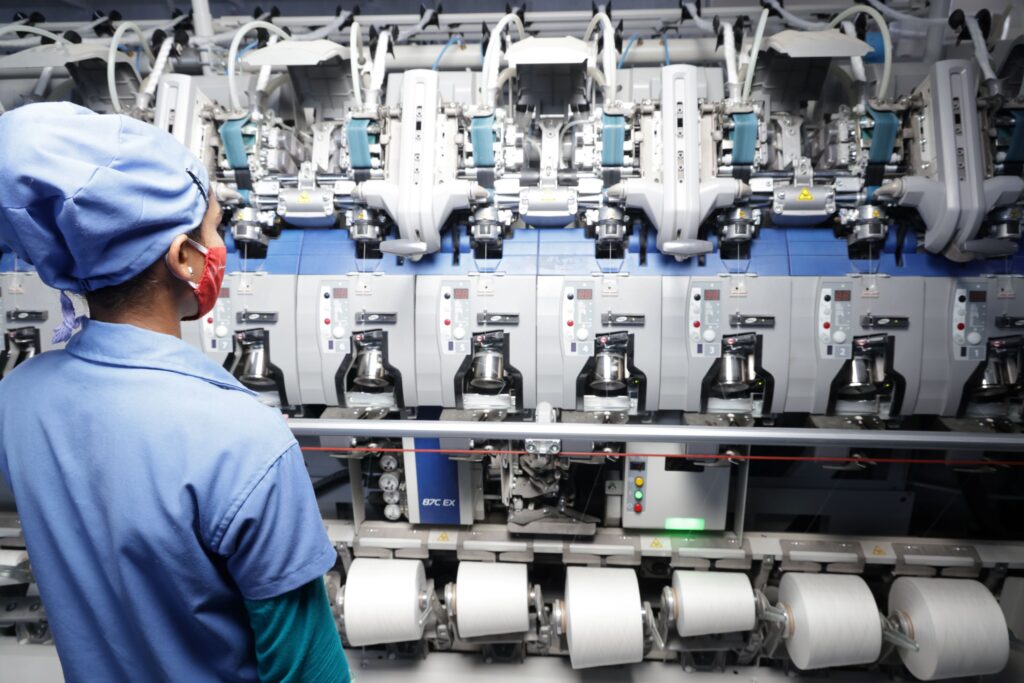
He added that Pallavaa played a pioneering role in challenging global dominance from Thailand and Indonesia during that period. Pallavaa was among the first Indian companies to break the trend. Our viscose yarns became a benchmark for global quality standards, “he added.
A Broad Portfolio Built on Innovation and Consistency
With product lines spanning yarns, knitted fabrics, and woven fabrics, the group offers a wide range of sustainable MMF and blends.
Director–Operations Naveen Kumar elaborated: “We work extensively with man-made cellulose — viscose, modal, lyocell, bamboo — and blends with cotton. We also do cotton with recycled polyester in some segments. Since we work with almost all major global brands operating out of India, consistency and quality are absolutely non-negotiable.”
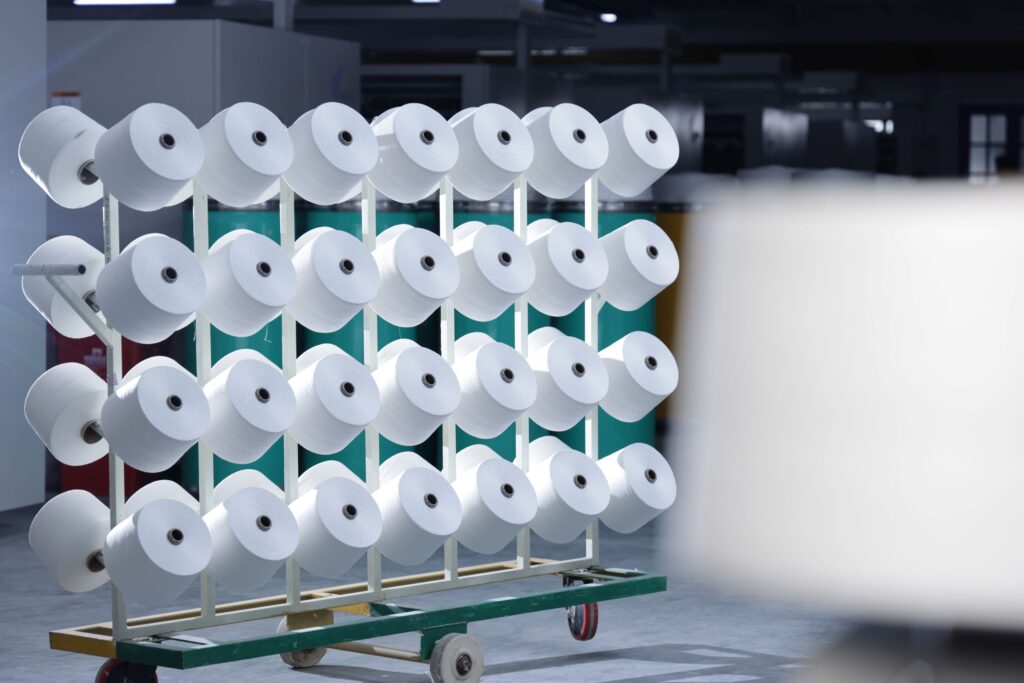
He added that Pallavaa’s deep integration into the global supply chain has shaped its technical direction over the years. “Name any major global brand in India — we are part of their supply chain. That brings enormous responsibility, and it pushes us to constantly innovate.”
Manufacturing at Scale, Anchored in Precision
The Pallavaa Group’s robust manufacturing backbone is central to its competitiveness. Spread across eight units within the Pallipalayam cluster, the facilities have been designed for scale, speed and consistency.
“Our philosophy is simple — give the best quality and offer a great customer experience. These two pillars define us,” Durai Palanisamy said.
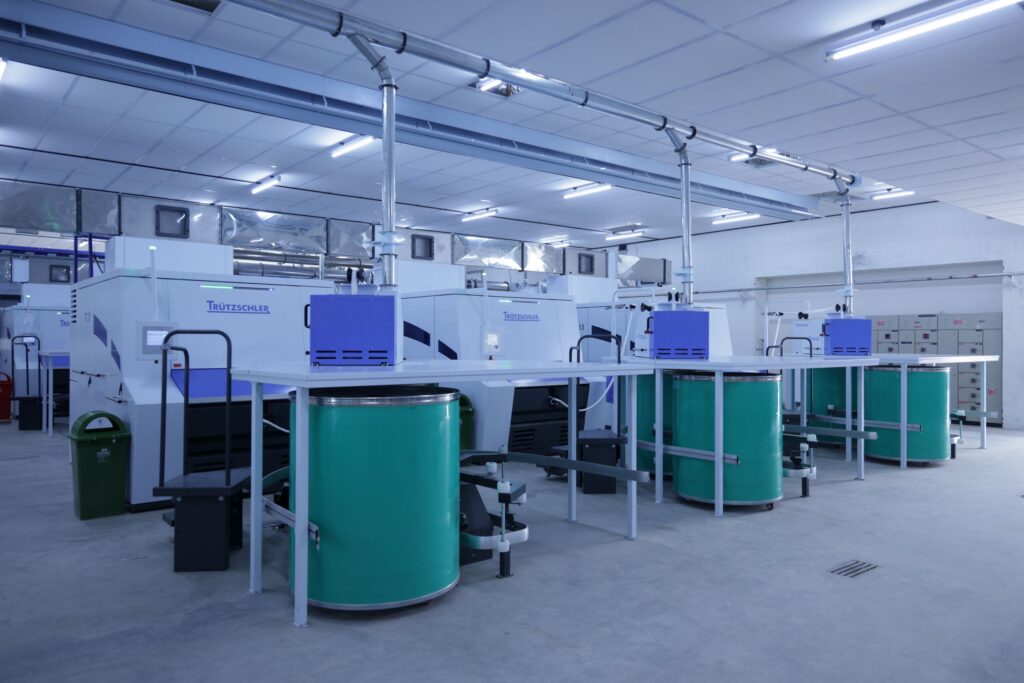
He outlined the group’s present production capacity: “We produce about 330 tons of yarn a day — split evenly between ring frame and vortex yarns. Our weaving operations produce around 600,000 meters of fabric daily, and knitting generates 20–25 tons of knitted fabric per day.”
Pallavaa is also one of the world’s largest vortex yarn producers outside China, with close to 200 vortex machines.
“Vortex technology and airjet weaving have played a huge role in our growth story,” Durai Palanisamy noted. “We modernize continuously. Our oldest machine is less than 10 years old — that shows our commitment.”
Technology First: A Culture of Experimentation
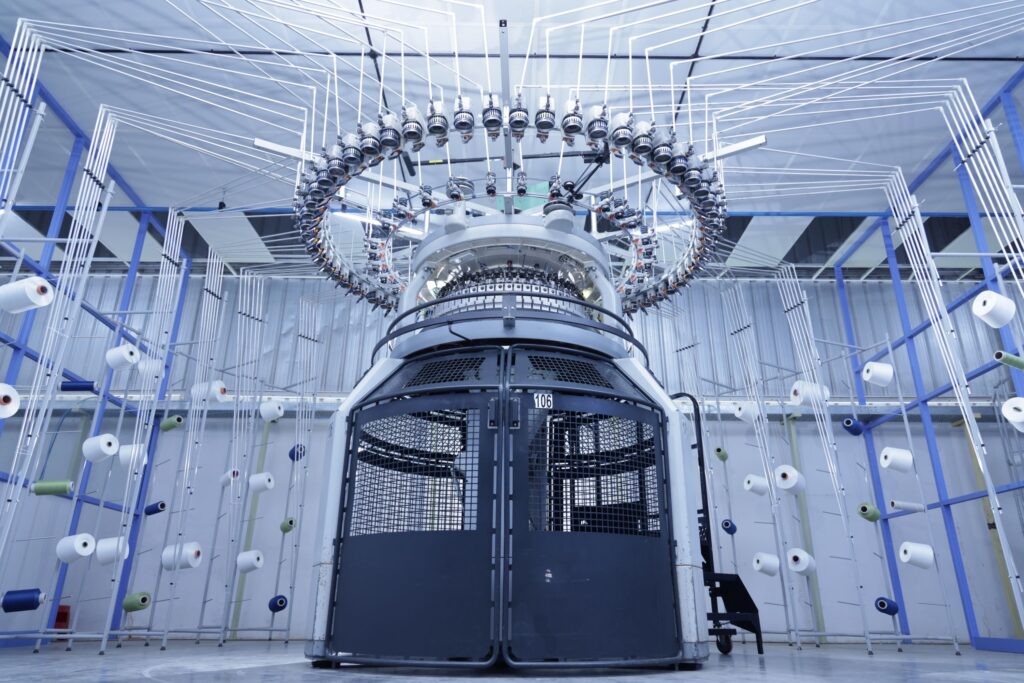
Responding to a question on technology adoption, Naveen said the group’s motivation goes far beyond competitiveness.
“We work with global brands, so operating at the highest level globally is a requirement,” he said. “And when you want to be the best, you need the best technology.”
He added that the group’s culture embraces experimentation — even at the risk of occasional failures. “We take risks, we experiment. Sometimes technologies work, sometimes they don’t. But we will never stop trying. Automation is part of this journey — auto-doffers, OHTCs, BTS systems, completely automated material handling — we invest consistently,” he pointed out.
Innovation in Yarns and Fabrics: Always Ahead of the Curve
For Pallavaa, innovation is not limited to machinery; it’s visible in the yarns and fabrics the group develops.
“Product innovation is in our DNA,” Muralidharan said emphatically. “We experiment a lot — blends, structures, finishes, you name it.”
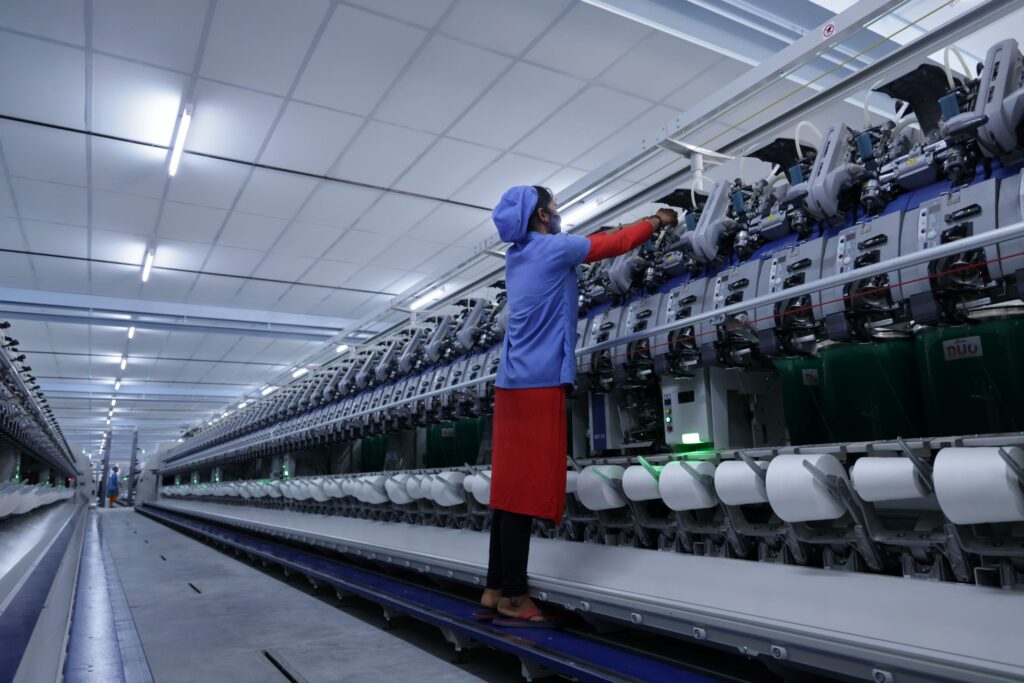
Recounting how the group identified potential in vortex spinning long before it became mainstream, he said,” Initially, viscose was ring-spun. Then open-end spinning emerged, and we tried viscose in OE. It worked in some segments, but acceptance was limited. Vortex spinning was the breakthrough. It offered better performance and wider acceptance — so we went all-in.”
Another differentiator, he added, is the group’s unique approach to customer engagement.
“When we meet customers, we don’t show just the yarn. We show the final product as a kit — how it dyes, how it finishes, how it performs. That gives them a complete picture.”
Digital Transformation for Speed and Visibility
Digitization is an area the group is rapidly strengthening. Naveen explained: “Digital transformation is very important — not just for production but for customer experience. We use digital tools to improve productivity and make faster decisions.”
He added that their approach is practical and impact-driven. “We take up low-hanging fruits first — simple technologies that give quick results. But the long-term plan is big: from order handling to delivery, we’re working on building end-to-end digital systems,” he explained.
Sustainability: A Core Commitment, Not a Buzzword
The group’s deep commitment to sustainability predates industry trends.
“Sustainability is in our DNA,” Durai Palanisamy reiterated. “Our products are biodegradable. We have one of the lowest carbon footprints in the category. We have taken science-based targets to become carbon-neutral by 2035.”
He highlighted the group’s impressive use of renewable energy stating, “We use nearly 90% green energy. And vortex spinning significantly improves sustainability metrics compared to traditional spinning methods.”
Continuous process improvement, waste reduction and energy optimization form the core of their environmental strategy.
Competitive Edge: Customer-Centricity Above Everything Else
On what truly differentiates Pallavaa in a competitive global marketplace, Muralidharan was clear: “Our customer-centric approach is our biggest strength. We solve customers’ problems. We study their challenges and figure out how we can become better partners. Quality and customer-centricity define who we are.”
Investments and Expansion: Growth as a Continuous Journey
Investing around ₹200 crore annually, expansion is an ongoing process at Pallavaa. “We modernize every year,” Naveen said. “With the modified PLI scheme, we are evaluating downstream expansion — especially in processing. Internally, we are assessing opportunities and will make an announcement soon.”
Navigating Uncertain Times with Agility
With tariffs and global uncertainties impacting the textile industry, how does Pallavaa stay resilient? “It’s all about mindset,” Durai Palanisamy replied. “You must be agile and open to change. Change is the only constant. We try new things, we take calculated risks. We hope global geopolitical conditions stabilize soon so the textile industry can bounce back.”
A Vision for the Future
Looking ahead, the group remains optimistic and growth-focused. Durai Palanisamy summed up their long-term vision with clarity:
“Through partnership, innovation and excellence in customer satisfaction, our vision is to be a reliable partner offering sustainable products to the global value chain — and to be the employer of choice for aspiring individuals in both personal and professional growth.”