By K. Gopalakrishnan
As the global textile industry navigates shifting consumer preferences, sustainability imperatives, and evolving market dynamics, companies are increasingly redefining their strategies to remain competitive and resilient. RSWM Limited, one of India’s leading integrated textile manufacturers, has embarked on a comprehensive transformation journey through its RSWM 2.0 initiative, aimed at strengthening operational efficiency, governance, innovation, and sustainability.

In an interaction with The Textile Magazine, Mr. Manoj Kumar Bansal, Chief Transformation Officer & Chief Risk Officer, RSWM Limited, shares insights into the strategic shifts underway within the organization. From building a performance-driven culture and strengthening financial discipline to accelerating sustainability initiatives and product innovation, RSWM 2.0 is laying the foundation for a more agile, future-ready enterprise aligned with global market expectations.
RSWM 2.0: Reimagining Performance and Governance
RSWM 2.0 represents a significant shift in the organization’s approach to performance management, governance, and long-term value creation. The initiative is designed not only to improve operational efficiency but also to foster a culture that encourages teams to challenge traditional approaches and drive continuous improvement.

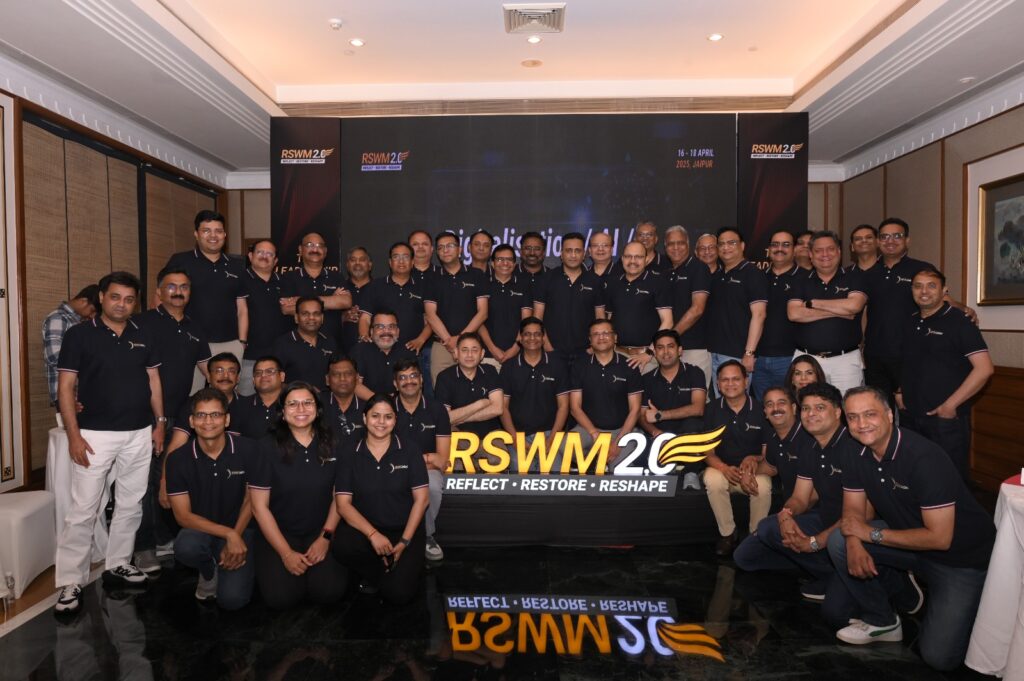
Over the past year, the company has focused on strengthening leadership engagement and enabling faster decision-making across the organization. By enhancing leadership connectivity and establishing stronger internal alignment, RSWM has been able to build a sense of urgency and accountability among teams.
A robust review mechanism has been introduced to ensure greater transparency and performance visibility. Supported by real-time productivity and performance tracking systems, this framework allows management to monitor progress closely and respond quickly to emerging challenges or opportunities.
At the same time, the organization has invested in cultivating a growth-oriented culture built around clearly defined values and competencies. These emphasize ownership, agility, and performance-driven thinking, encouraging employees across functions to contribute actively to the company’s transformation journey.
Strengthening Financial Discipline and Operational Efficiency
An important pillar of RSWM 2.0 has been the introduction of stronger financial discipline and more strategic capital allocation.
The company has undertaken a comprehensive review of both past and ongoing investments, linking them closely to measurable outcomes in terms of returns and efficiency. This process has included detailed techno-economic evaluations, ensuring that capital expenditure decisions are aligned with productivity improvements and clear payback timelines.
Technology upgrades and machine modernisation are being pursued selectively based on these assessments, ensuring that investments deliver tangible operational benefits.
Alongside these measures, RSWM has intensified its focus on cost optimisation and margin improvement. The results of these initiatives are already visible, with the company recording consistent EBITDA improvements of 3–4 percent over the past three quarters.
In parallel, the organisation has strengthened its monitoring of cash flows while also exploring the realisation of non-productive assets. These steps are aimed at enhancing liquidity, improving financial efficiency, and supporting sustainable long-term growth.
Embedding Sustainability at the Core of Operations
Sustainability has emerged as a central pillar of RSWM’s transformation strategy under the RSWM 2.0 framework.
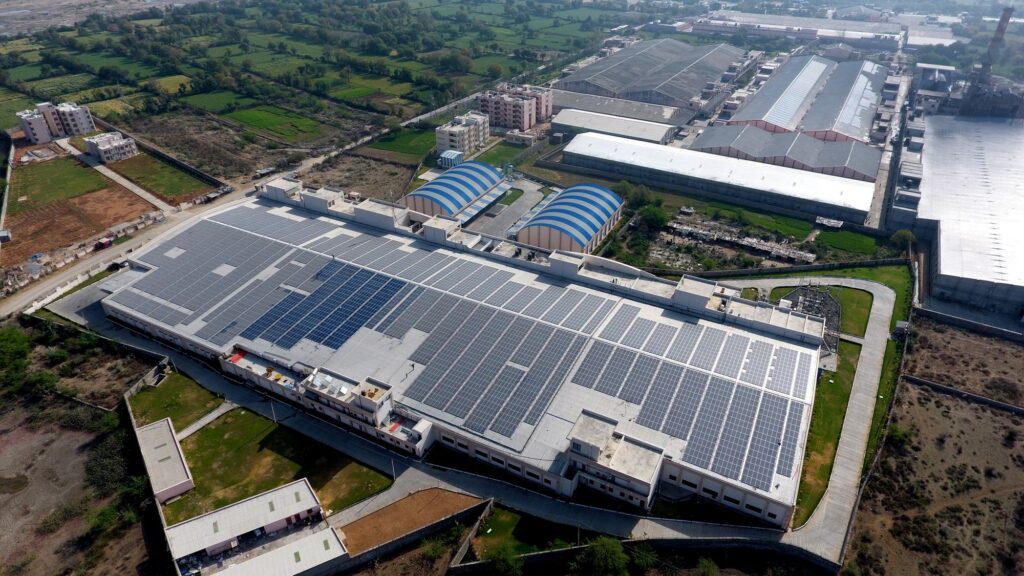
The company has integrated environmental responsibility into both its operational processes and long-term strategic planning. One of the most notable achievements has been the steady increase in renewable energy adoption. RSWM is progressing toward 70 percent renewable energy usage, significantly higher than the industry average of around 31 percent.
In addition, the company is on track to achieve 100 percent biofuel usage by the end of 2026, marking a major step toward decarbonising its manufacturing operations.
RSWM is also making significant strides in circular economy initiatives. The company currently recycles approximately 6.5 million PET bottles every day, transforming waste into valuable raw materials for textile production.
Further strengthening this circular approach, RSWM is establishing a Bottle-to-Bottle recycling plant in Madhya Pradesh, which will enhance the company’s recycling capabilities and support sustainable fibre production.
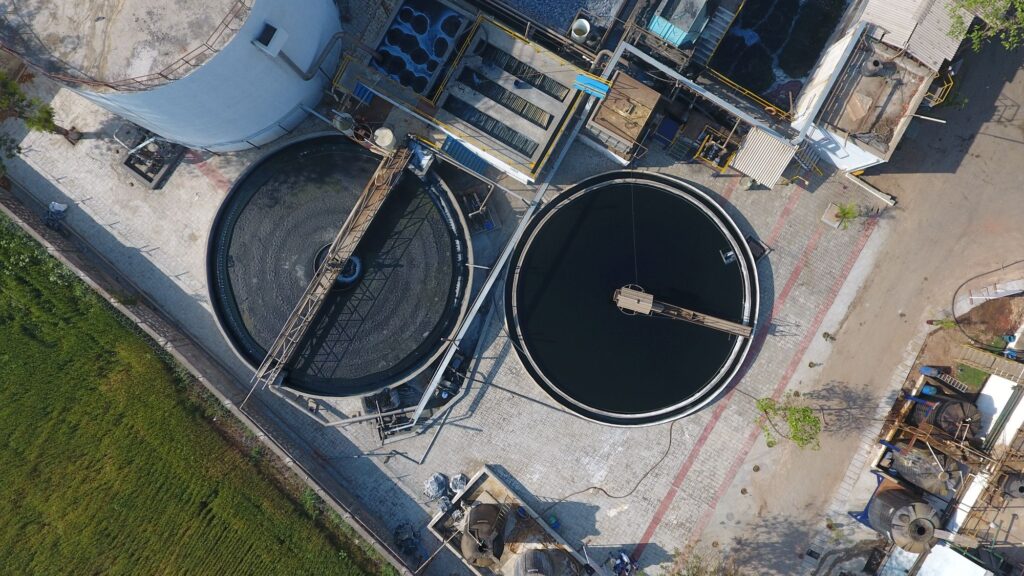
Water management is another key focus area. Across its manufacturing operations, RSWM maintains 100 percent Zero Liquid Discharge (ZLD), ensuring that wastewater is fully treated and reused without any discharge into the environment.
These initiatives, combined with ongoing debottlenecking efforts to improve capacity utilisation, demonstrate the company’s commitment to measurable decarbonisation and responsible manufacturing.
Responding to Changing Market Dynamics
The global textile industry is undergoing significant transformation as consumer preferences evolve and sustainability becomes a central consideration for brands and buyers.
According to Mr. Bansal, there is a growing shift toward recycled materials, sustainability-driven value propositions, and fast fashion models that require rapid product development and market responsiveness.
For companies like RSWM, this shift presents substantial opportunities. The demand for recycled fibres, sustainable materials, and innovative product offerings is creating new avenues for growth.
To capitalise on these opportunities, RSWM is strengthening its New Product Development (NPD) capabilities, enabling the company to respond quickly to emerging trends and global fibre preferences.
At the same time, the global environment remains uncertain due to tariff-related issues, geopolitical tensions, and demand fluctuations in key export markets. To mitigate these risks, RSWM is actively exploring new geographical markets, reducing dependence on specific regions and enhancing overall resilience.
The company also continues to invest in advanced market research and global preference tracking, enabling it to identify emerging trends early and maintain a competitive advantage.
Aligning Growth with Sustainability and Market Needs
RSWM’s growth strategy is closely aligned with its commitment to sustainability and long-term value creation.
The company is pursuing forward integration initiatives, including the expansion of printing capabilities in knits and shirting applications in denim. These moves are intended to strengthen RSWM’s ability to deliver value-added solutions while aligning with evolving customer requirements.
Sustainability considerations remain embedded across the entire value chain—from renewable energy adoption and biofuel usage to PET bottle recycling and responsible water management.
At the same time, RSWM is expanding its portfolio of sustainable and environmentally responsible textile products, reflecting the growing expectations of global fashion brands and sourcing partners.
Through this integrated approach, the company aims to balance operational efficiency, environmental stewardship, and market responsiveness.
The Road Ahead: Sustaining Momentum Under RSWM 2.0
As RSWM moves into the next phase of its transformation journey, the company is expected to deepen its focus on operational excellence, sustainability integration, and market diversification.
Strengthening governance-driven decision-making will remain central to this strategy, supported by faster execution cycles, real-time productivity tracking, and disciplined evaluation of new investments.
Innovation and New Product Development will also play a crucial role as global demand increasingly shifts toward value-added, recycled, and sustainable textile solutions.
On the sustainability front, the continued expansion of renewable energy usage, the scaling of biofuel adoption, and the development of recycling infrastructure—such as the upcoming Bottle-to-Bottle plant—will further strengthen RSWM’s competitive positioning.
Simultaneously, expanding into new markets will help mitigate tariff-related risks and enhance the company’s global reach.
The RSWM 2.0 initiative marks a defining phase in the evolution of RSWM Limited, transforming the organization into a more agile, performance-driven, and sustainability-focused enterprise.
By strengthening governance frameworks, enhancing financial discipline, accelerating sustainability initiatives, and investing in innovation, the company is building a resilient foundation for long-term growth.
As global textile markets continue to evolve, RSWM’s integrated approach—combining operational excellence, responsible manufacturing, and market responsiveness—positions the company to remain competitive while contributing meaningfully to the future of sustainable textile production.