Founding Herbal Fab on the Philosophy of Safe and Natural Fabrics
Ahmedabad based Herbal Fab, started manufacturing sustainable fabrics in 2008 by dyeing handspun organic cotton fabrics with herbs or natural dyes to supply safe alternative fabrics. But challenges in dyeing and colour limitations as well as colour fastness, the company switched to GOTS certified dyes. Over the last 17 years, Herbal Fab kept on adding other sustainable fibres to its fabric portfolio like cellulose fibres, linen, hemp and their blends and now supplies hundreds of varieties of fabrics in various fibres, blends, weaves and knits as well as GSM.
Early Experiments with Natural Dyes and Market Unawareness
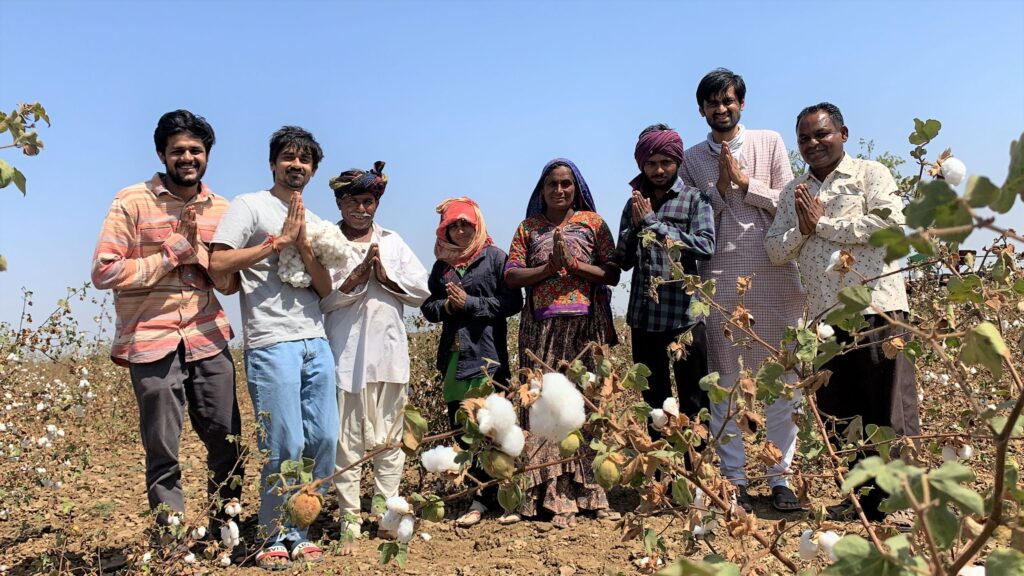
“Our family is in the business of cotton textiles since 40 years and all our family members are treated with Ayurveda medicines instead of allopathic medicines since nearly 20 years and have also switched to consuming organic foods. We founded Herbal Fab in 2008 on the premise that dyes contain harmful chemicals and we wanted to supply safe alternative fabrics. We started with handspun fabrics and only used natural dyes. At that time, our buyers were not even aware of organic cotton fibres or fabrics dyed with natural dyes,” Mr Kunal Balar, Co-founder at Herbal Fab told The Textile Magazine.
Building a Fully GOTS-Compliant Supply Chain
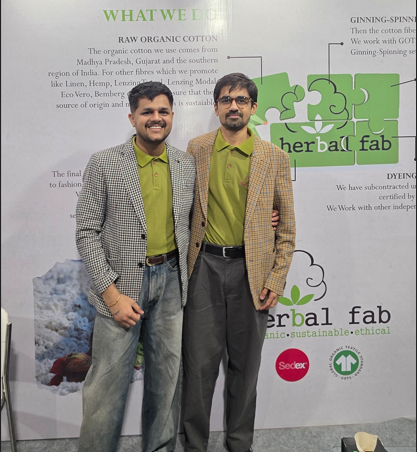
“But there are limitations with natural dyes like colour fastness, where even perspiration can make the colour run. In 2013, we were on the verge of closing Herbal Fab, but we still had a small ray of hope and so we switched to GOTS certified dyes. At that time, these compliance certifications were in their infancy and knowledge was minimal. We even filled up the compliance forms of the mills from where we got our fabrics dyed. We tied up with mills which had the same thought process as ours and set up a supply chain which included spinners, weavers, yarn or fabric dyers and printers all of whom had GOTS certification,” he added.
Supporting MSME Brands with Low Minimum Order Quantities
In the initial years, a majority of clothing brands who came to Herbal Fab had requirements of just 200-300 metres and so the company followed the conventional system of stocking fabrics with around 200 varieties of dyed or printed in knitted or woven fabrics as it was not practical to have a print run of 200 metres. “The MSME’s are the pillars of the textile industry and we decided to support these small brands in whatever quantity they wanted, although we were taking big risks by stocking a large quantity of fabrics. We also supply Ready for Dyeing (RFD) fabrics which is chosen by small buyers who get them hand dyed, hand printed or digitally printed,” Mr Balar stated.
Entry into Apparel Manufacturing
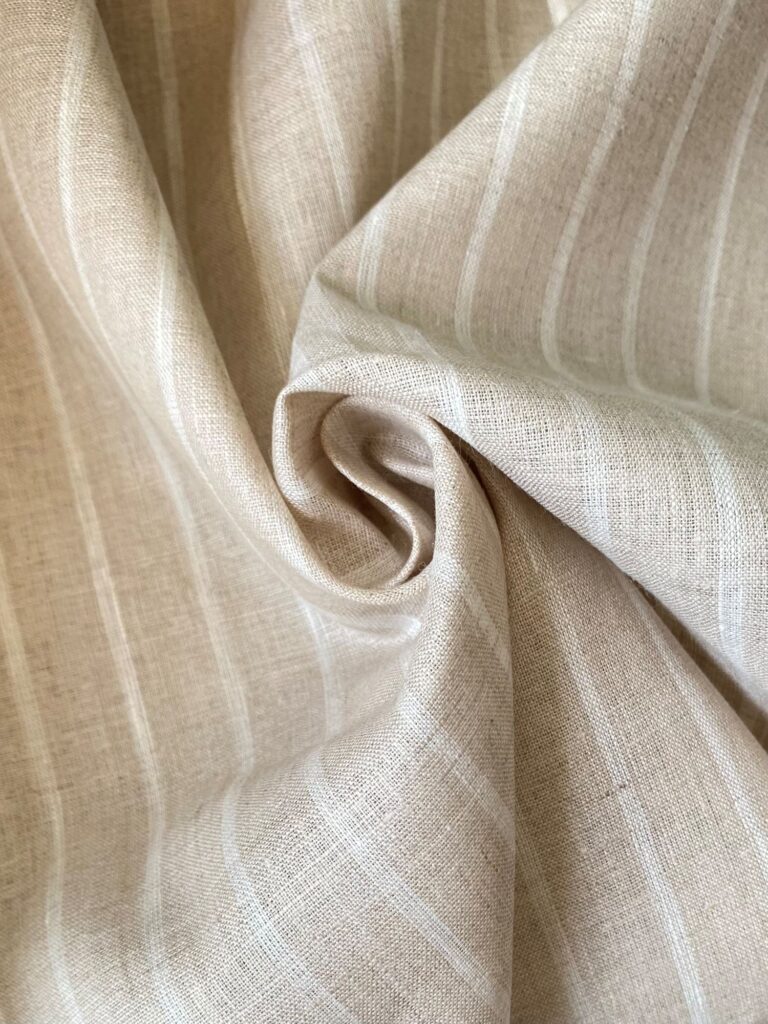
Back in 2017, the fabric buyers or brands which used to get their garments stitched on a job work basis encouraged Herbal Fab to get into apparel stitching and so they started a garment unit with 20 stitching machines and now have 60 machines. “We are proud that although our set up is small, but we are very conscious of supplying quality products. Here too we are supporting smaller brands with orders as less as 200 pieces,” he informed.
Transparency, Ethic & Long-Term Brand Relationships
Mr Balar further said, “The advantage we offer is that we are very transparent and honest in our dealings. We have built our company on ethics. Brands which work with us, are also working with garment factories which have sewing machines in the hundreds or thousands, although we may have the smallest garment factory in their supply chain. According to those brands, they notice a different vibe when they visit our factory, which is the reason they continue to be associated with us since several years.”
Supply Chain Constraints and Yarn Sourcing Challenges
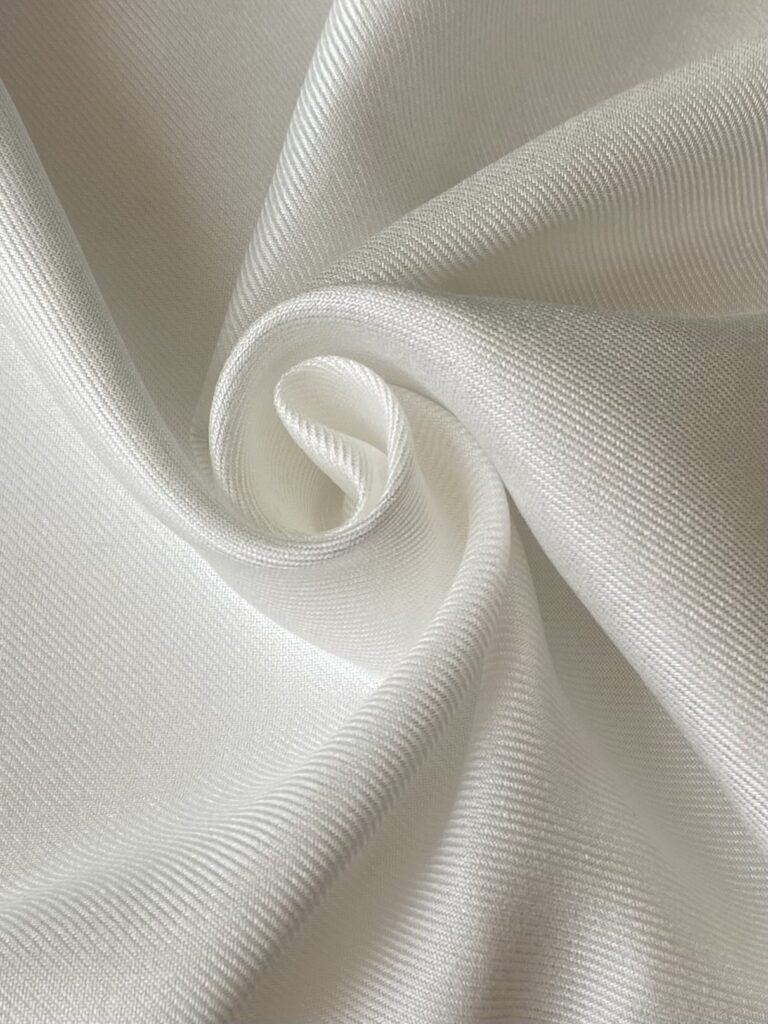
The company faces several challenges in its supply chain where spinning mills support customers who provide the minimum order quantity (MoQ) and not someone like Herbal Fab who may order only one ton of organic cotton yarn, since these mills produce only on minimum firm orders of three tons and above. This has led to increase in lead times and so Herbal Fab also has to stock organic cotton yarn of fast moving counts. Sometimes the company has not been able to take order for fabrics or garments which have short deadlines.
Transition Away from Conventional Textiles
“Over the years, the business of Herbal Fab grew and that of the conventional textiles continued to decrease and in 2024, we completely stopped the business of conventional textiles. Our future plans include increasing the stitching capacity to support more brands and want to take it to 200 machines by 2027,” he observed.