ICRA ESG Ratings’ latest report, ‘Sustainability Unstitched-Indian textile industry’s green gauge,’ highlights how India’s textile sector is navigating sustainability transition through resource efficient practices amid ESG alignment pressures both globally and domestically.
The textile sector is characterised by high resource intensity, particularly in yarn, fabric and integrated segments. Covering leading textile companies among India’s top listed companies by market capitalisation, ICRA ESG Research evaluates 19[1] players across three segments—Apparel, Yarn & Fabric, and Integrated—tracking progress on the sectors’ core ESG issues namely water stewardship, waste circularity and renewable energy adoption alongside energy and emissions performance over FY2023–FY2025.
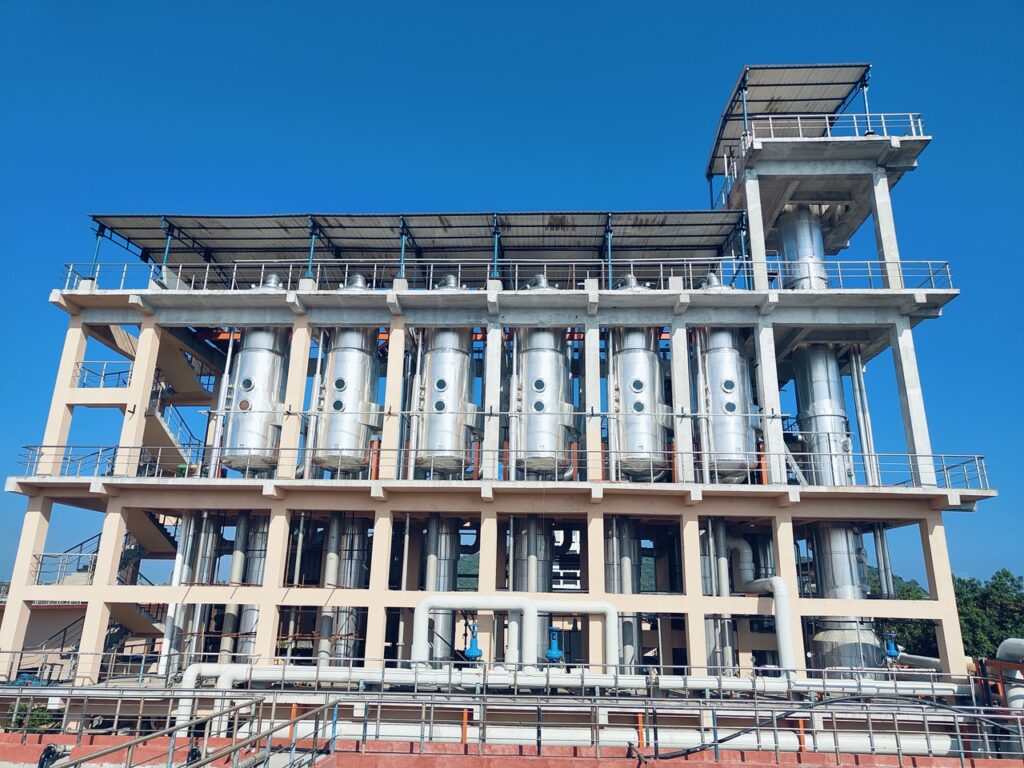
ICRA ESG Research’s analysis shows that 74% of the sample companies adopted Zero Liquid Discharge processes in FY2025 led by the integrated segment. This reflects focus on sustainable water practices in the backdrop of growing water withdrawal volumes. Waste generation intensity has continued to be high, rising by ~19% in FY2025, in ICRA ESG Research’s view, part of this increase can be explained by improved disclosure practices. Nevertheless, both water and waste usage trends point towards the need for strengthening circularity in resource use. In this regard, increasing waste recycling rates in the industry, up from 77% in FY2023 to 80% in FY2025, is an encouraging trend.
Maturing governance systems across the textile sector companies is another positive development. Integrated segments lead this progress with 57% having ESG committees and 71% having set targets for emission reduction, while the apparel segment and yarn and fabric segments are making gradual progress towards formal ESG governance frameworks. This growing focus on structured governance will enable the industry to align with global best practices and strengthen climate accountability.
However, challenges persist. Energy intensity remains high in the industry, particularly in the yarn and fabric segment. Although renewable energy adoption is steadily increasing, it remains at modest levels in terms of energy mix at 8% in FY2025, underscores the need for accelerated decarbonisation measures. This trend is driven largely by solar installations and biomass-based solutions aimed at offsetting thermal energy use in dyeing and finishing operations. Scope 3 emission disclosures are also limited (only 21% companies report), indicating nascent stage of value chain inclusion measures.
As global frameworks like the European Green Deal and CBAM sharpen focus on carbon-heavy industries, Indian textiles must accelerate decarbonisation and circularity to maintain competitiveness. This needs a structured sustainability governance approach. The integrated sector is leading the way with 57% companies having dedicated ESG committees and 71% setting decarbonisation targets. Providing more insights, Ms. Sheetal Sharad, Chief Ratings Officer, ICRA ESG Ratings Limited, said, “The textile sector’s sustainability transition is underway, but the pace must quicken. While some practices were adopted traditionally through
[1] Sample based on top Indian textile companies by market capitalization with available ESG disclosures since FY2023.