By Arun Rao
Surat based Swastik Value Addition is among a very few fabric printing mills in India, which has installed digital printing machines, flatbed screen printing machines and also smog foil printing machines and the combined printing capacity of Swastik Value Addition is currently around 120,000 metres per day.
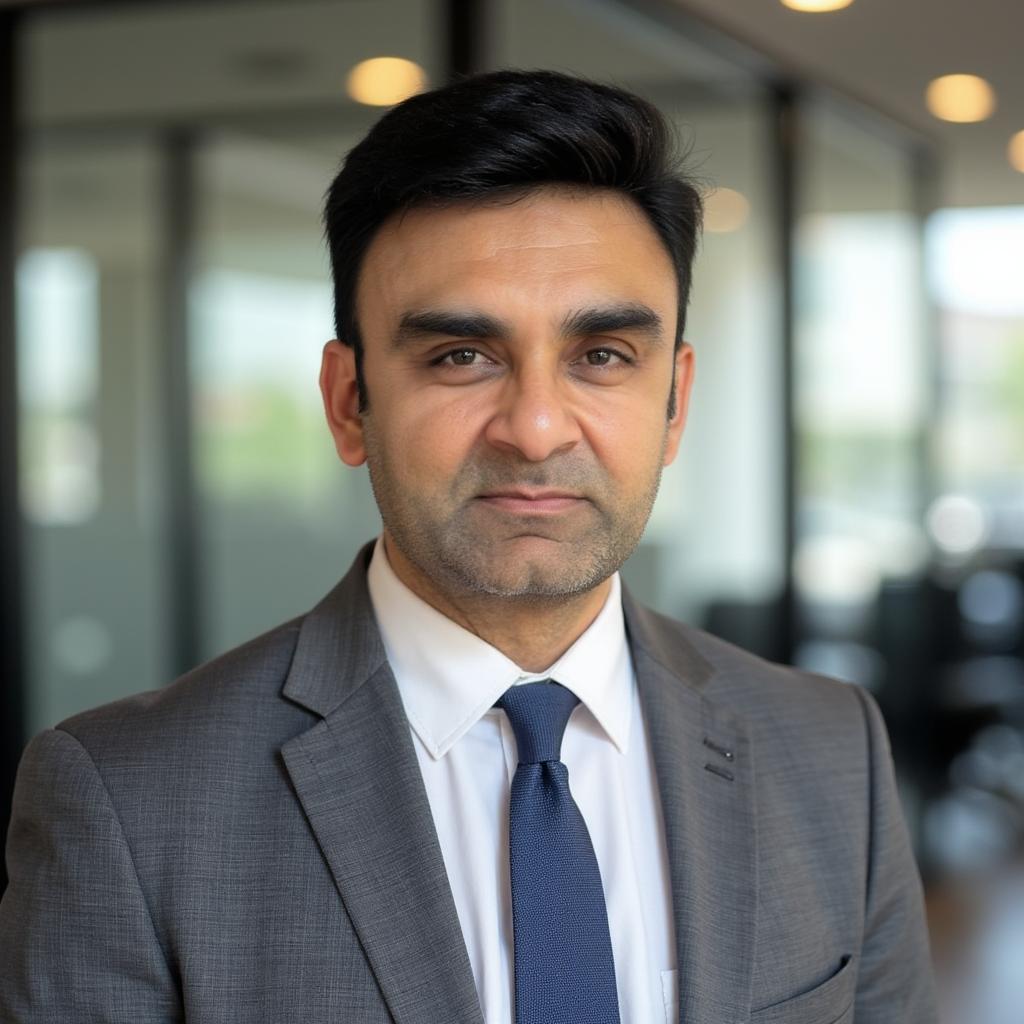
From Textile Dyes to Digital Fabric Printing: The Journey of Mr. Shalin Vidya
Mr Shalin Vidya, the founder of Swastik Value Addition started dabbling in business when pursuing his MBA in 2000 and began by trading in textile dyes and chemicals till 2008. “During this period, I developed very good contacts and relationships with the Surat textile industry. However, I had a dream that I should have my own manufacturing unit,” he said while speaking with The Textile Magazine.
He began his printing unit in rented premises by purchasing one smog foil printing machine also known as a foil transfer print machine, which is used to apply a metallic or decorative foil to fabric or other materials using heat and pressure. “We began with doing job work of applying foil on fabrics. There was a big boom in this segment so within a period of six months; we added six more smog foil printing machines and our production has now reached around 15,000 metres per day,” he added.
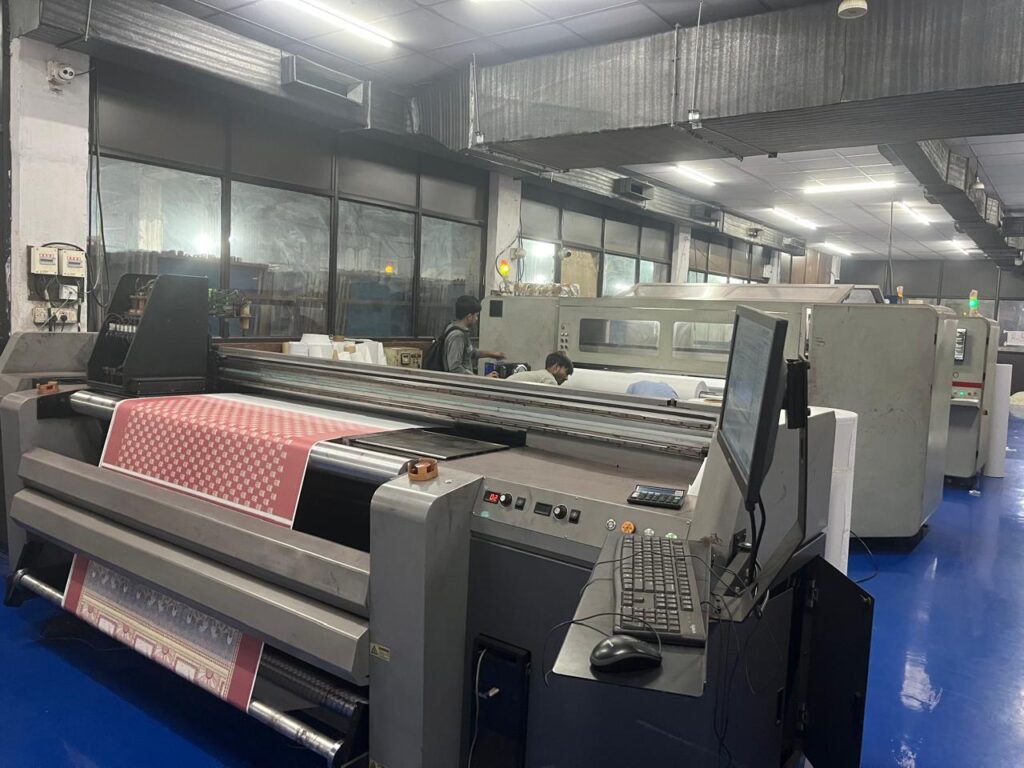
Pioneering the Digital Shift: Swastik’s Early Adoption of Advanced Printing Technology
Towards the end of 2010, he purchased their first digital printing machine model JP7 from MS Italy, which had a printing capacity of 2,000 metres per day at a time when there were just 15-20 digital printing machines in Surat. This printer was installed in their very own factory premise which was bought a few months earlier. The digital printing activity was started under the name of Rudra Digital Solutions.
“We also installed all the pre and post treatment related equipment needed for the digital printing machine. In 2014, we bought three more digital printing machines. As per our understanding, we may have been the biggest manufacturers of digital fabric printing at that time. Currently we have seven digital printing machines with a capacity of 40,000 metres per day. Within these digital printing machines, we bought an Atexco hybrid digital printing machine which has several other features like brasso and foil printing, due to this we could add glitter to the fabrics like gold, silver and brass. We were the second company in India to install this machine,” Mr Vaidya shared.
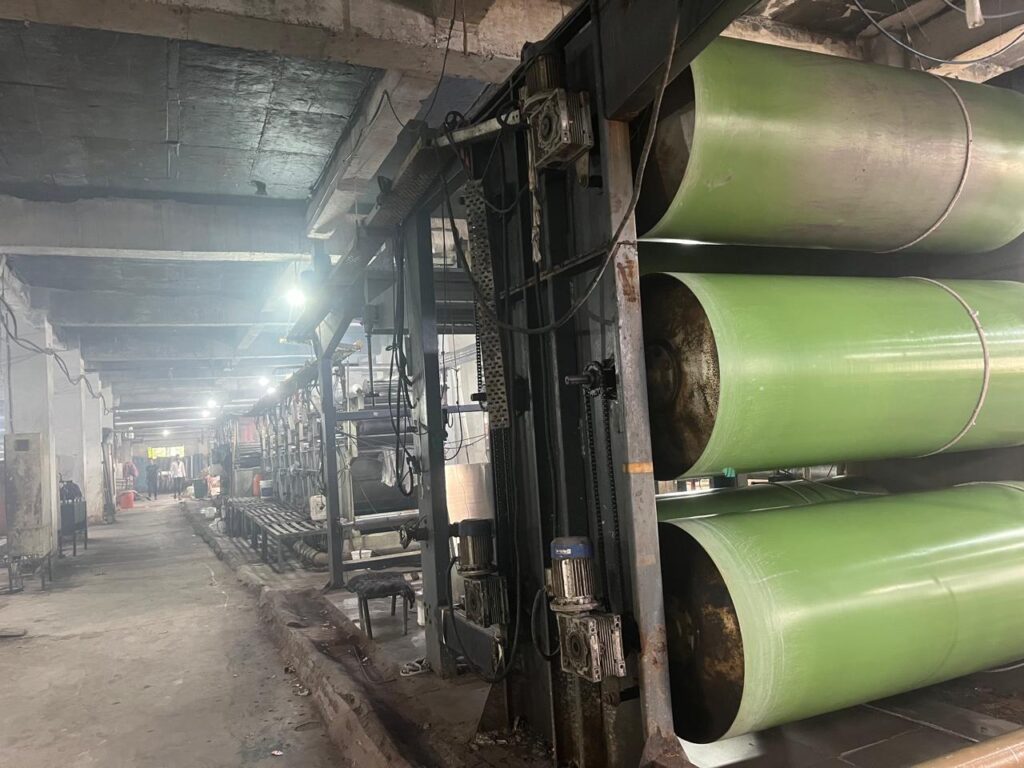
The company has a versatile range of digital printing machines with a capability to print all types of fabrics like cotton, polyester, nylon, etc. Mr Vaidya claims to be among a very few digital fabric printers in Surat to have all the pre and post treatment equipment installed in their factory. The company has managed to double its digital fabric printing capacity within a short period of three years that too post the Covid-19 pandemic.
When Mr Vaidya entered the digital fabric printing segment, the cost of printing was around Rs 125-150 per metre, which has dived to just Rs 75-80 per metre. And when he installed these printers, there were just 15-20 machines in Surat, which have skyrocketed to more than 200,000 digital and sublimation fabric printers now. “At one time, around four crore metres of fabric was printed on conventional printing machines daily. Out of this, two crore metres has now shifted to digital printing,” he stated.
“We now have also added conventional flatbed screen printing machines in recent years and now have seven machines with a capacity of 65,000 metres per day so currently our overall printing capacity is around 120,000 metres per day,” Mr Vaidya observed.
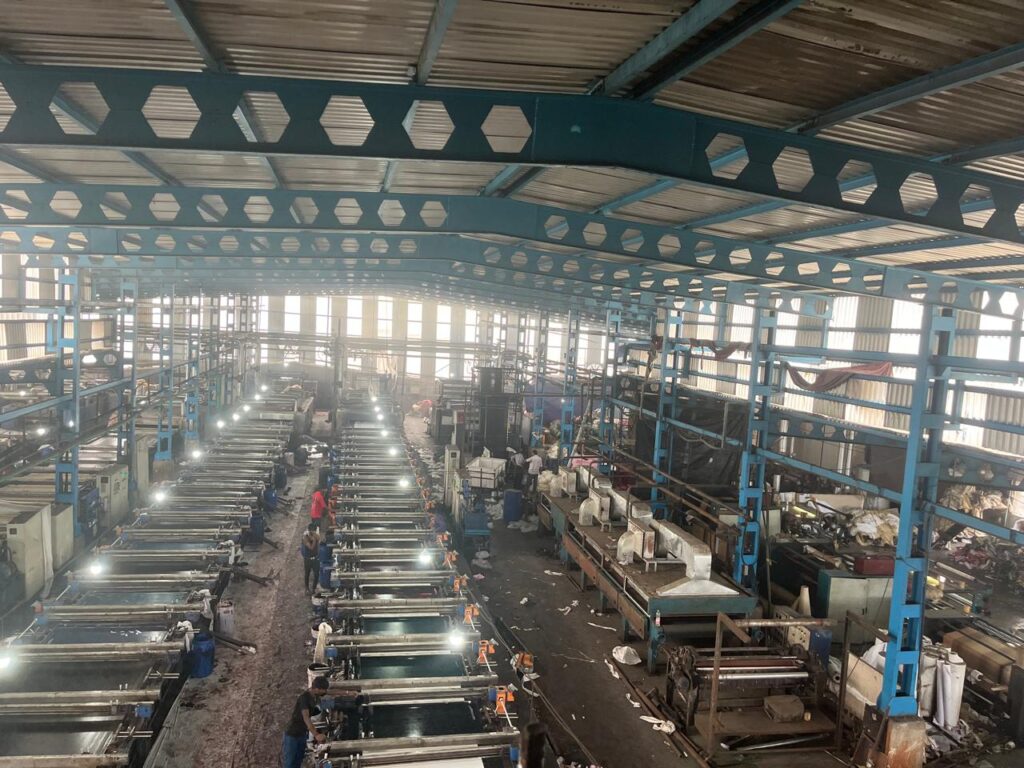
Swastik’s Competitive Edge in Garment Manufacturing
The company has also started a garment stitching unit with 100 sewing machines which has a capacity of 50,000 pieces per month. They mainly stitch womenswear both Indian and westernwear. Garments are stitched for various brands owned by Myntra, House of Pataudi, All About You, Wishful and other brands.
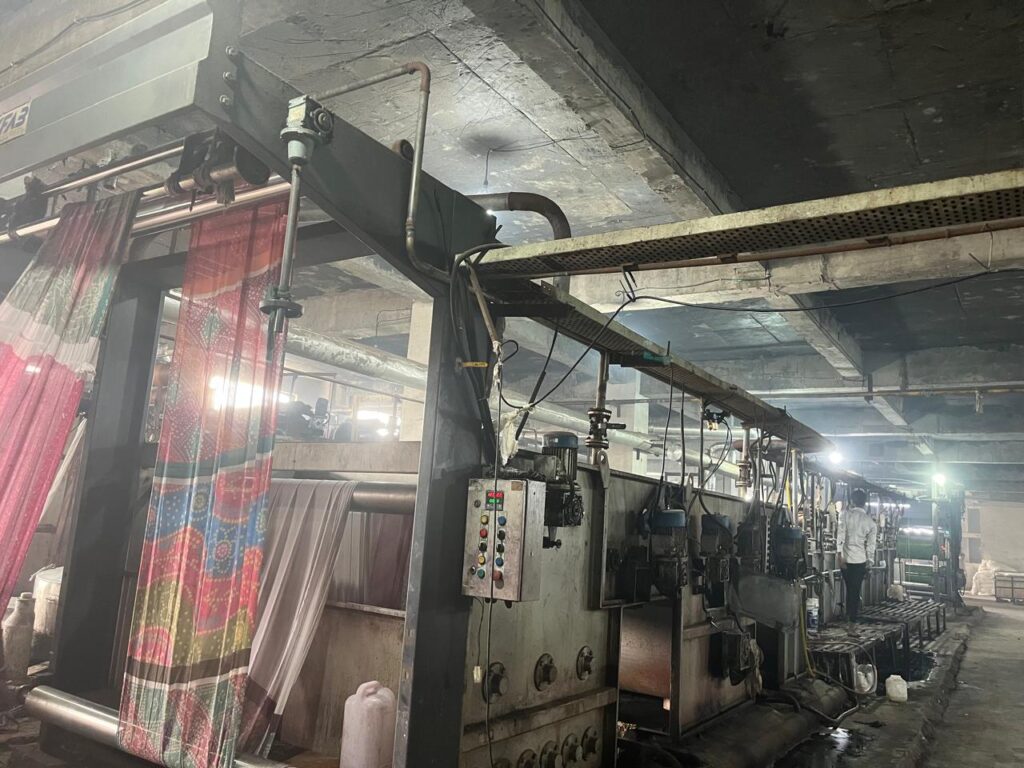
Mr Vaidya further said, “The biggest advantage we offer these garment brands is the speed of delivery. Since we also have fabric printing capabilities, we supply garments in half the time when compared with other suppliers in peak season. Those other units would need to get the fabrics printed elsewhere and these printers would print those fabrics in a queue.”
Leveraging Multi-Technology Printing and Integrated Infrastructure for Cost Efficiency
“We attribute our success to providing all options in printing whether digital, conventional or smog printing. Conventional printing is witnessing a slowdown since the growth of digital printing technologies. Secondly since we have the pre and post digital printing infrastructure, our cost is lower than those who do not have these infrastructure,” he concluded by saying.