By Arun rao
YKK India: A Strategic Hub in the ISAMEA Region
YKK a global leader in fastening products, including zippers, hook and loop, plastic notions, and snaps and buttons, began production in India in 1997 under the name of YKK India Private Limited and serves as the headquarters for the ISAMEA region (India, South Asia, Middle East, and Africa).
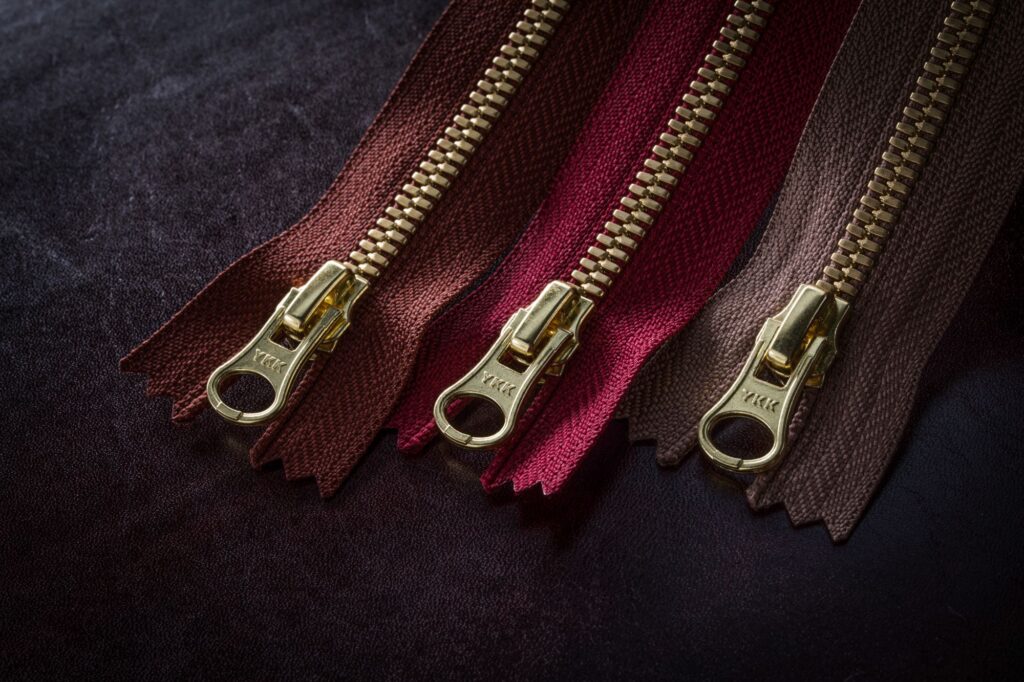
“YKK India has two state-of-the-art factories in Haryana, with vertically integrated production beginning from raw materials to finished zippers and has ISO 9001, 14001, 27001, OHSAS 45001, OEKO-TEX Standard 100, GRS, and RCS certifications. The Indian subsidiary serves the garments, footwear, and luggage through 14 branches and depots and 13 dealers or resellers across India,” Mr Jin Deguchi, Managing Director, YKK India Private Limited told The Textile Magazine.
Global Legacy: From Tokyo to the World
Founded in 1934 in Tokyo, Japan by Tadao Yoshida, the Fastening Products division of the company is comprised of 68 companies in 70 countries and regions and employs 27,201 people. Net sales as of March 31, 2025 were ¥433.1 billion and operating income was ¥47.5 billion.
YKK manufactures enough zippers annually to stretch over 3 million kilometers or more than 80 times around the earth. China was the top country or region for YKK in fiscal 2024, where net sales stood at ¥115.7 billion, followed by ASEAN with ¥103.2 billion, Europe at ¥61.6 billion, ISAMEA at ¥ 69.2 billion and finally the Americas at ¥51.2 billion.
Innovative Fastening Solutions for Every Application
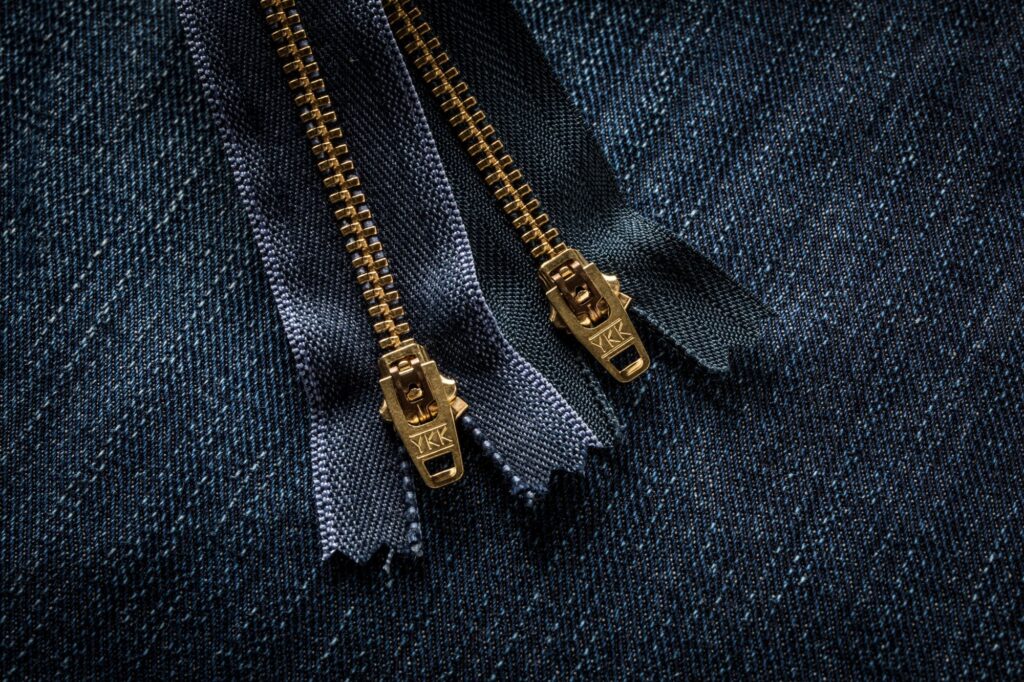
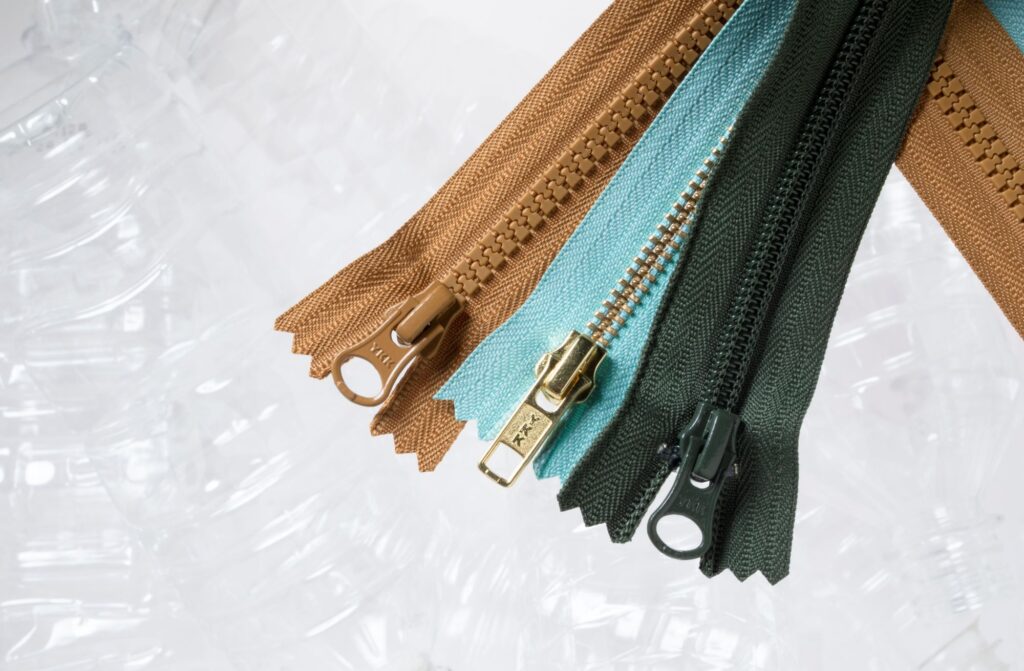
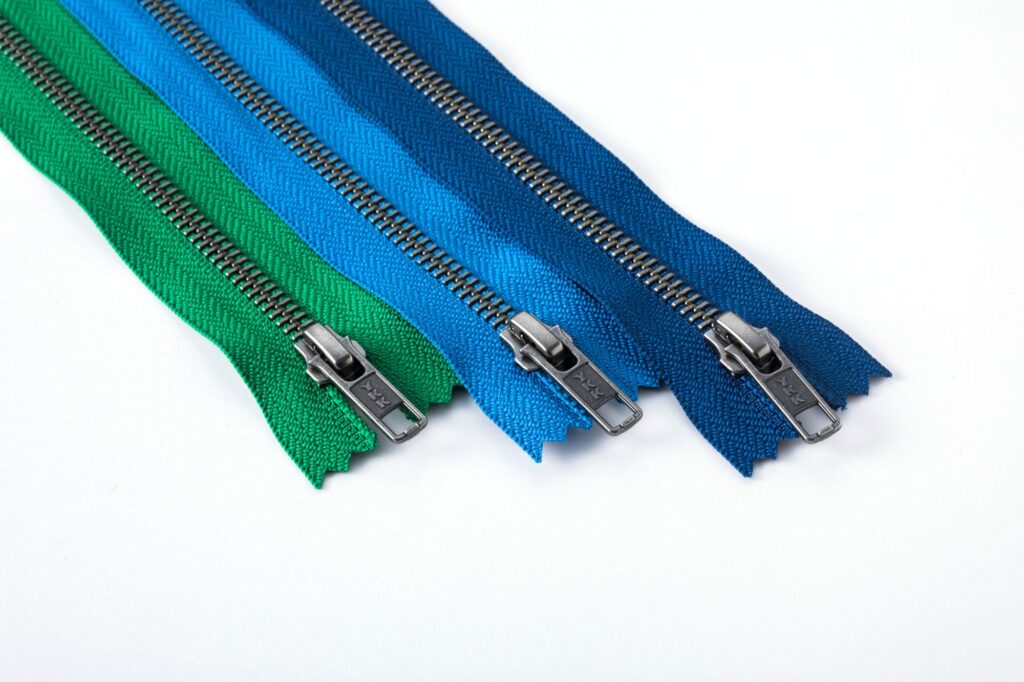
YKK is best known for its zippers, which come in various types to suit different garment applications like Coil zippers, Metal zippers, VISLON® zippers, CONCEAL® zippers and AquaGuard® zippers. The VISLON® zippers are made from injected plastic, suitable for outerwear and heavy-duty garments, while the CONCEAL® zippers are invisible zippers for formalwear and fashion garments and AquaGuard® zippers are water-repellent used in outdoor and performance wear.

“YKK also manufactures a variety of snap fasteners, jeans buttons & rivets and decorative buttons. The company is also into hook & loop fasteners which are used in sportswear, children’s clothing, and adaptive apparel for easy fastening and adjustability. Lastly, it also produces plastic hardware, which includes buckles, cord locks, and adjusters, commonly used in backpacks, outerwear, and sports gear,” Mr Deguchi added.
Sustainable by Design: Green Products and Processes
YKK has developed sustainable options such as NATULON®, which are recycled zippers made from PET bottles and other materials. GreenRise® zippers are made using plant-based polyester, while DynaPel™ zippers are designed for easy recycling with polyester garments and the VISLON® NATULON® zipper is made with ECONYL® Regenerated Nylon which has been developed for use in nylon garments to be recycled back into its base material.
Snap and buttons are finished with AcroPlating® technology to make them sustainable from a technology developed by YKK. It is an innovative technology that does not require the use of hazardous substances, such as cyanogen and chromium.
Additionally the company also manufactures specialty products like the QuickFree® zipper, which is a magnetic zipper system for easy open or close; TouchLink® zippers which incorporate NFC technology for digital interaction and METALUXE®, which are plastic zippers with a metallic look for lightweight fashion applications.
The CYCLE OF GOODNESS®: YKK’s Guiding Philosophy
“YKK operates under the guiding philosophy of the CYCLE OF GOODNESS®, which emphasizes mutual prosperity or that no one prospers without rendering benefit to others.YKK believes that as a vital part of society, a company thrives through mutual coexistence. When benefits are shared, society recognizes the true value of a company’s existence,” he stated.
Sustainability Vision 2050: Commitment to a Greener Future
YKK has formulated the Sustainability Vision 2050 plan and to combat global climate change by 2030, YKK has committed to reduce emissions of CO2 and other GHGs in its company and supply chains. Under Scope 1+2, a 50% reduction has been targeted from fiscal 2018 baseline, while under Scope 3, a 30% reduction from fiscal 2018. The company has also targeted 100% renewable energy ratio for power consumption.
Within material resources, by 2030, YKK will switch to 100% sustainable textile materials for fastening products (recycled materials, naturally-derived materials, etc.) and replace all vinyl/plastic packaging materials with sustainable packaging, including recyclable/reusable forms, sustain a waste recycling rate of at least 90%, and reduce the amount of waste to be landfilled or incinerated at all production sites among several other initiatives.
By 2050, YKK aims to reduce water intake by 30% compared to fiscal 2018 through initiatives such as optimizing water use and promoting reuse. YKK also aims to strictly manage wastewater at all manufacturing sites based on ZDHC (Zero Discharge of Hazardous Chemicals) standards and reduce water-related risks at these sites.
In chemical management, by 2030, YKK will promote reductions of harmful chemical substances through its own YKK RSL standard. It will also ensure compliance with industry standards utilizing OEKO-TEX®STANDARD 100 and AFIRM RSL for products standards.
Market Trends: Opportunities in the Indian Apparel Industry
According to Mr Jin Deguchi, the Indian apparel industry has a promising outlook over the next few years, largely driven by the “China+1” sourcing strategy adopted by major global buyers. However, the industry’s ability to capitalize on this opportunity will depend on whether Indian suppliers can effectively scale up their operations. Cost optimization will be crucial, and we may see a shift in operations to regions within India that offer lower wage costs.
“Due to World Trade Organization (WTO) restrictions, the Indian government is limited in its ability to provide subsidies or incentives. Therefore, the onus is entirely on apparel manufacturers to enhance efficiency and remain competitive against other sourcing nations,” he observed.
The demand for Indian garments is expected to grow steadily, supported by three key factors, namely rising domestic demand; global supply chain realignment wherein international buyers are increasingly looking to India as a sourcing destination, particularly following recent Free Trade Agreements (FTAs) with the UAE and the UK; and government initiatives which support infrastructure and trade facilitation.
Mr Jin Deguchi concluded by saying, “Per capita income is expected to rise over the next 3 to 5 years and beyond. As a result, purchasing power and fashion preferences are likely to shift toward more value-added products. This presents significant opportunities for the YKK Group, particularly as more international brands enter the Indian retail market.”
Expansion Strategy: Investing for the Future
In expansion plans, the Vietnam subsidiary of YKK is expanding its Nhon Trach factory at an investment of $83.6 million. The new project will have a built up area of 99,900 sq. meters spread over a 176,701 sq. meters site. This expansion supports YKK’s goal to meet growing demand in the region and enhance its manufacturing capabilities.