


Pioneer Embroideries Limited (PEL), a name synonymous with excellence in Specialized Polyester Filament Yarn (SPFY) and Embroidery & Laces (EL), has steadily crafted a legacy of innovation and resilience in the Indian textile industry. Established in 1991, the company combines decades of operational expertise with forward-looking strategies to serve both domestic and international markets. With three state-of-the-art manufacturing facilities across Himachal Pradesh, Maharashtra, and Gujarat, PEL continues to demonstrate its ability to blend heritage craftsmanship with modern industrial efficiency.

Performance Anchored in Core Strengths
For FY25, Pioneer reported consolidated revenues of ₹375 crore, with SPFY contributing the lion’s share at more than 80% of topline. While EBITDA stood at ₹31.6 crore and PAT at ₹4.6 crore, profitability was challenged by rising power costs at the company’s Kala Amb facility, owing to tariff hikes and withdrawal of duty exemptions in Himachal Pradesh. Despite these external challenges, the company maintained steady growth in its embroidery division, where revenues rose 12%, supported by the newly operational greenfield unit at Degaon, Maharashtra.
Managing Director Harsh Vardhan Bassi reflected on the year, stating: “Our consolidated revenue was ₹375 crore, with SPFY continuing to anchor our performance. Although profitability was impacted by energy cost escalation, we have initiated structural mitigation such as solar investments, efficiency upgrades, and active policy engagement to restore margins. The commissioning of our new Degaon embroidery unit has been a pivotal step in modernising our operations and building a more efficient, future-ready manufacturing base.”
PEL’s product portfolio is defined by two pillars—SPFY under the SILKOLITE® brand and embroidery & laces under the heritage Hakoba® brand.
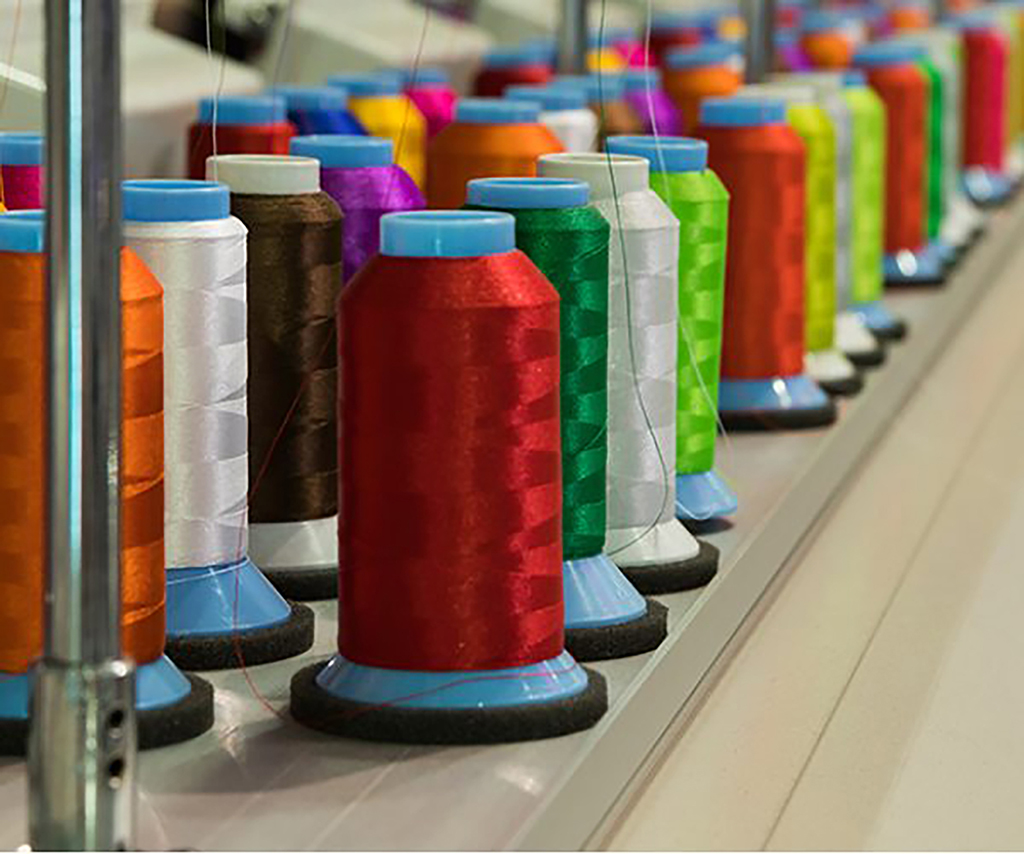
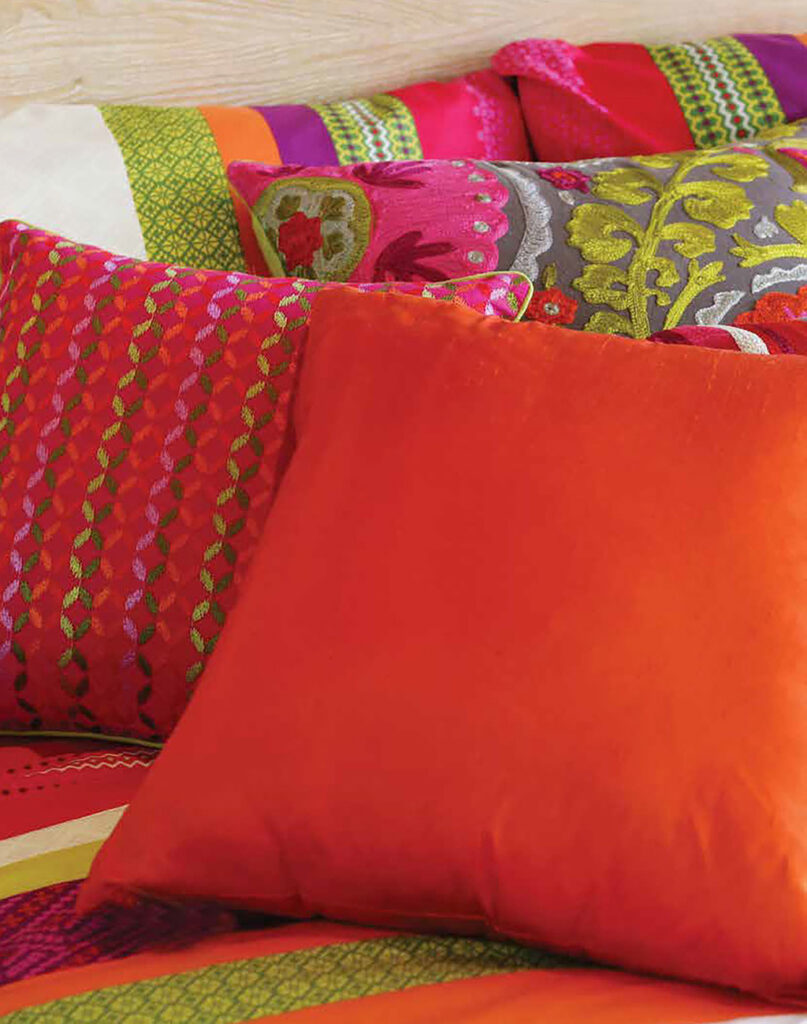
Specialized Polyester Filament Yarn (SPFY)
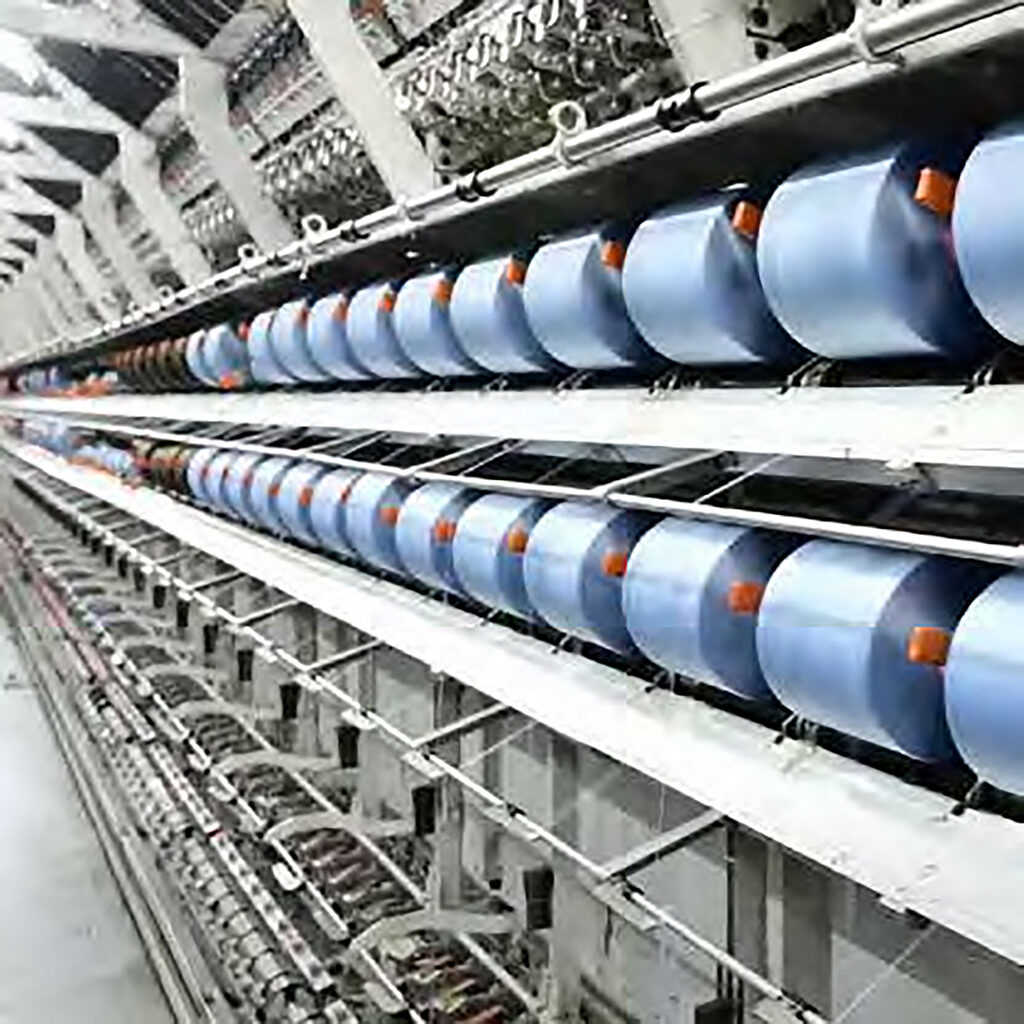
The Kala Amb facility in Himachal Pradesh, with an installed capacity of 26,000 MTPA, serves as the hub for SILKOLITE. This range includes air-texturised, carpet, twisted, partially oriented, draw textured, and fully drawn yarns, catering to applications such as carpets, bath mats, curtains, upholstery, athleisure, and even defence. With pre-pigmented yarns offering superior shade fastness and processing efficiency, SILKOLITE has emerged as a preferred brand in both domestic and overseas markets.
Chairman Raj Kumar Sekhani emphasized the future direction: “We continue to expand our SPFY offerings, which contribute over 80% of our revenues. Our SILKOLITE portfolio now includes yarns made from recycled PET bottles, already forming about 20% of SPFY volumes. With rising global traction for certified sustainable inputs, this portfolio will only grow, strengthening both our product mix and margins.”
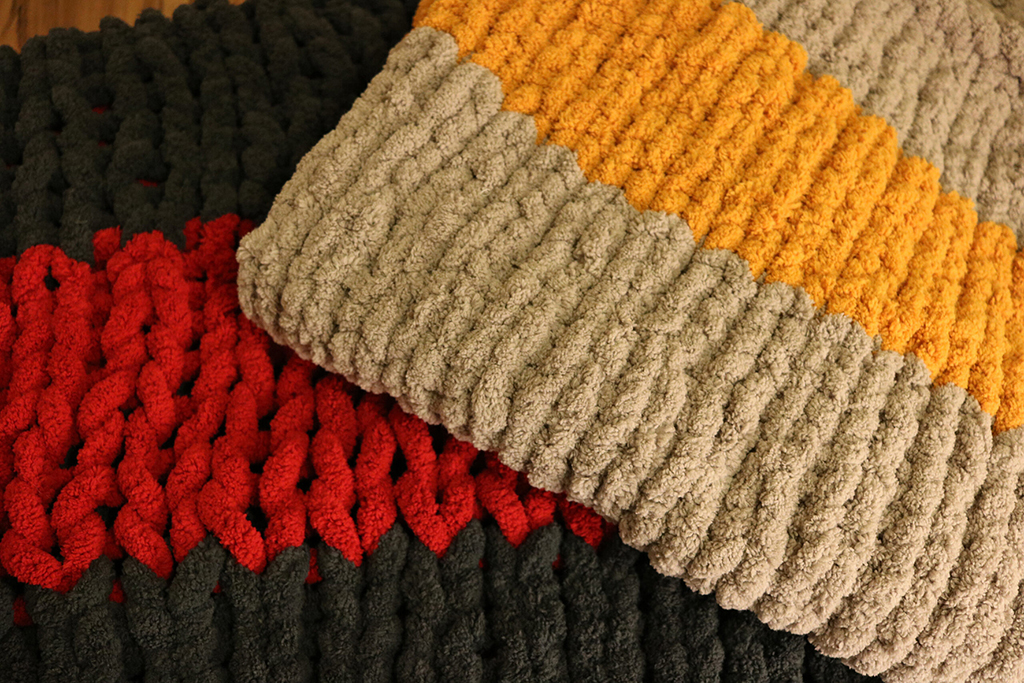
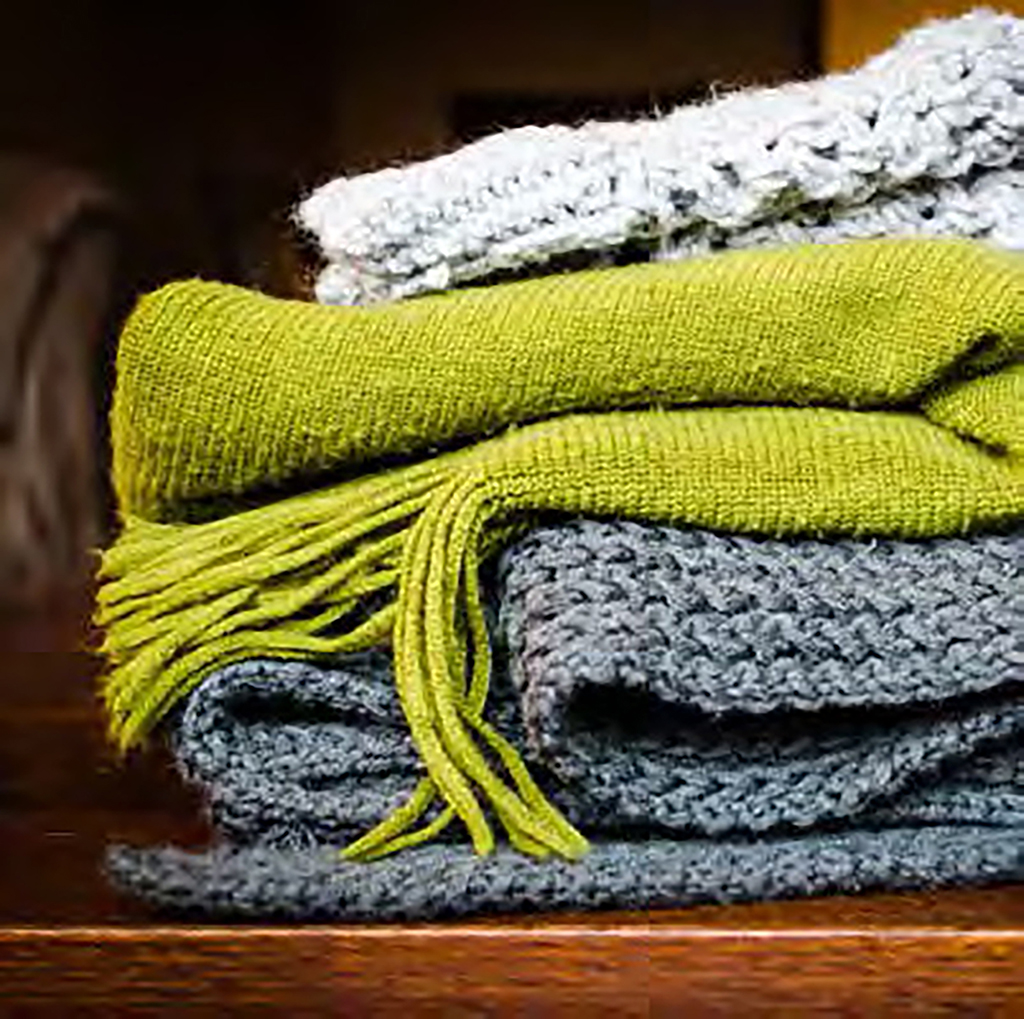
Embroidery & Laces (EL)
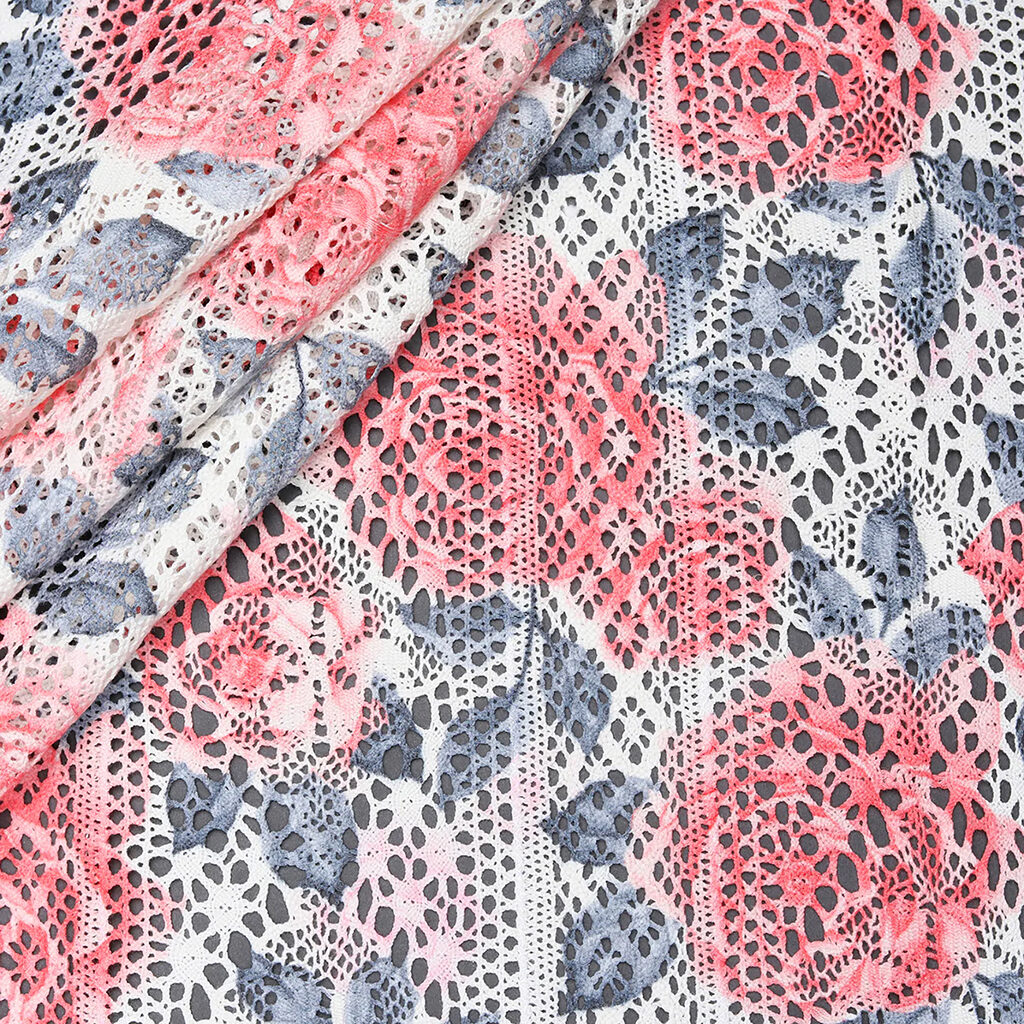
Pioneer is also a market leader in embroidery and lace manufacturing. Its Sarigam facility in Gujarat and the modern greenfield plant at Degaon are equipped with advanced Schiffli and bobbin lace machines, offering 1.2 billion stitches annually. With over 300,000 designs in its in-house library, the company delivers versatile solutions for both fashion and home textiles.
The Hakoba brand, acquired in 2001, represents PEL’s unique ability to balance heritage with modernity. Hakoba caters to a wide range of consumer segments with sarees, salwar kameez, men’s ethnic wear, and fashion fabrics, distributed through both offline retail and leading e-commerce platforms such as Amazon and Myntra. The brand’s growing inclusion of GOTS-certified organic fabrics highlights its alignment with contemporary sustainability-driven consumer preferences.
Manufacturing Infrastructure and Expansion
PEL’s strategic investments in manufacturing capacity have bolstered its competitive advantage.
- Kala Amb (Himachal Pradesh) – Specialises in SPFY with high customisation, in-house masterbatch capability, and eco-friendly waterless processing. Installed Capacity in this plant is 800 Mn stitches
- Degaon (Maharashtra) – State-of-the-art embroidery facility with 800 million stitches capacity, designed for large-scale production and fast-fashion timelines.
- Sarigam (Gujarat) – Focused on guipure and braided laces, offering premium designs for domestic and export markets. Installed capacity in this plant is 385 Mn stitches

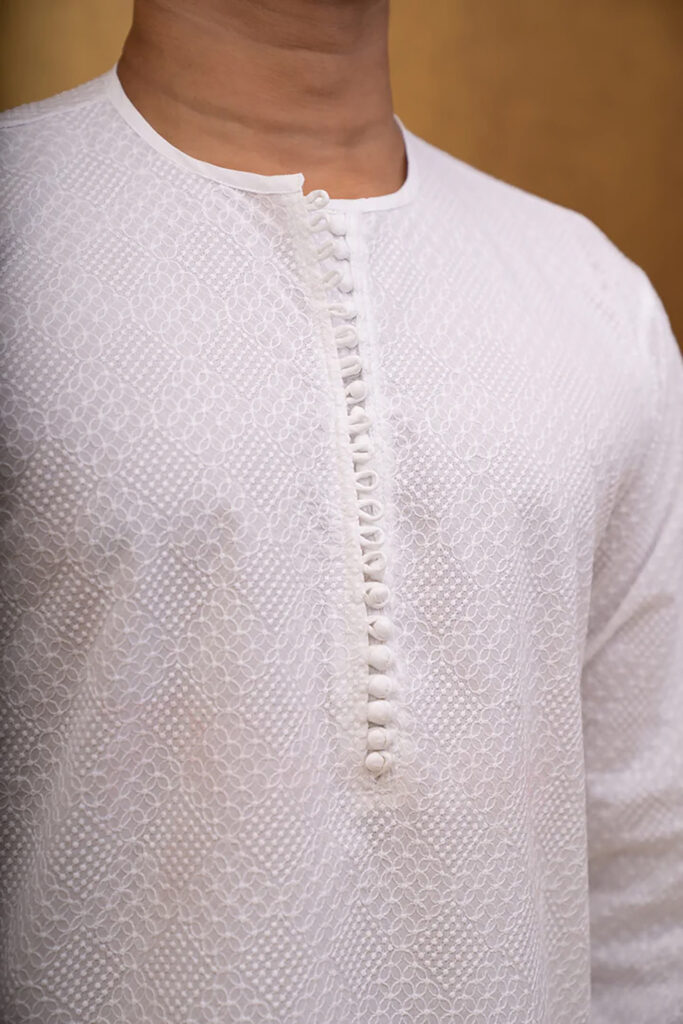
The commissioning of the Dhule embroidery unit in August 2023 marked a significant milestone. This facility, featuring eight high-end centralised Schiffli machines replacing 32 older units, has improved productivity, enhanced quality, and reduced costs, while catering to the fast turnaround times demanded by global retailers.
Mr. Bassi added: “Our expanded capacities in both SPFY and EL segments are now fully operational, supported by advanced, high-end machinery that enhances speed, precision, and product diversity. These investments not only improve efficiency but also position us to meet growing demand across fashion, technical, and specialty textile segments.”
Sustainability at the Core
Sustainability is not an adjunct but a core strategy for Pioneer. The company’s waterless SPFY process saves 2.8 million litres of water daily—equivalent to 390 Olympic-size pools annually—while eliminating effluent discharge. Its R&D is focused on bio-based yarns, including corn-fibre biodegradable options and camouflage yarns for defence use.
The Kala Amb unit’s upcoming 2.2 MW rooftop solar project will generate 27 lakh units annually, offsetting a significant portion of energy costs and reducing carbon emissions. In addition, recycled yarns under SILKOLITE already account for more than 20% of volumes, underscoring PEL’s proactive alignment with circular economy practices.
Mr. Sekhani observed: “We are making significant investments to improve our environmental footprint. Sustainability-driven products such as recycled yarns and bio-based alternatives are not just good for the planet, but also strengthen our long-term competitiveness and customer trust.”
Market Dynamics and Growth Opportunities
The Indian textile industry continues to witness strong tailwinds driven by domestic consumption, brand-conscious consumers, and global sourcing diversification under the “China Plus One” trend. PEL has capitalised on these dynamics, with domestic sales growing 18.3% in FY25 to ₹34,261 lakh, reflecting its resilience in the face of export headwinds.
While exports faced temporary contraction in the US and Eurozone due to tariff uncertainties and demand slowdown, the company remains confident of revival. The rising adoption of sustainable inputs in Europe and North America positions Pioneer favourably, particularly with its SILKOLITE recycled yarns and Hakoba’s organic-certified collections.
Future Outlook
Looking ahead, PEL has outlined a clear roadmap. Restoring profitability remains the immediate priority through cost control, solar energy deployment, and policy engagement for tariff relief. Beyond this, the company aims to expand high-margin product lines in biodegradable and recycled yarns, strengthen its embroidery portfolio for fast fashion, and secure working capital to unlock capacity utilisation.
Mr. Bassi concluded: “Our focus is on restoring profitability, scaling value-added products, and leveraging sustainability to win new customers, particularly in Europe. With strong brands, modernised infrastructure, and a culture of resilience, Pioneer is well-positioned to capture the next phase of growth.”
Pioneer Embroideries Limited’s journey truly embodies its guiding ethos—“Woven with Experience, Driven by Progress.” With a robust portfolio spanning SPFY and embroidery, strong domestic growth, forward-looking sustainability practices, and an eye on innovation, PEL is charting a course to consolidate its leadership in India while expanding its global relevance.
Its ability to balance heritage brands like Hakoba with contemporary innovations such as recycled and biodegradable yarns highlights the company’s dual strength: respect for tradition and readiness for the future. As it continues to invest in technology, capacity, and sustainable practices, Pioneer is set to play a defining role in shaping the textiles of tomorrow.