


In an industry where machinery sales typically conclude at delivery, Surat-based PoloKnit has introduced a pioneering approach — combining advanced circular knitting technology with a structured one-year fabric buyback assurance. This initiative provides manufacturers not only high-performance machinery, but also a built-in risk mitigation framework.
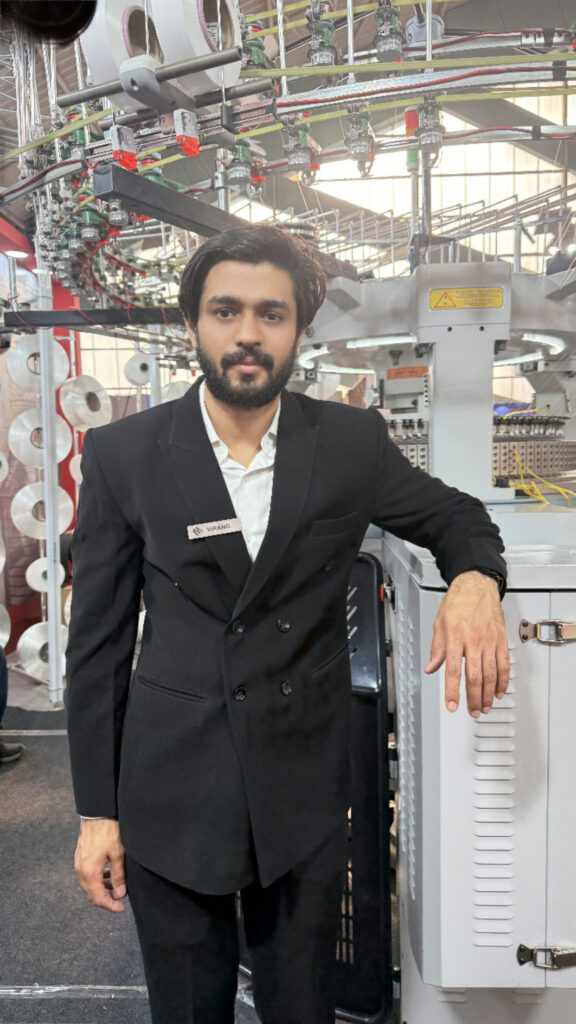
From Embroidery to Knitting: The PoloKnit Journey
Founded in 2008 by Mr Bharat Dholiya, PoloKnit began its journey as an importer of Chinese embroidery machines and their spare parts. Over time, the company evolved its focus, venturing into circular knitting machines imported from China and retailing them under the PoloKnit brand. Today, the company operates with a singular focus on circular knitting machines.
Tailored for Surat’s Manmade Fibre Industry
“Surat’s identity as India’s manmade fibre hub made it essential for PoloKnit to be highly selective about the machine models we chose to introduce to the market. We conducted extensive research to ensure our offerings were well-suited to the specific requirements of the local textile industry,” said Mr Virang Dholiya, Director at PoloKnit.
Its product portfolio spans several configurations, including single jersey, double jersey, jacquard, and open-width machines. Each model can be further customised in terms of dials and gauges. Competitive pricing across its range has also been a key differentiator for the brand.
Technological Progress: Speed as the Key Advancement
Over the past decade, circular knitting machines have evolved significantly with advancements in automation, speed, and precision. Modern systems now incorporate PLC-based touchscreen controls, digital stitch adjustments, and real-time production monitoring to maintain consistent GSM and fabric quality. Automation features such as yarn break sensors and auto-lubrication systems have reduced downtime and manpower dependency.
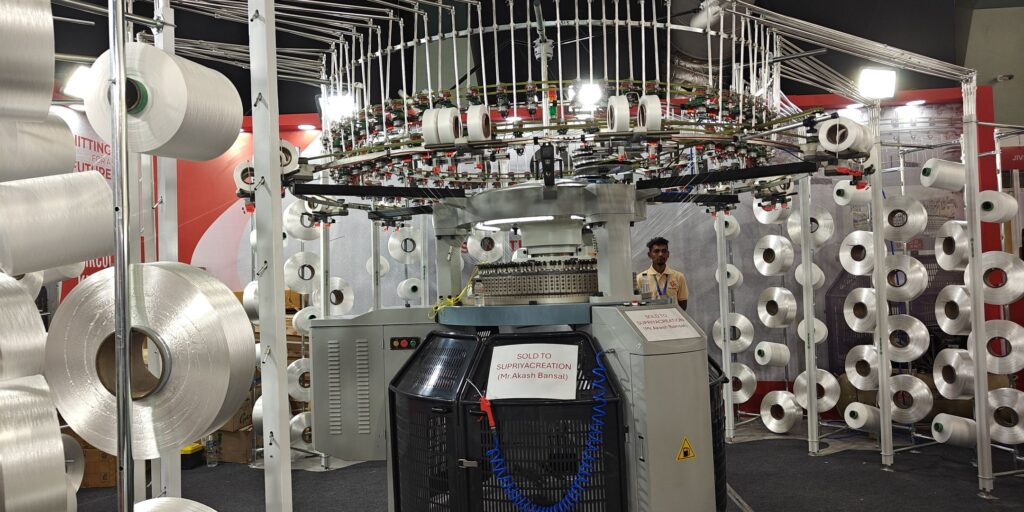
Mechanical innovations have also played a major role. Enhanced cam designs and lightweight engineering have increased RPM while maintaining operational stability. Energy-efficient servo motors and inverter drives have reduced power consumption, while advanced positive yarn feeders with improved elastane handling systems have enhanced stretch control and minimized fabric defects. These developments have transformed circular knitting machines into intelligent, high-performance systems aligned with modern textile production demands.
The Buyback Guarantee: A Business Model Built on Customer Confidence
What truly sets PoloKnit apart from conventional machine suppliers is its commitment to first-time buyers that extends well beyond the point of sale. The company offers a structured fabric buyback arrangement, wherein it purchases knitted fabrics from its machine buyers for up to one year should they face difficulties in selling their output.
This is not merely a marketing promise — it is backed by PoloKnit’s own manufacturing infrastructure. The company operates a knitted fabric production unit equipped with 130 knitting machines and a monthly output capacity of approximately 700 tonnes. It also runs stitching units where knitted garments are assembled and sold.
As competition intensifies within the circular knitting segment, PoloKnit’s integrated model of technology, production support, and market assurance positions it uniquely within India’s textile machinery landscape. By combining advanced machinery with structured offtake security, the company is redefining the traditional supplier–buyer relationship into a collaborative growth partnership.
Customer Satisfaction at the Core
“The motto of our company is ‘Customer Service Is Our Customer Satisfaction’. We do not just sell machines to a customer, but provide a wholesome experience, which begins with selling the machine, providing timely after-sales service, and the biggest advantage we offer is that if for any reason they are not able to sell the fabrics, then we buy back those fabrics from our machine buyers for a period of one year,” Mr Dholiya added.