


Nipaş Tekstil upgraded its Rieter cards C 80 with Carding Gap Control (CGC) to improve sliver quality and increase productivity. The modernization enables the mill to operate with consistently high quality at higher production speeds while reducing maintenance efforts.
conditions

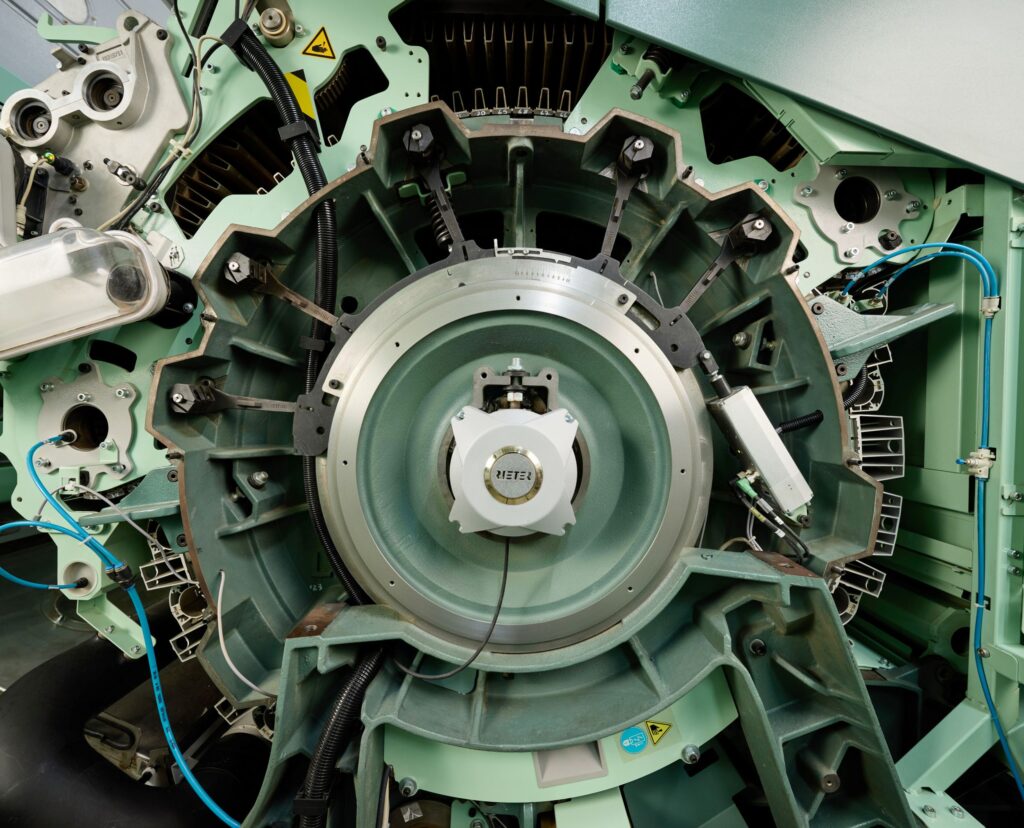
Carding lays the foundation for a stable, efficient spinning process and a high-quality end product. A key parameter in achieving this is the carding gap – the distance between the flats and the cylinder – which directly affects both quality and performance. Carding Gap Control (CGC) automatically maintains the optimal gap under changing operating conditions, ensuring that the full potential of the 40 active flats is utilized. The contact-free system continuously monitors the distance between needle tips and cylinder clothing and adjusts the flat setting as required (Fig. 1).
Improved quality with CGC
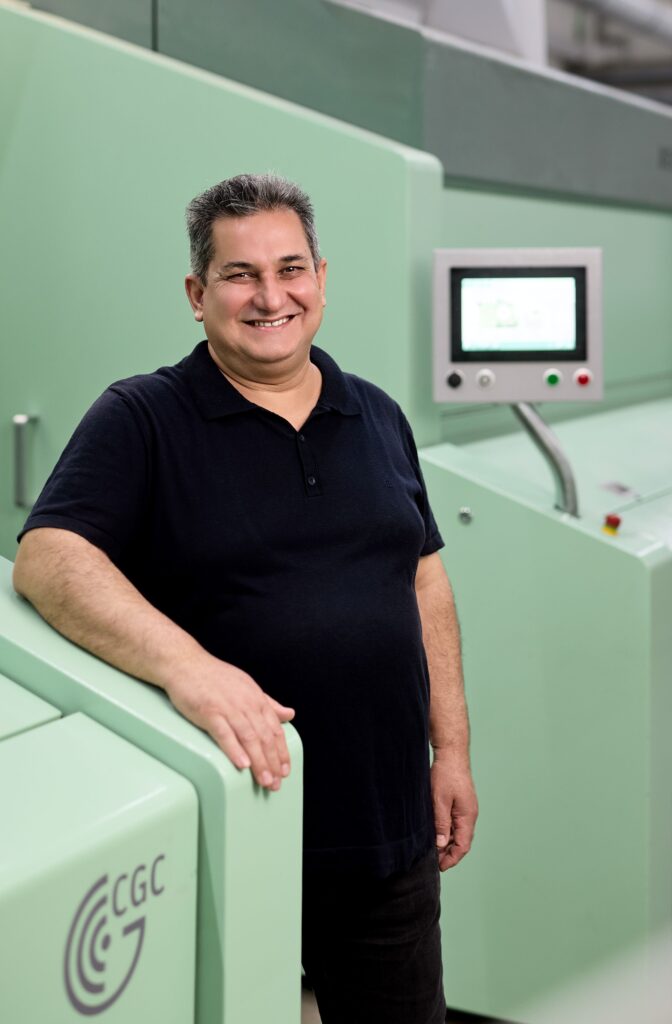
The benefits are clearly reflected in daily production. Ömer Mutlu, Ring Spinning Mill Manager at Nipaş Tekstil in Türkiye, states: “The modernization of the cards C 80 with CGC has significantly improved yarn quality.” He also highlights that the automatic control of the flat settings enables consistently high sliver quality while supporting higher production speeds (Fig. 2).
Higher quality with lower maintenance
Based on the measured data, intelligent software calculates the ideal carding gap while considering factors such as machine temperature. A centrally controlled electronic flat setting keeps the gap within the optimum range at all times. This ensures stable process conditions and reliable quality throughout production.
In addition to quality improvements, Nipaş Tekstil benefits from lower maintenance requirements and greater operational efficiency. By investing in CGC, the mill has combined improved quality, higher productivity and reduced maintenance effort in a single solution (Fig. 3).