


As India’s apparel manufacturing landscape undergoes a geographic shift towards emerging hubs, companies like SAPL Industries Private Limited (Sonal Apparel Pvt. Ltd.) are playing a pivotal role in shaping this transformation. With a growing multi-location presence and a strong focus on exports, SAPL is steadily expanding its footprint while aligning with global standards of compliance, efficiency, and workforce development.
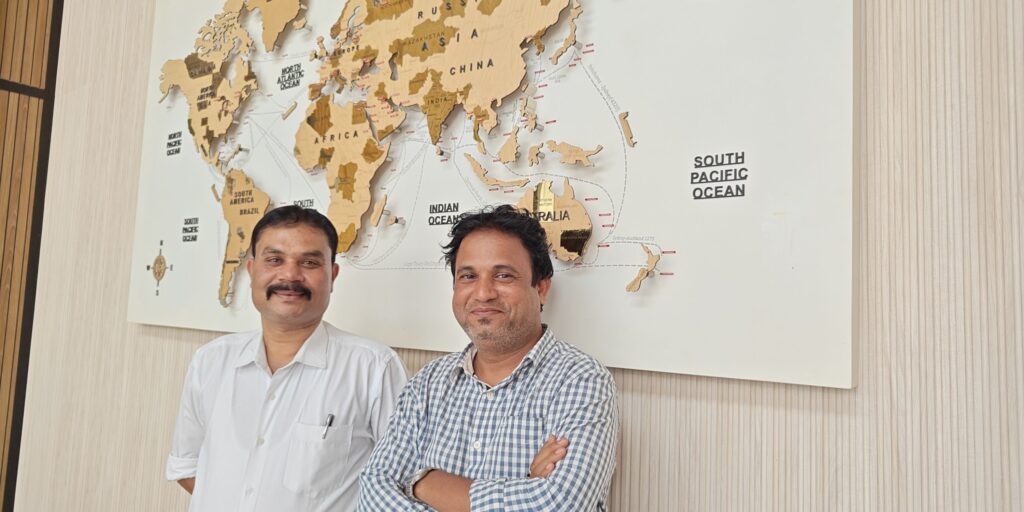
Headquartered in Mumbai, SAPL has evolved into a professionally managed apparel manufacturing company with integrated capabilities across sourcing, cutting, sewing, washing, embroidery, and finishing. Its operations are spread across key locations including Bengaluru, Odisha, Muzaffarpur (Bihar), and Noida, enabling the company to serve global customers with flexibility and scale.
Building a Multi-Location Manufacturing Ecosystem
SAPL’s growth strategy is anchored in creating a distributed manufacturing ecosystem that balances operational efficiency with access to skilled manpower. The company began its manufacturing journey in Bengaluru and has since expanded to multiple locations, with Odisha emerging as a key focus area.
The Odisha unit, which commenced operations in early 2025, represents a significant milestone in SAPL’s expansion. Within a short span, the facility has scaled up operations and is poised for further growth, with plans for an additional unit already underway. The company currently operates multiple facilities across India, with a combined production capacity estimated in the range of several lakh garments per month.
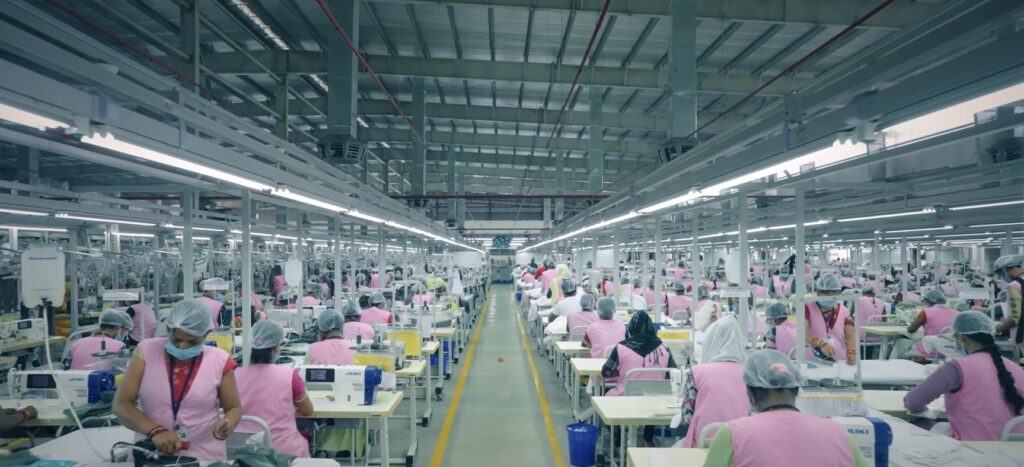
This expansion reflects a deliberate strategy to align manufacturing closer to emerging labour clusters while leveraging state-level incentives and infrastructure support.
Export-Oriented Growth with Global Clientele
SAPL’s business model is predominantly export-driven, with a growing share of production catering to international markets. The company is actively engaged with leading global retailers, including Tesco and Kiabi, while also exploring partnerships with brands such as Primark.
The export focus is driven by increasing global demand for compliant and reliable sourcing partners. As highlighted during the interaction, SAPL’s facilities are regularly evaluated by international buyers based on stringent parameters covering legal compliance, technical capability, social standards, and environmental responsibility.
This emphasis on compliance and quality has enabled SAPL to position itself as a credible supplier within the global apparel value chain, particularly in segments requiring consistent quality and adherence to international standards.
Integrated Capabilities and Operational Strength
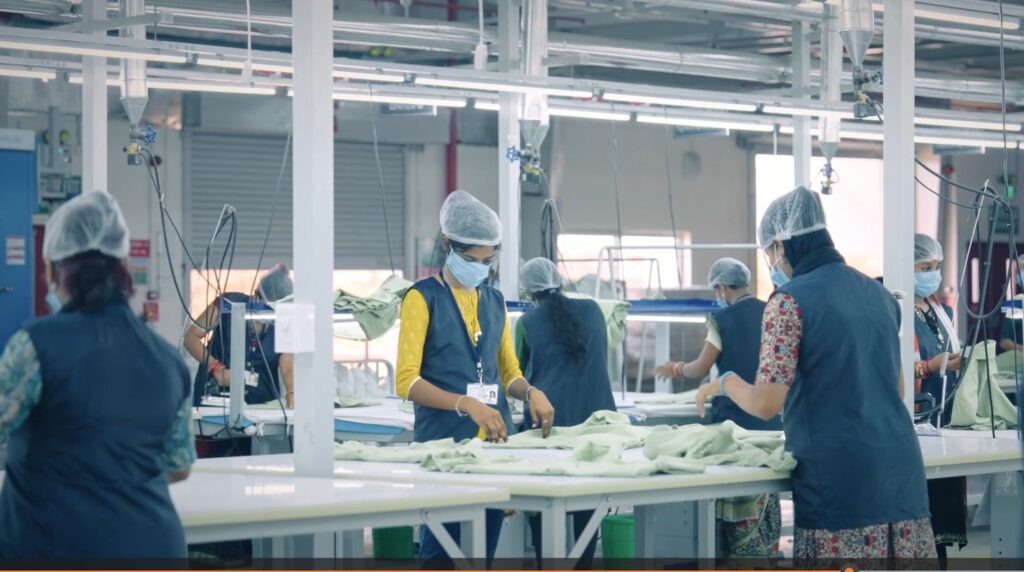
A key strength of SAPL lies in its integrated manufacturing capabilities. The company sources fabrics from approved suppliers and undertakes complete garment production processes, including automated cutting, sewing, washing, finishing, and packing.
The Odisha facility, for instance, is equipped with modern infrastructure, including automated cutting machines, sewing lines, washing units, and finishing sections. With approximately 950 sewing machines and structured production lines, the unit is designed to deliver efficiency and scalability.
Importantly, SAPL has invested in process standardization and operational discipline, ensuring consistent output quality across facilities. The presence of Effluent Treatment Plants (ETP) and adherence to environmental norms further reinforce its commitment to responsible manufacturing.
Workforce Development and Social Impact
One of the most significant aspects of SAPL’s operations is its focus on workforce development, particularly in emerging regions like Odisha. The company employs a large number of workers across its facilities, with a strong emphasis on local recruitment and skill development.
A notable feature is the high participation of women in the workforce, with a majority of employees in certain units being women from nearby communities. SAPL actively invests in training programs, transforming unskilled individuals into semi-skilled operators within a short period.
Beyond employment, the company provides a supportive work environment, including transportation facilities, healthcare support, crèche facilities, and structured grievance redressal systems. These initiatives not only enhance productivity but also contribute to social empowerment and economic development in the region.
The impact is visible in the changing socio-economic landscape around the manufacturing units, where employment opportunities are reducing migration and enabling local communities to achieve financial independence.
Odisha: A Strategic Growth Destination
SAPL’s expansion into Odisha reflects a broader industry trend, with the state emerging as a promising apparel manufacturing hub. The availability of skilled manpower, coupled with proactive government policies and incentives, has created a conducive environment for investment.
The company highlights several advantages of operating in Odisha, including access to trained workforce through skill development programs, attractive incentive structures, and streamlined approvals through single-window systems.
However, challenges such as infrastructure gaps and logistics constraints remain areas for further improvement. Despite this, the overall outlook remains positive, with increasing investments expected to create a robust textile ecosystem in the state.
Future Outlook: Scaling with Opportunity
Looking ahead, SAPL is focused on expanding its manufacturing capacity, strengthening its export portfolio, and deepening its presence in emerging textile hubs. The company’s plans for additional units in Odisha underline its confidence in the region’s long-term potential.
At the same time, SAPL is exploring initiatives to establish in-house training centres to ensure a steady supply of skilled manpower, addressing one of the key challenges in the apparel industry.
With global sourcing patterns gradually shifting towards India—driven by compliance requirements, geopolitical factors, and sustainability considerations—SAPL is well positioned to capitalize on these opportunities.