


By K. Gopalakrishnan
With fresh investments in Indian manufacturing, an expanding product portfolio and a stronger focus on AI-driven solutions, Vandewiele–Savio is positioning India as a strategic hub for its global textile machinery business. At INDIA ITME 2026, the Group will showcase innovations spanning spinning, winding, cabling and twisting, underlining its commitment to the Indian textile industry.
The Indian textile industry is entering a new phase of investment, technology adoption and manufacturing expansion, creating opportunities for global machinery manufacturers to strengthen their presence. For Vandewiele–Savio India, this presents an opportunity not only to serve a growing domestic market but also to expand its manufacturing capabilities and contribute more significantly to the global operations of the Vandewiele Group.
Speaking about the company’s evolving strategy, Mr. Shrikant Gajabi, Vice President – Sales & Marketing, Vandewiele–Savio India, emphasises that India has become an increasingly important market and manufacturing base for the Group. With additional investments planned, new products being introduced and a growing emphasis on automation, digitalisation and artificial intelligence, the company is preparing for the next phase of growth.
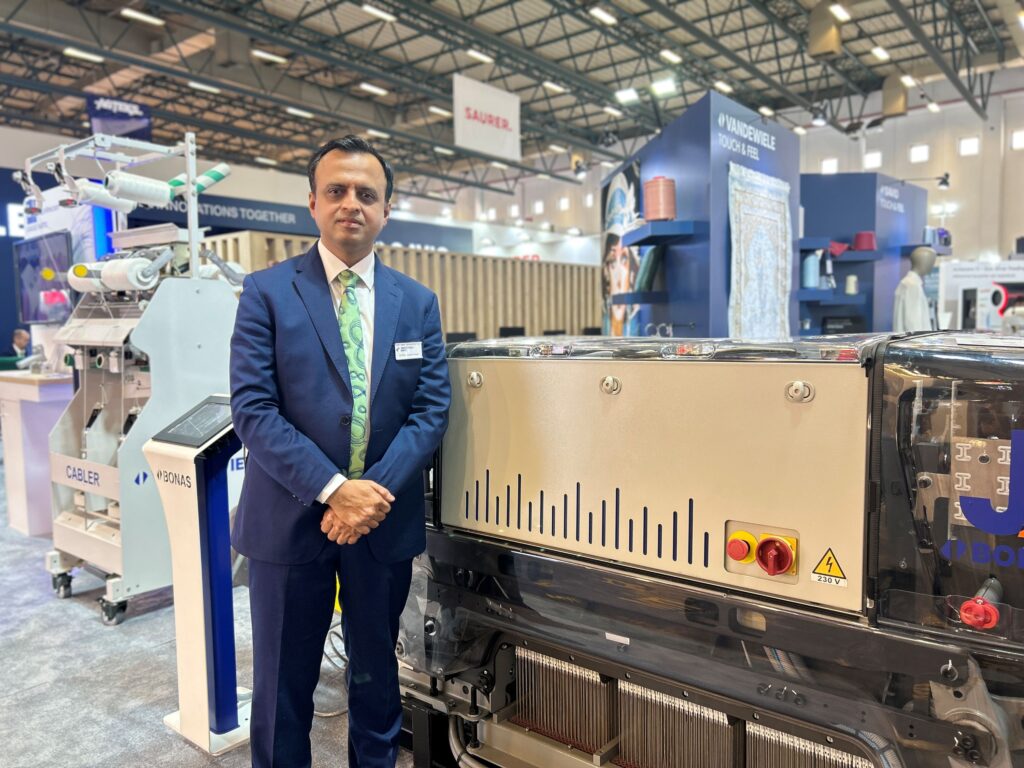
Its participation at INDIA ITME 2026 will provide an opportunity to demonstrate this broader strategy, with a portfolio covering spinning, winding, assembly winding, cabling and twisting, alongside technologies from other Vandewiele Group companies.
India: A Strategic Market and Manufacturing Hub
The Vandewiele Group’s acquisition of Savio has strengthened the technological synergies within its global operations, particularly in mechatronics, electronics, automation and advanced machinery development. According to Mr. Gajabi, the integration has enabled the Group to leverage the specialised capabilities of its different companies, sharing technologies, engineering expertise and manufacturing resources across geographical locations.
India occupies a particularly important position in this strategy. While Europe remains a major centre for research, development and advanced engineering, the Group increasingly sees India and China as key markets and manufacturing locations for the long term.
Mr. Gajabi believes that the continuing evolution of global textile manufacturing will sustain the importance of Asian markets. As manufacturers seek to remain competitive amid rising production costs, countries with established textile ecosystems, skilled workforces and growing domestic demand will continue to attract investment.
India’s established spinning industry, expanding downstream textile capacities and potential for greater export growth provide a strong foundation for machinery demand. The company’s strategy therefore extends beyond selling equipment to Indian customers; it also involves strengthening local manufacturing and integrating the Indian facility more closely with the Group’s worldwide operations.
The Indian headquarters brings together the Group’s various business divisions, enabling closer coordination across product lines and customer segments. This broader structure allows the company to serve customers across spinning, weaving and specialised textile applications while leveraging the capabilities of its international manufacturing network.
Expanding Manufacturing Capabilities in India
One of the most significant developments is the growing emphasis on manufacturing integration at the Indian facility. The company is progressively bringing more critical manufacturing activities in-house, including machining, sheet-metal fabrication and powder coating.
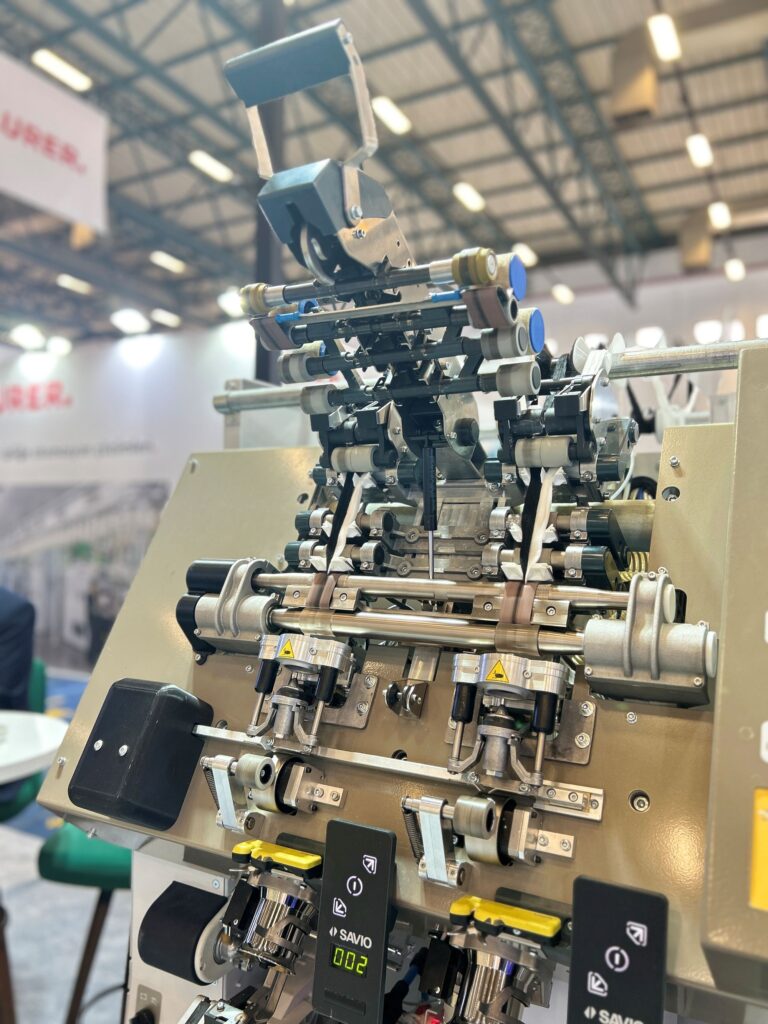
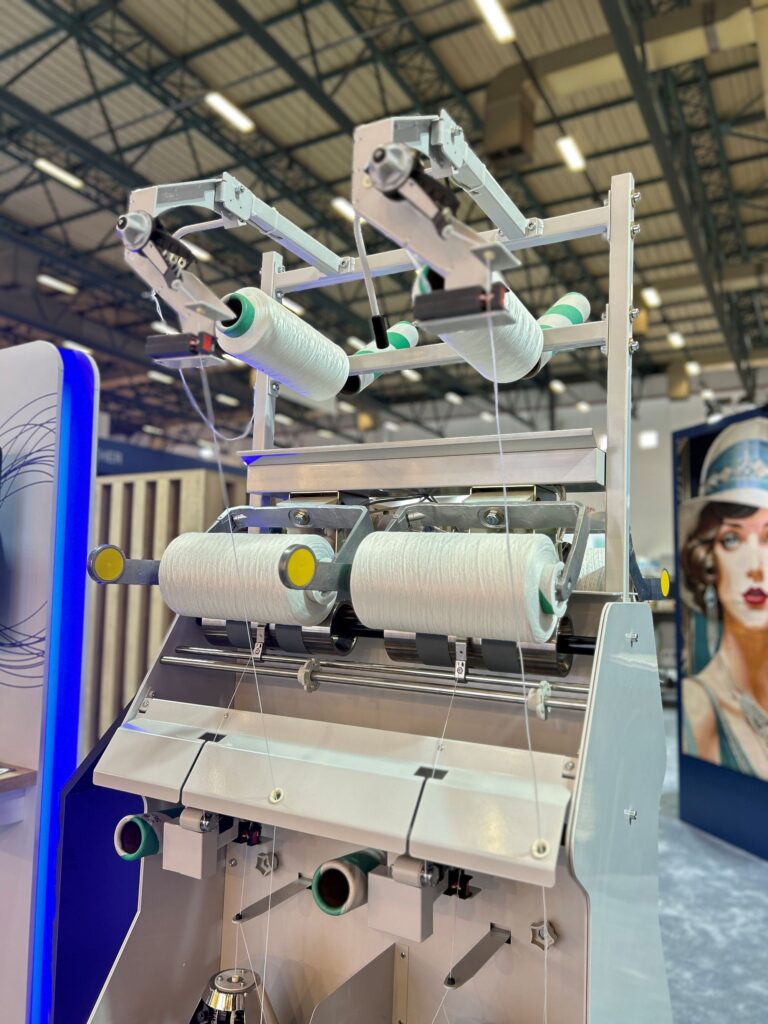
This approach offers greater control over product quality, manufacturing costs and delivery schedules. It also strengthens the company’s ability to manage supply chains and respond to customer requirements while reducing dependence on external suppliers for critical components.
Mr. Gajabi explains that the Group intends to manufacture those components and assemblies internally where it has the necessary expertise and capabilities, while continuing to source other elements from specialised facilities within the international network.
The Indian facility has already become a global manufacturing hub for Savio’s two-for-one twisting (TFO) machines. The company reports that its TFO production is operating at full capacity, with manufacturing running across three shifts in the machine shop. Production is divided between domestic requirements and exports, reflecting the growing importance of India within the Group’s global supply chain.
The facility is also preparing to manufacture additional products. Alongside TFO machines, the Savio Phoenix 2.0 assembly winder is being introduced for production in India, while a cabler and twister for the carpet industry is another addition to the manufacturing portfolio.
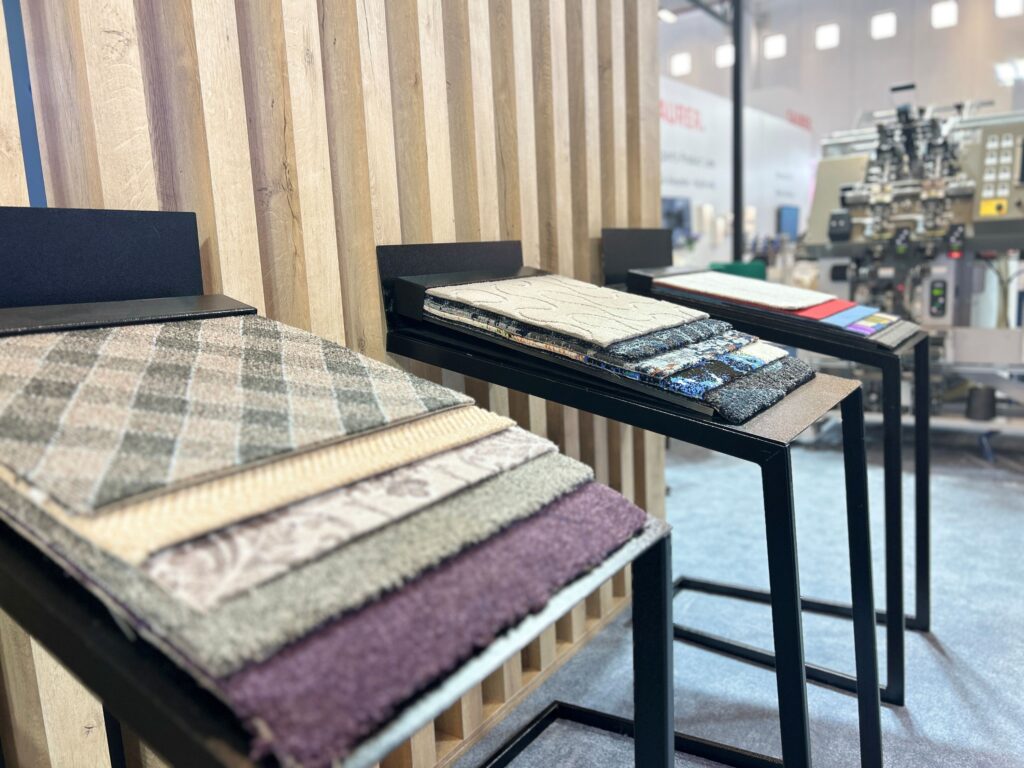
These developments will require further capacity. Mr. Gajabi indicates that the company plans additional investment in its existing premises over the next two years, with the objective of expanding manufacturing capacity and accommodating more activities.
The Group is also exploring greater collaboration between its international facilities, with India contributing products and components to other manufacturing locations where its capabilities offer competitive advantages.
TFO Technology: Building on a Strong Indian Market
Savio’s established position in two-for-one twisting remains a major pillar of its Indian business. The company has developed a strong presence in a market where manufacturers increasingly require reliable machinery for value-added yarn production.
According to Mr. Gajabi, several factors are supporting TFO demand. The gradual obsolescence of older ring-doubling machinery has created a replacement opportunity, while demand for doubled yarns is expanding across applications such as towels, yarn-dyed fabrics and premium textile products.
India’s competitive position in terry towels is particularly relevant. Major Indian producers supply international markets, and the manufacture of quality towels requires yarn characteristics suited to the desired performance and fabric construction. TFO technology supports this value-addition process.
Demand is also emerging from recycled yarn applications. Recycled fibres can present challenges in terms of yarn strength, and doubling can help improve suitability for selected end uses. Although Mr. Gajabi does not expect recycled yarn to replace conventional materials across the industry, he sees it as an additional specialised application for TFO machinery.
Savio has established a strong market position in this segment, with Mr. Gajabi reporting that the company holds more than 70% market share. Its established manufacturing base and experience in twisting technology provide a foundation for further growth as textile producers modernise their operations and pursue higher-value yarn applications.
INDIA ITME 2026: A Broader Technology Showcase
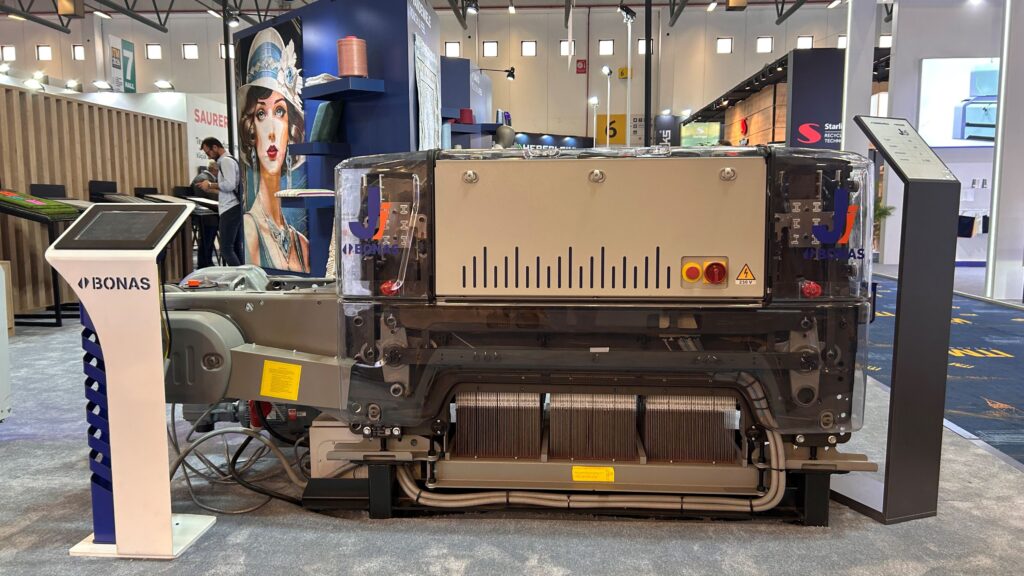
At INDIA ITME 2026, Vandewiele–Savio will present a broader portfolio reflecting the combined strengths of the Group. The machines and solutions planned for display will cover spinning, winding, assembly winding, cabling and twisting, alongside selected technologies from other Group companies.
The Savio TFO range will remain a central attraction, highlighting the company’s established expertise in yarn twisting. The Phoenix 2.0 assembly winder will demonstrate a renewed focus on precision yarn preparation and downstream process integration. The machine is designed to complement twisting operations, supporting efficient package formation and consistent yarn quality.
The Group will also showcase its cabler and twister, a new product line aimed at the carpet industry. The introduction of this machine to the Indian manufacturing portfolio illustrates how Vandewiele–Savio is leveraging synergies between its spinning and carpet-related businesses.
The Proxima Smartconer® will represent Savio’s latest advances in automatic winding. The platform combines productivity, yarn-quality control and intelligent process management, with digital capabilities designed to support real-time monitoring and improved operational decisions.
The company will also present the Lybra Smartspinner® air-jet spinning machine, which is being commercially introduced in India following technology demonstrations and the supply of machines for customer trials. A larger installation is expected to strengthen the product’s commercial presence in the Indian market.
Lybra is intended for selected applications where air-jet spinning can offer advantages in production economics, yarn characteristics and plant configuration. Potential applications include viscose and blended yarns, selected apparel materials and functional textile products. Rather than replacing ring spinning, the technology is positioned to address specific market segments where its characteristics offer a competitive advantage.
Together, these products demonstrate the breadth of Savio’s technology offering, from yarn formation and twisting to package preparation and winding.
Artificial Intelligence and Digitalisation
Artificial intelligence is becoming an increasingly important element of Savio’s product development strategy. The Proxima Smartconer® incorporates AI-driven functions designed to optimise winding performance by adapting machine settings to operating conditions.
The system can adjust yarn tension within defined parameters to balance productivity and yarn quality. Intelligent yarn handling also helps manage lower-quality material more effectively, concentrating defects on selected spindles where appropriate and reducing unnecessary waste and manual intervention.
Digital connectivity is another important development. Savio’s monitoring and data-management solutions provide visibility into machine performance, enabling manufacturers to analyse production and make more informed operational decisions.
The company has also introduced SpinGuru, a chatbot-based support tool for TFO machines. Customers can use the system to obtain guidance on machine operation, lubrication, maintenance and technological parameters. This digital assistance complements conventional service channels and provides operators with easier access to relevant technical information.
At the Group level, further development is taking place around integrated data management. The objective is to connect machine-level information with broader production and management systems, helping textile manufacturers translate operational data into actionable insights.
As factories increasingly focus on productivity, energy consumption, waste reduction and resource utilisation, such technologies are expected to play a greater role in improving manufacturing performance.
Lybra and Phoenix: Extending the Product Portfolio
The introduction of Lybra air-jet spinning and Phoenix 2.0 assembly winding reflects Savio’s ambition to expand beyond its established product categories.
Lybra addresses selected yarn applications where manufacturers seek a combination of production efficiency, lower hairiness and reduced investment requirements. The technology is particularly relevant where the economics of yarn production and the desired characteristics of the final product favour air-jet spinning.
Phoenix 2.0, meanwhile, strengthens Savio’s offering in yarn assembly and preparation. Its introduction into Indian manufacturing also provides the Group with an opportunity to serve international markets from the local facility.
The expansion of these product lines is closely linked to the company’s manufacturing strategy. By adding products that complement its existing capabilities, Vandewiele–Savio can utilise its engineering infrastructure more effectively while broadening its addressable markets.
Service and Customer Support: A Competitive Differentiator
Machinery performance and long-term reliability depend not only on technology but also on the availability of spare parts, technical support and timely maintenance. Vandewiele–Savio has therefore invested in a nationwide service network supported by its Indian headquarters.
The company has approximately 485 employees in India, including 118 personnel in sales and after-sales functions, according to Mr. Gajabi. Its network spans key textile centres, including Ludhiana, Delhi, Ahmedabad, Surat, Vadodara, Mumbai, Indore, Nagpur, Guntur, Madurai and Coimbatore.
The Coimbatore facility houses a major spare-parts stock centre and an electronics repair centre. The company is also investing in advanced diagnostic and repair capabilities, including flying-probe technology, to improve accuracy and reduce repair turnaround times.
Remote connectivity enables service teams to diagnose machine issues and provide technical guidance without always requiring an on-site visit. Preventive maintenance and annual maintenance contracts form part of the company’s support framework.
This infrastructure is particularly important for textile mills operating outside major metropolitan centres, where access to specialised machinery service can influence production continuity. The company intends to expand its local presence further as new textile manufacturing clusters emerge.
Looking Ahead
Vandewiele–Savio India’s strategy combines manufacturing expansion, product diversification, digital innovation and customer support. The planned investment in additional manufacturing capacity over the next two years signals continued confidence in India’s long-term potential, while the introduction of Phoenix 2.0 and the cabler and twister will broaden the Indian facility’s role in the Group’s global operations.
For the Indian textile industry, this growing presence offers access to an expanding range of international technologies supported by local manufacturing and service capabilities. As investment in spinning and downstream textile production gathers momentum, the combination of advanced machinery, intelligent automation and responsive after-sales support will become increasingly important.
Through its participation at INDIA ITME 2026, Vandewiele–Savio will underline its commitment to this evolving market. More than a showcase of individual machines, the company’s presence reflects a broader ambition: to strengthen India’s position within its global manufacturing network while helping textile producers improve productivity, quality and competitiveness.