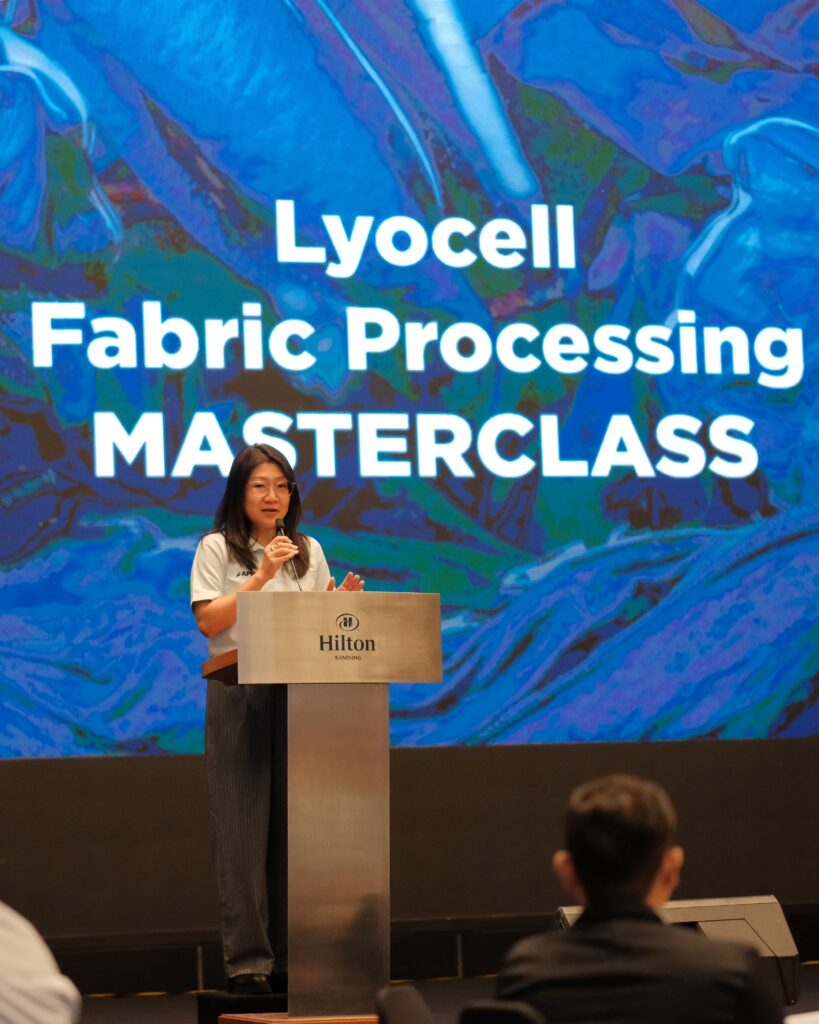
Asia Pacific Rayon (APR), a member of the RGE group of companies, recently conducted its Lyocell Fabric Processing Masterclass in two of Indonesia’s key textile hubs – Bandung and Solo – to help accelerate adoption of next-generation sustainable fibres.
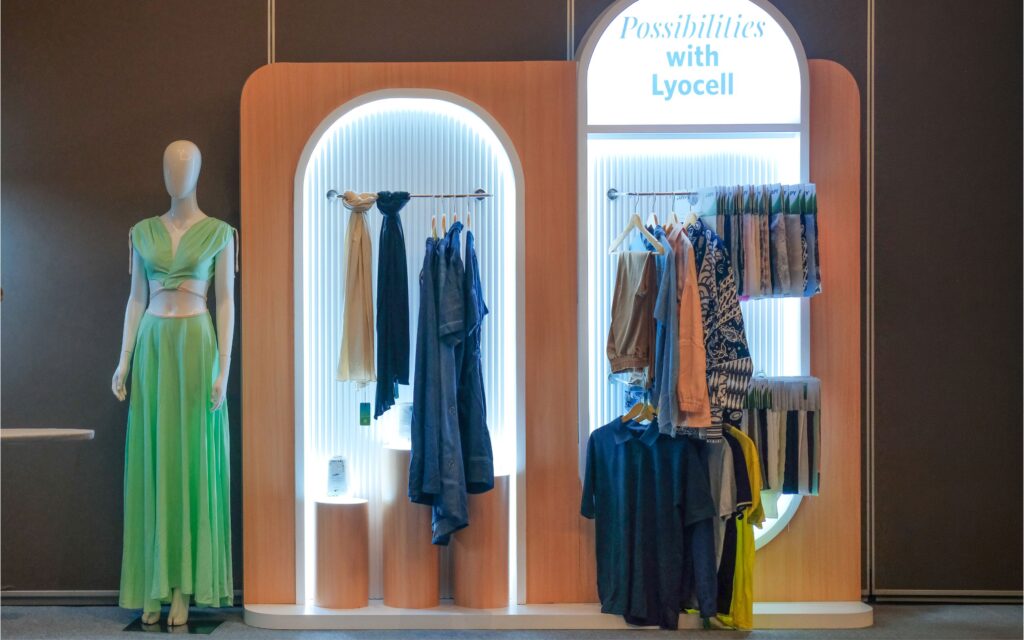
The programme brought together fabric manufacturers, value-chain partners, and technical experts to discuss critical production challenges in lyocell processing and to help build local capabilities for broad lyocell use.
The masterclass attracted over 125 participants from more than 50 knitted and woven fabric manufacturers.
Addressing a Critical Processing Gap
As global demand for responsible textiles rises, lyocell has emerged as a high-performance, eco-friendly fibre known for its strength, softness and sustainability. However, broader adoption requires not just fibre availability but also robust downstream processing capabilities – a key challenge to large-scale commercialisation.
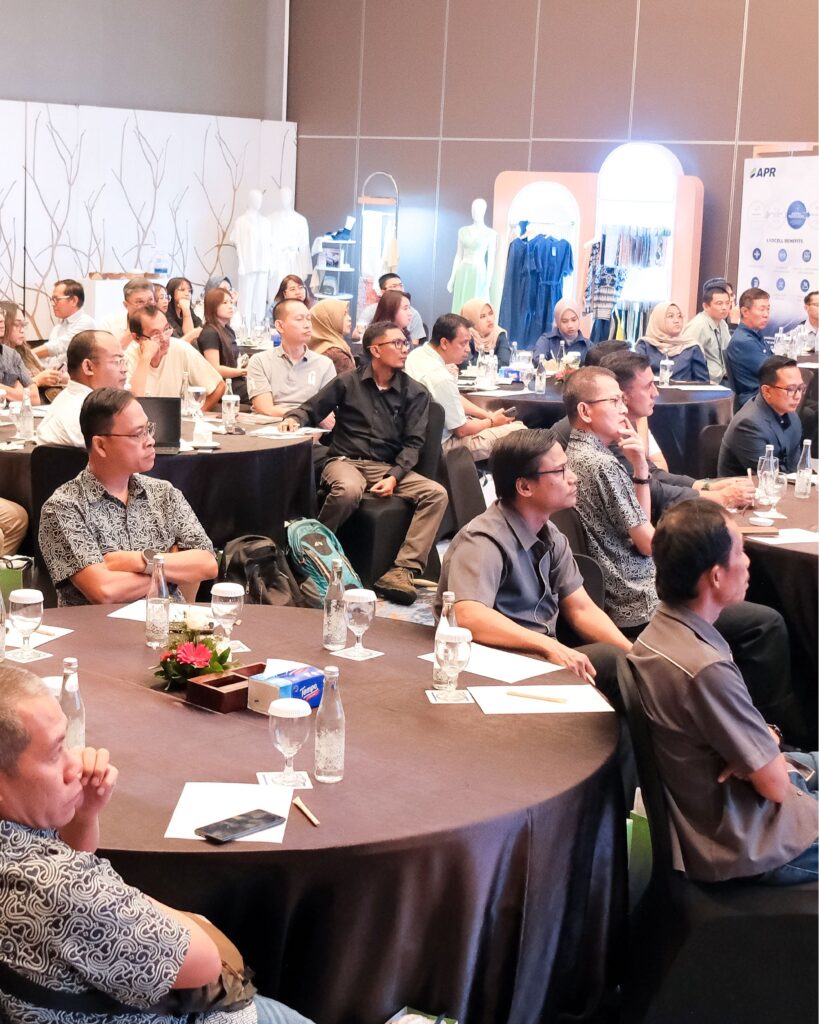
The masterclass sessions tackled critical mill-level challenges such as fibre split control, dyeing consistency and finishing optimisation to help manufacturers achieve stable, high-quality output.
Designed around practical, floor-level solutions, the masterclass translated technical know-how into actionable processing improvements that participants can implement directly on the factory floor.
Through detailed guidelines and real-world demonstrations, the masterclass is designed to equip manufacturers to stabilise production, enhance fabric quality and scale lyocell applications with confidence.
Bridging Fibre Potential with Mill Performance
Indonesia’s integrated textile ecosystem – spanning fibre production to fabric manufacturing – provides a strong platform for scaling up lyocell adoption. The masterclass bridged the gap between lyocell’s promise as a raw material and its consistent performance at the mill level.
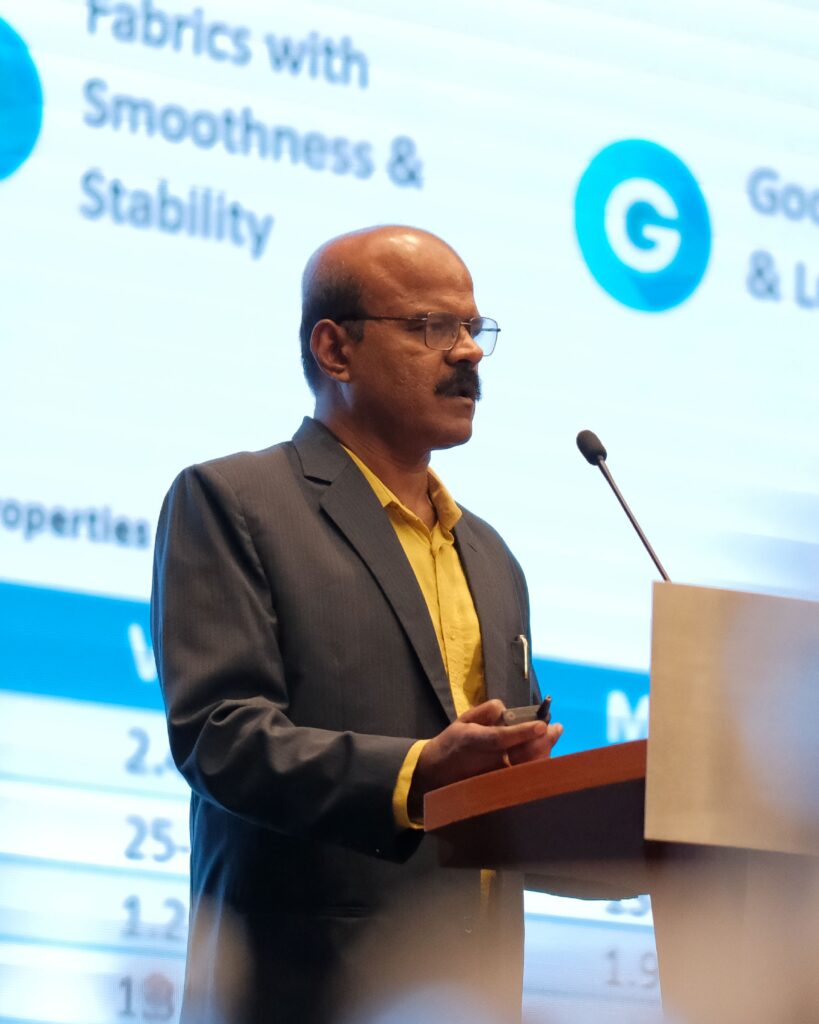
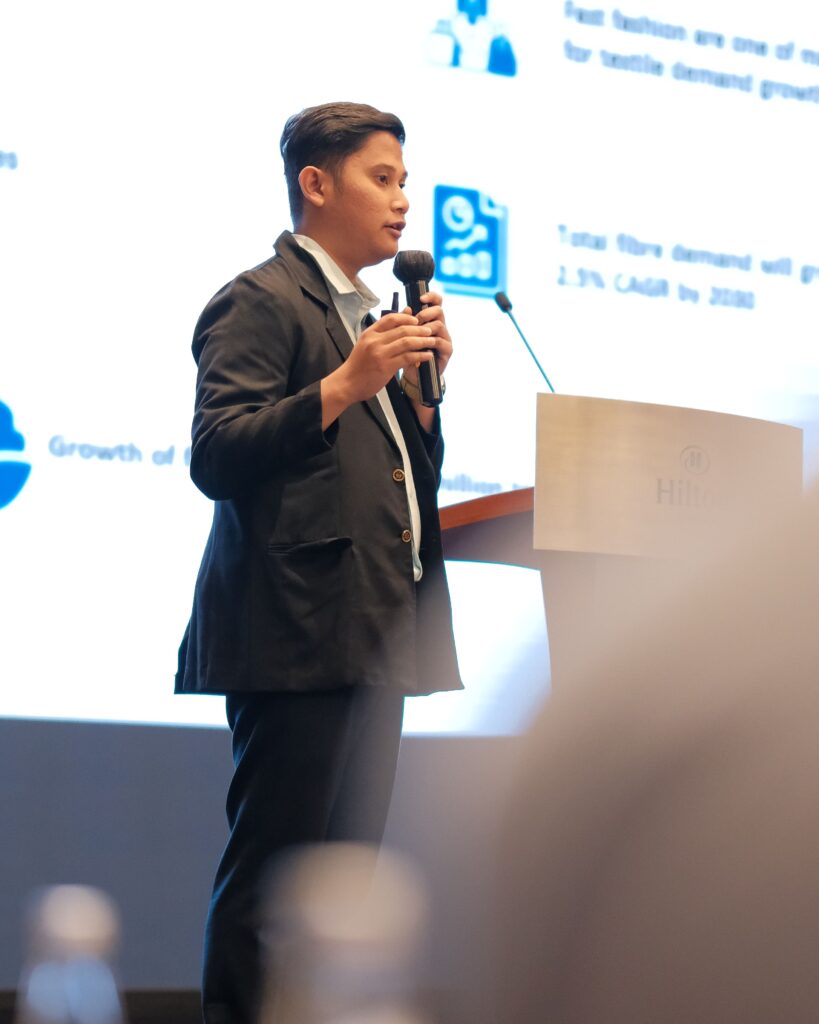
Leading textile manufacturers PT Mitra Jaya Sakti Sentosa (Bandung) and PT Duniatex (Solo) shared their implementation case studies, illustrating how disciplined processing and technical alignment can deliver high-quality lyocell fabrics at scale.
A key takeaway was the importance of aligning mechanical and chemical processes in manufacturing. Representatives from Italian textile machinery leader Biancalani also shared their expertise on machine settings and process optimisation, showing how synchronising washing, dyeing and finishing steps can control fibrillation and ensure consistent fabric performance.
From Technical Interest to Commercial Scale-Up
The strong engagement across both Bandung and Solo reflected a clear trend: Indonesian mills are eager to integrate lyocell into their product lines, but they require greater technical confidence and process know-how to do so successfully.
“Our responsibility to our partners goes beyond consistent supply,” said Sachin Malik, Business Head at APR. “We see ourselves as an integrated partner, working closely with mills to equip them with the knowledge, tools, and technical expertise needed to achieve consistent, high-quality outcomes and accelerate adoption.”
Post-event feedback was positive. Nearly 85% of attendees not currently using lyocell expressed interest in exploring the use of the fibre, highlighting the growing readiness among Indonesian textile producers to embrace higher-value, sustainable materials.
By combining technical expertise, ecosystem collaboration and proactive market development, APR aims to reduce adoption barriers and drive broader integration of lyocell across Indonesia’s textile sector.