


IDFL India recently hosted “Kolkata Connect – Building Credibility Through Global Standards,” a knowledge-sharing seminar aimed at bringing together manufacturers, exporters, consultants, and industry stakeholders from across East India. The event served as a platform for discussing the growing importance of sustainability, traceability, and internationally recognized certification standards in the textile and material supply chains.
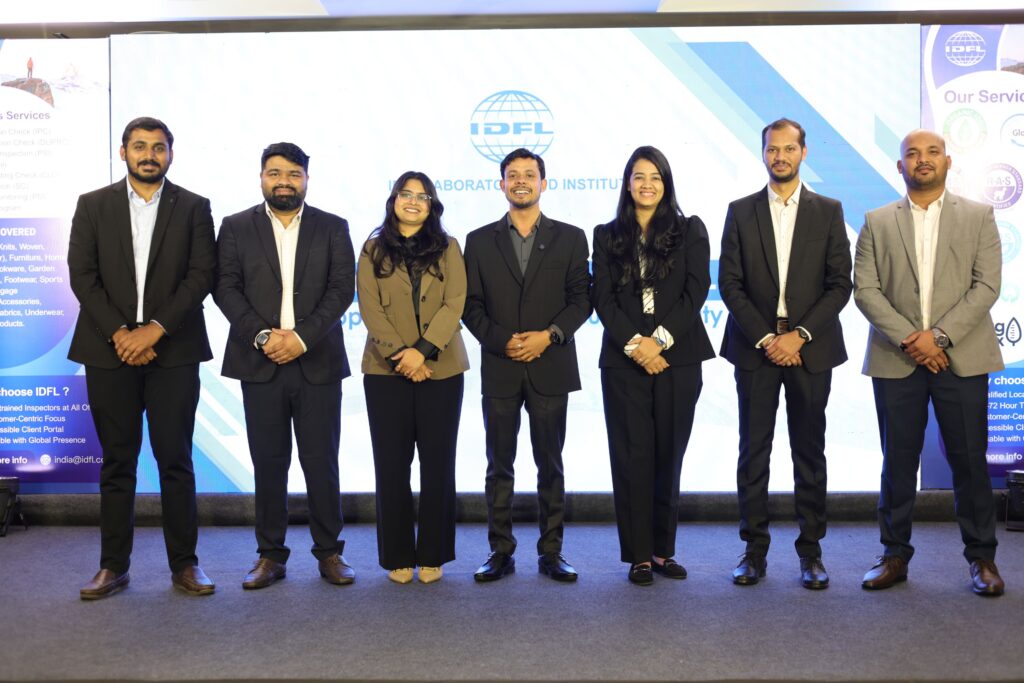
Held in Kolkata, a key hub for textiles, garments, jute, and export-oriented industries, the seminar attracted a diverse audience of industry professionals keen to deepen their understanding of certification frameworks that are increasingly demanded by global brands and retailers.
The seminar began with an introduction to IDFL India and its services, highlighting the organization’s role as a trusted third-party testing, inspection, and certification partner. With decades of global experience, IDFL supports businesses across the supply chain through services such as audits, certifications, and traceability verification.
The sessions that followed provided detailed insights into several major international standards that are shaping sustainable supply chains today. These included GOTS (Global Organic Textile Standard) and OCS (Organic Content Standard), which focus on verifying organic fibres and ensuring traceability from raw material to finished products.
Participants were also introduced to GRS (Global Recycled Standard) and RCS (Recycled Claim Standard), which help validate recycled content in products and ensure responsible processing and transparency across the supply chain. With increasing consumer awareness around circularity and resource efficiency, recycled standards are becoming increasingly important for manufacturers and exporters seeking to meet global sustainability expectations.
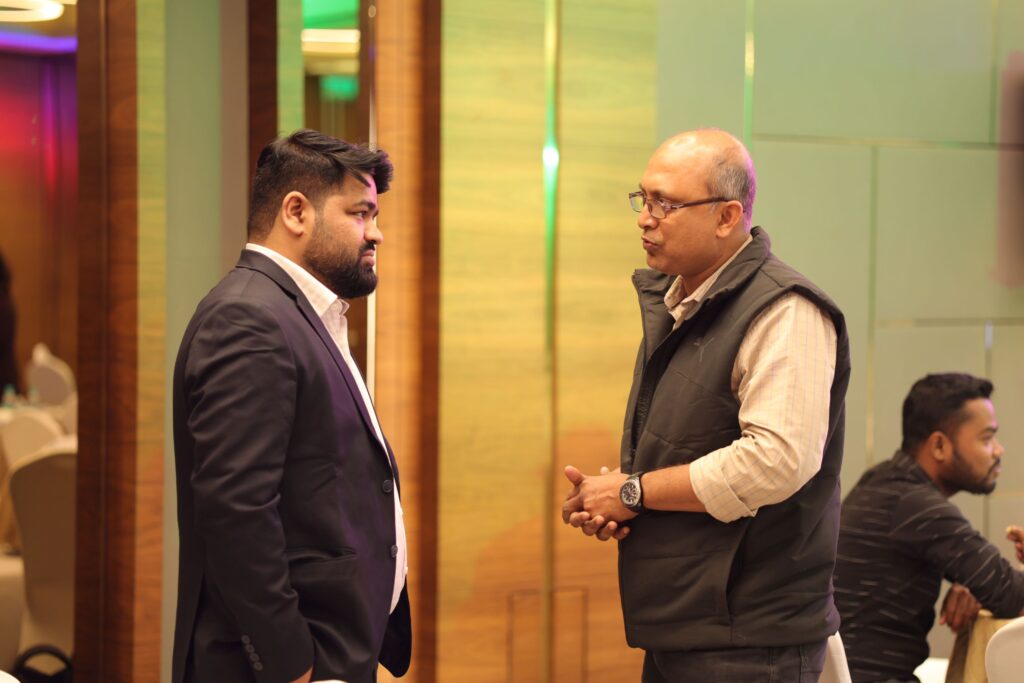
The seminar further covered the Better Cotton initiative, which promotes responsible cotton sourcing practices, as well as the FSC (Forest Stewardship Council) standard, relevant for companies involved in paper, packaging, and forest-based materials.
A dedicated session on Transaction Certificates (TCs) explained how traceability is maintained within certified supply chains and how proper documentation supports credibility and transparency in international trade.
Beyond the technical sessions, Kolkata Connect also served as an opportunity for participants to engage in meaningful discussions with industry peers and the IDFL team. The event concluded with a networking dinner, allowing attendees to exchange insights, explore collaboration opportunities, and discuss evolving compliance requirements in global markets.
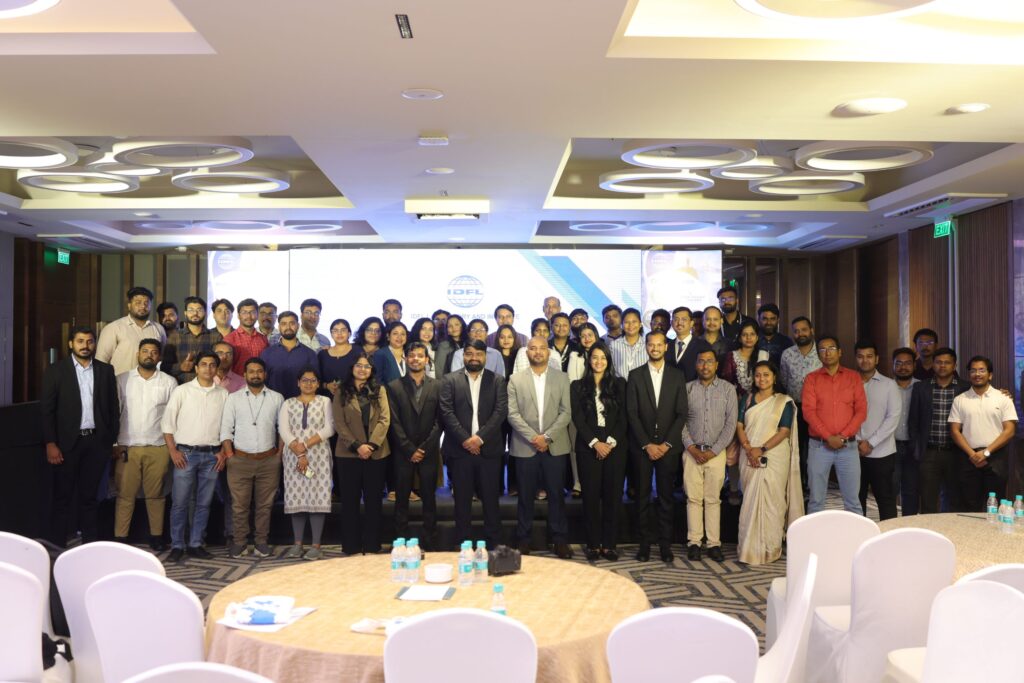
Through initiatives such as Kolkata Connect, IDFL India continues to support the textile and allied industries by promoting awareness of global certification standards and providing practical guidance on achieving and maintaining compliance.
Supporting Sustainable Manufacturing through Higg FEM Verification
In addition to certification services, IDFL India also plays an important role in environmental performance verification through the Higg Facility Environmental Module (Higg FEM). Developed by the Sustainable Apparel Coalition, Higg FEM is widely recognized as a standardized tool for measuring and improving environmental performance across manufacturing facilities.
Higg FEM enables facilities to assess their environmental impact across key areas such as energy use, greenhouse gas emissions, water management, wastewater treatment, air emissions, waste management, and chemical management. By using a consistent framework, the tool allows manufacturers and brands to evaluate environmental practices and identify opportunities for improvement.
However, to ensure the credibility and accuracy of self-assessment data, independent verification is essential. This is where verification bodies such as IDFL India play a critical role. Through Higg FEM verification, trained verifiers review facility submissions, validate data and documentation, and confirm that reported information accurately reflects on-ground practices.
Higg FEM verification services are designed to support facilities through a structured and transparent verification process. The organization’s experienced verifiers conduct thorough assessments while guiding facilities on documentation, system implementation, and compliance expectations. This helps facilities better understand the requirements and improve their environmental management systems over time.
For Textile Sectors, verified Higg FEM assessments provide several advantages. They enhance credibility with global brands and retailers, demonstrate commitment to environmental responsibility, and help facilities align with international sustainability expectations. Verified assessments also support data transparency, which is becoming increasingly important as companies face growing pressure to disclose environmental performance.
As sustainability continues to move to the forefront of the textile and apparel industry, tools like Higg FEM are playing an increasingly important role in driving measurable environmental improvements. With its expertise in verification and compliance services, IDFL India remains committed to helping manufacturers navigate these evolving requirements and strengthen their sustainability performance.
Through industry engagement initiatives like Kolkata Connect and services such as Higg FEM verification, IDFL India continues to contribute to the development of credible, transparent, and sustainable supply chains across the textile sector.