


By MK Prabhakar
Surat-based Kansal Spinning Mills Private Limited has established itself as a manufacturer of a wide range of natural and synthetic yarns. Kansal Spinning Mills is part of the diversified Kansal Group, with interests spanning yarn trading, spun yarn, fabrics and real estate.
We caught up with Ayush Kansal, Director, Kansal Spinning Mills, for an exclusive chat, to learn more about the company’s journey, product portfolio, manufacturing capabilities and future plans.

A Strong Textile Legacy
Kansal Spinning Mills may have been established only in 2023, but the group behind it has a much longer association with the textile industry.
“Kansal Spinning Mills was established in 2023. But we were not new to textiles. The Kansal Group, which was established in 1988, has always been a well-known name in the textile industry. Yarn trading has been one of our key businesses, and we were also pioneers in the introduction of texturizing machines,” Ayush said.
The experience gained over decades in textile trading and allied businesses has helped the company understand changing customer requirements and build a diverse product portfolio.
A Wide Product Basket
One of the major strengths of Kansal Spinning Mills is the variety of yarns it offers. The company works with both natural and synthetic fibres and caters to several segments of the textile industry.
“We offer a huge product basket, ranging from natural fibres such as linen blends to synthetic fibres such as polyester, rayon fibres, aramid and other technical textile yarns. We cater to a wide range of applications, including home furnishings, technical textiles, weaving, garmenting and filtration,” Ayush explained.
This diverse product range allows the company to address requirements across conventional textile applications as well as specialised and technical segments.
Modern Manufacturing Facility
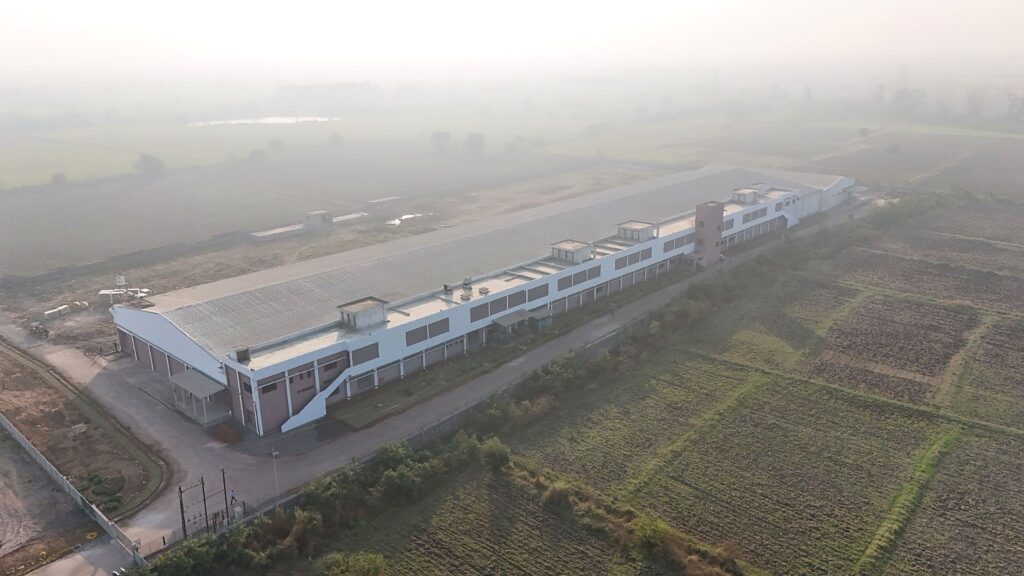
The company has steadily expanded its manufacturing capacity since its inception. Starting with 26,000 spindles, Kansal Spinning Mills has now grown to 67,000 spindles across four different lines.
“Our focus is not limited to higher production but also on superior quality. Our plant is designed for export-quality production. We follow all the required norms and have obtained the necessary certifications. Our motto is simple – we want to offer the best quality so that both the customer and the industry benefit and grow,” Ayush said.
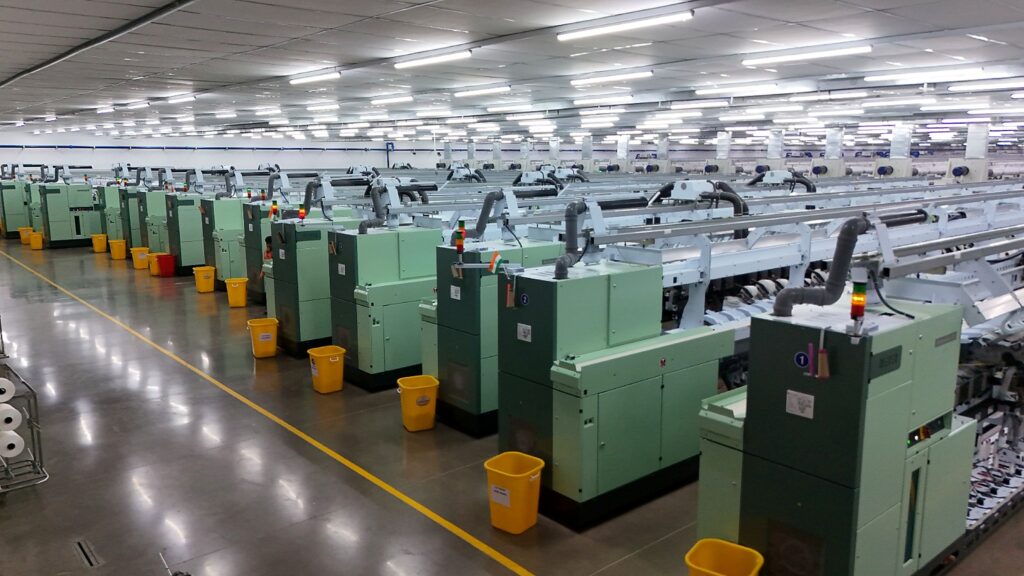
A key feature of the facility is its New Product Development (NPD) Centre, where the company works closely with customers to develop yarns suited to specific applications and emerging market requirements.
Customer-Centric Product Development
According to Ayush, the NPD Centre is an important differentiator for the company. “Our first strength is the sheer variety of products we offer. From natural fibres and synthetics to technical textiles, we work with a versatile range of requirements. Then we have our NPD Centre. We do not simply develop a yarn and keep it with ourselves. We show it to the end-user, take their feedback and work with the entire supply chain. This approach has been one of the cornerstones of our success story,” he said.
Kansal Spinning Mills is also gradually strengthening its presence in international markets. The company currently exports its yarn to South Korea and Egypt and plans to expand into markets such as Bangladesh, Vietnam and the European Union.
Embracing Sustainability
Sustainability is another area of focus for the company. Its product portfolio includes sustainable options such as recycled polyester and recycled viscose. The company also reuses waste generated during manufacturing.
“We have 0 percent pollution emission in any form, and around 80 per cent of the energy we use to run our plant comes from green energy. Sustainability is therefore an important part of our operations,” Ayush pointed out.
Looking Ahead
Kansal Spinning Mills has ambitious plans for the coming years. After building a strong portfolio of man-made fibre and linen-blend yarns, the company is looking to enter vortex spinning and cotton blends.
“We also have plans to move towards an integrated process with our own garmenting, weaving and other operations. This will help us strengthen our presence across the textile value chain,” Ayush concluded.