


By K. Gopalakrishnan
Speciality lubrication solutions are playing an increasingly strategic role in enhancing textile machinery performance, improving operational reliability and reducing the environmental footprint of manufacturing. With more than 90 years of expertise, Klüber Lubrication continues to develop application-specific solutions that address the evolving requirements of the textile industry. From high-speed spinning and knitting machinery to weaving and finishing applications, the company’s focus extends beyond lubrication products to encompass energy efficiency, predictive maintenance and technical support.
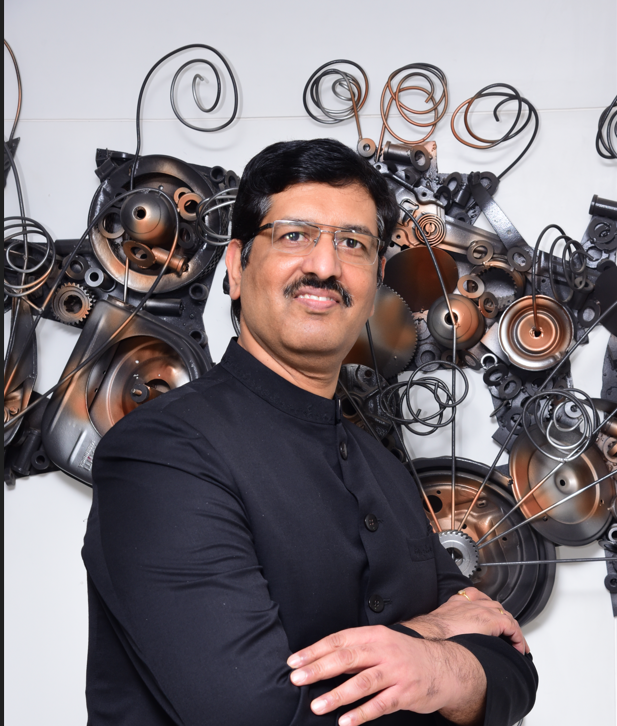
In this interview, Hitendra Bhargava, CEO & Regional Management Board Member – Asia Pacific, Klüber Lubrication, discusses the company’s evolving portfolio for the textile industry, its technology approach, collaboration with machinery OEMs, sustainability initiatives and growth priorities. He also explains how speciality lubrication, combined with technical expertise and condition-based maintenance, can help textile manufacturers improve equipment efficiency, extend component life and optimise total cost of ownership.
Sharing excerpts from the interview
The Textile Magazine: Klüber Lubrication has been developing speciality lubrication solutions for industrial applications for more than 90 years. How has your portfolio for the textile industry evolved, and what are the key lubrication requirements you address across the textile manufacturing value chain, from spinning and knitting to weaving and finishing?
Hitendra Bhargava: Our textile portfolio has evolved alongside the demands of faster machines, longer operating cycles and consistent fabric quality. Today, it covers spindle and bearing lubrication in spinning, scourable needle and sinker oils in knitting, gear lubrication in weaving, and chain and bearing lubrication in finishing.
Each solution addresses specific component requirements, with the aim of reducing wear, extending service intervals and maintaining reliable production.
TM: Textile machinery operates under demanding conditions, including high speeds and loads, temperature and humidity fluctuations, and exposure to water, steam and chemicals. How does Klüber approach the development of lubricants that are specifically engineered for these diverse operating environments and individual machine components?
HB: We begin with the component and its operating conditions: speed, load, temperature, moisture, chemical exposure and material compatibility. These determine the lubricant’s base oil, viscosity and additives.
High-speed bearings require different properties from stenter chains or bearings exposed to process chemicals. We use specialised testing and application experience to assess performance, including wear protection, thermal stability and compatibility with seals and other machine materials.

TM: How closely does Klüber work with textile machinery OEMs in developing and validating lubrication solutions? What role does this collaboration play in improving machine efficiency, service life, reliability and maintenance intervals?
HB: We work closely with textile machinery OEMs, including during component development and machine design. This allows lubrication requirements to be considered early and evaluated through testing and operating experience.
The collaboration connects lubricant chemistry with machine engineering, helping improve efficiency, component life and reliability. It also provides a sound technical basis for maintenance recommendations, so manufacturers can pursue longer service intervals appropriate to their equipment and operating conditions.
TM: Sustainability is becoming an increasingly important requirement for textile manufacturers. How can the right speciality lubricant contribute to lower energy and resource consumption, reduced waste, longer component life and lower overall environmental impact?
HB: The contribution starts at the friction point. The right lubricant can reduce energy losses, protect components against premature wear and extend lubricant service life.
Precise application can also lower consumption and disposal volumes, while reduced fabric contamination can help limit rejects. These benefits support both operating efficiency and responsible resource use. We measure energy performance under representative conditions, giving customers evidence on which to base their decisions.
TM: Klüber has highlighted a case where a synthetic gear oil increased productivity by 150% and extended maintenance intervals from 8,000 to 20,000 hours. What were the key factors behind this improvement, and what does this demonstrate about the relationship between lubrication, machine performance and total cost of ownership?
HB: The decisive factor was matching the synthetic gear oil to the machine’s design requirements. The published example reports a 150% productivity increase, with maintenance intervals extended from 8,000 to 20,000 hours.
It illustrates how closely lubrication and machine performance are connected. For operators, the value should be assessed across the operating cycle: production availability, maintenance effort, resource consumption and operating costs all contribute to total cost of ownership.
TM: Beyond speciality lubricants, Klüber offers services such as energy measurements, automatic lubrication systems and the KlüberEfficiencySupport programme. How are these services helping textile manufacturers identify hidden losses, optimise lubrication practices and improve overall equipment efficiency
HB: Our services make lubrication performance visible and actionable. Energy measurements identify savings potential and verify results using IPMVP principles.
Klüber Energy Efficiency combines lubrication planning, lubricant condition analysis, training and technical guidance, while automatic dispensers help control delivery quantities and intervals. Together, these services help mills address excess consumption, lubrication errors and avoidable downtime.
The objective is a more consistent maintenance process that supports equipment availability and production efficiency.
TM: With increasing automation, higher machine speeds and the growing emphasis on predictive and condition-based maintenance, how is Klüber incorporating new technologies, testing capabilities and data-driven approaches into its lubrication solutions and technical support for textile machinery?
HB: We combine specialised lubricant testing with laboratory analysis and operating data. We track maintenance tasks, lubricant analyses and equipment information together, while condition monitoring can add sensor data on temperature, vibration and oil condition.
Our experts interpret these findings to support earlier detection of deterioration and better maintenance decisions. As textile machinery becomes faster and more automated, this combination helps customers manage lubrication according to actual equipment condition.
TM: Looking ahead, what are Klüber Lubrication’s priorities for the textile industry? Which areas—such as energy efficiency, longer service intervals, automation, sustainable lubricants, new textile machinery applications or closer OEM partnerships—do you see offering the greatest opportunities for the next phase of growth?
HB: We see the greatest opportunities in combining energy efficiency, longer service intervals and condition-based maintenance. Closer OEM collaboration can help us address evolving machine requirements, while precise lubricant delivery and application-specific formulations can support lower resource consumption.
Our focus is on practical progress for textile manufacturers: fewer production interruptions, longer component life and measurable operating value. These outcomes provide a strong foundation for the industry’s next phase of growth.
Making Lubrication a Strategic Driver of Textile Manufacturing Efficiency
As textile manufacturing advances towards higher productivity, greater automation and more sustainable operations, speciality lubrication is becoming an integral part of the industry’s technology and maintenance strategy. As highlighted by Hitendra Bhargava, the role of lubrication extends well beyond conventional equipment maintenance, encompassing energy efficiency, component protection, production reliability and measurable improvements in operating performance.
Klüber Lubrication’s approach combines application-specific formulations, close OEM partnerships, technical services and condition-based maintenance to help textile manufacturers address increasingly demanding production requirements. The opportunity for the industry lies in recognising speciality lubrication as a strategic investment rather than merely a maintenance expense. By reducing friction-related losses, extending component life and improving equipment availability, the right lubrication solutions can contribute directly to operational efficiency, resource optimisation and long-term competitiveness.