


By Rajesh Rajgor
The Indian logistics sector is navigating one of its most dynamic phases in recent years. Geopolitical tensions, volatile fuel prices, shifting trade routes, and evolving customer expectations are forcing logistics companies to rethink traditional operating models. For V-Trans Group, however, these challenges are being approached as opportunities to strengthen resilience, improve efficiency, and deepen customer partnerships.
According to Mr. Mahendra Shah, Managing Director, V-Trans Group, the ability to maintain operational stability amid uncertainty has become a critical differentiator in the logistics business.
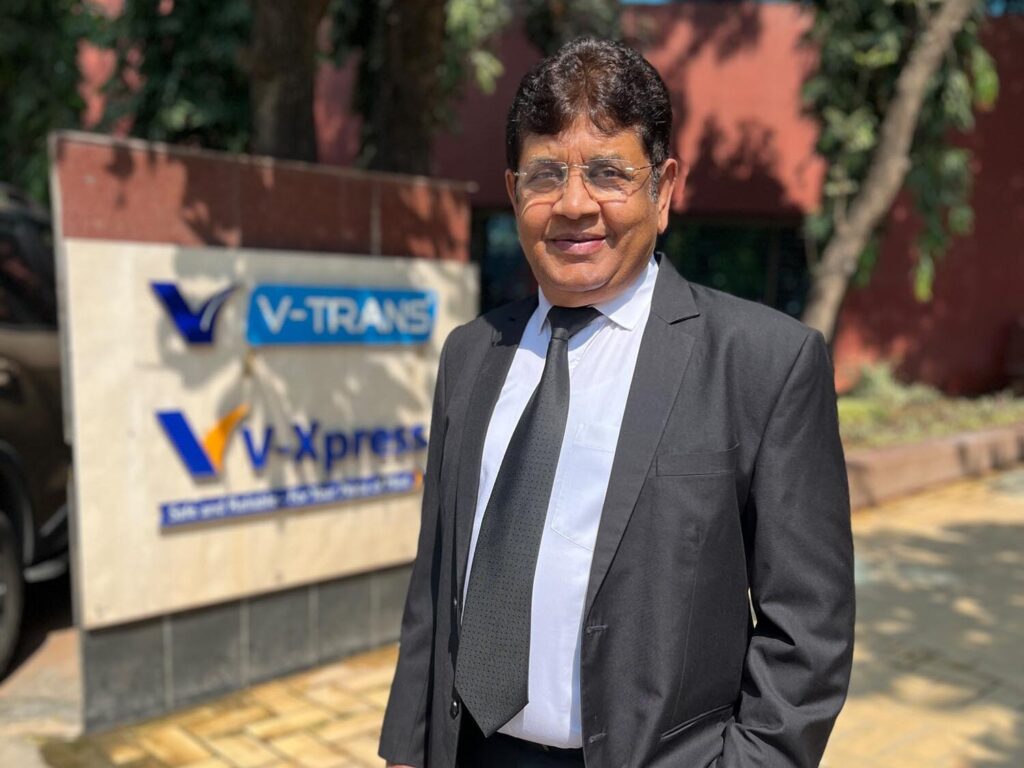
“The logistics industry is facing multiple global challenges today, from geopolitical uncertainties to fluctuating fuel prices and supply chain disruptions. Our focus remains on maintaining operational stability through strong network planning, route optimization, and close coordination with customers,” says Mr. Shah.
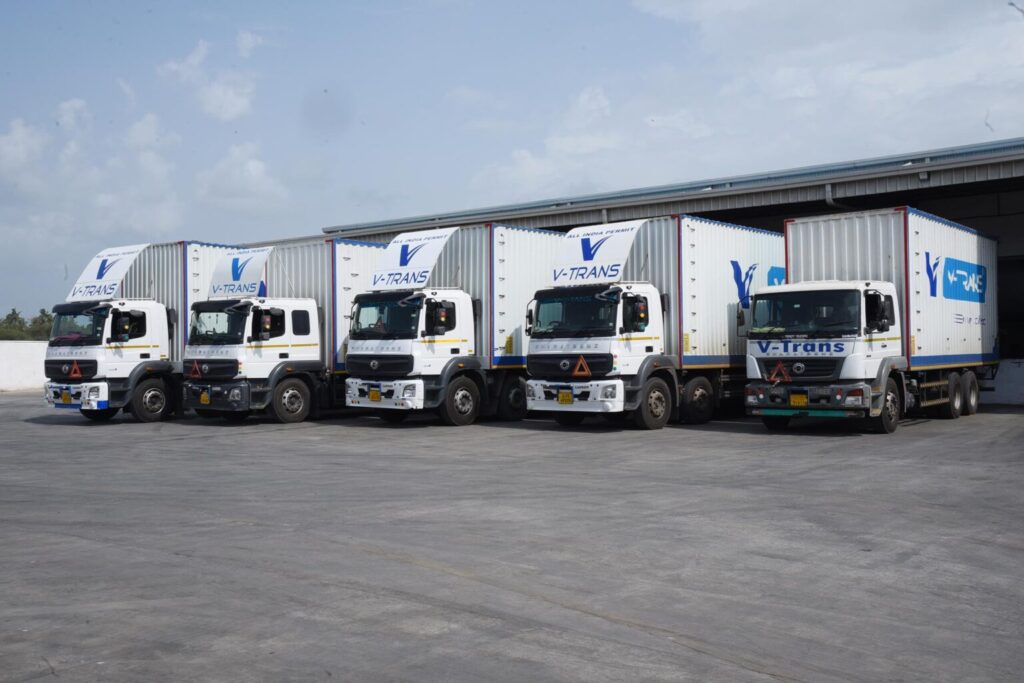
With an extensive pan-India network and a flexible operating structure, V-Trans has been able to respond quickly to changing market conditions while ensuring uninterrupted service across diverse industry segments. The company believes that adaptability, rather than scale alone, is increasingly becoming the key to navigating a rapidly changing business environment.
At the same time, rising fuel costs continue to exert pressure on logistics operations across the country. While the industry is witnessing increasing cost burdens, V-Trans is focused on balancing profitability with customer value.
Managing Cost Pressures
Fuel cost volatility remains one of the most significant concerns for transport and logistics companies. Instead of relying solely on price revisions, V-Trans has adopted a multi-pronged approach aimed at improving operational efficiency.
“Our approach is highly balanced and customer-centric. We are consciously working towards managing cost pressures efficiently without significantly impacting our customers’ budgets while continuing to deliver reliable logistics solutions,” he explains.
The company is focusing on improving fleet utilization, optimizing routes, reducing idle transit time, and strengthening operational monitoring. Preventive maintenance programs and efficient trip planning are also helping improve fuel efficiency while ensuring delivery commitments remain intact.
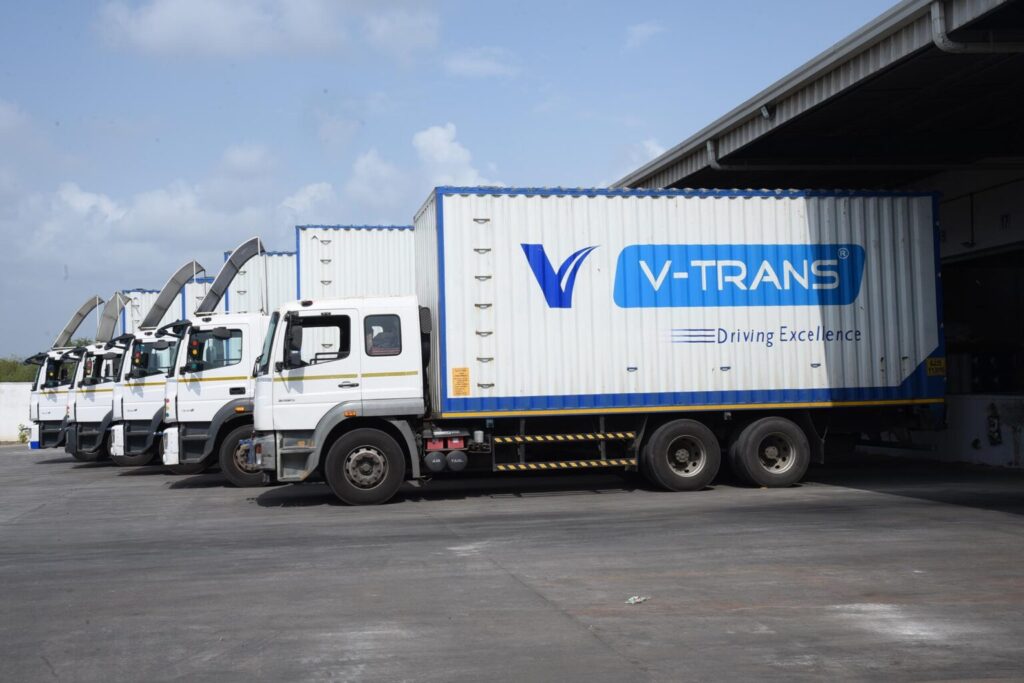
These initiatives not only help mitigate the impact of fuel price fluctuations but also contribute to improved service consistency and operational reliability across the network.
Changing Customer Expectations
The role of logistics has undergone a significant transformation over the last few years. Customers today expect much more than transportation services. Faster deliveries, real-time visibility, flexibility, and responsive service have become standard expectations across industries. As supply chains become increasingly complex, logistics providers are being viewed as strategic business partners rather than service vendors.
“Businesses today demand faster deliveries, greater visibility and dependable supply chain support. Logistics has evolved into a strategic function that directly impacts business performance and customer satisfaction,” he notes.
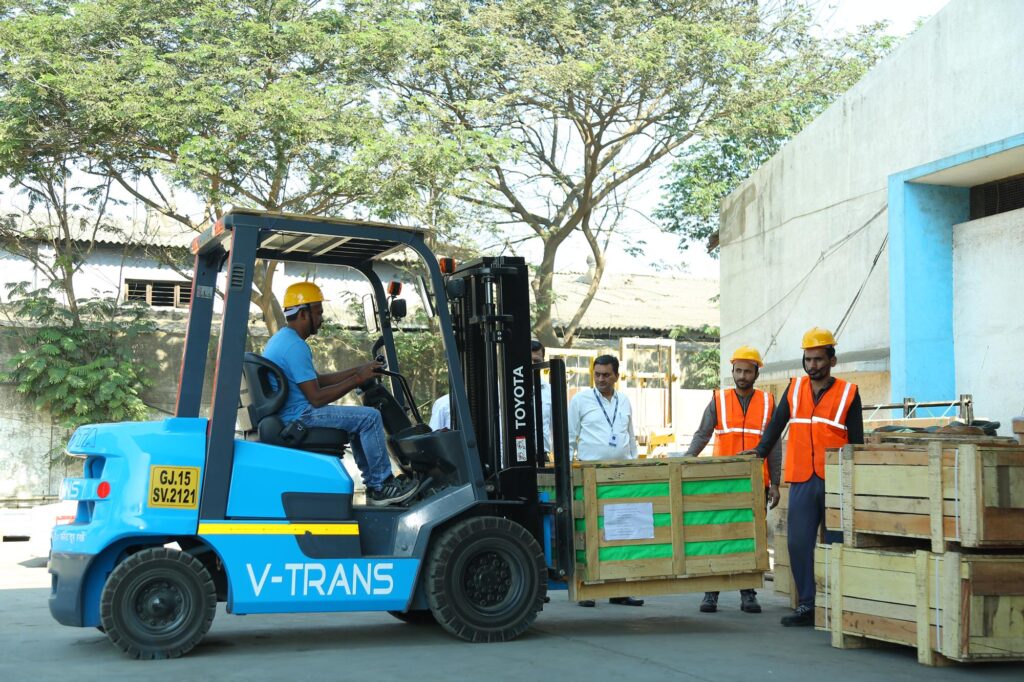
To address these changing requirements, V-Trans has strengthened service coordination, enhanced communication systems, and expanded its operational capabilities across sectors such as textiles, FMCD, engineering, and retail. The focus is on providing scalable and responsive logistics solutions that align with customers’ evolving business needs.
Driving Digital Transformation
Technology is emerging as one of the strongest enablers of efficiency and visibility in the logistics industry. At V-Trans, digitalization is playing a central role in improving shipment tracking, route planning, fleet monitoring, and overall operational coordination.
A key pillar of this transformation is the company’s proprietary Vijayant ERP platform, which has helped streamline operations and strengthen connectivity across its branch network. “Technology-driven logistics will play a defining role in the future of supply chains. Through platforms like Vijayant ERP, we are enhancing visibility, improving coordination, and creating greater transparency for our customers,” says Mr. Shah.
The ERP platform enables real-time shipment monitoring, faster decision-making, efficient documentation, and improved reporting capabilities. Combined with advanced communication systems, it is helping the company create a more connected and responsive logistics ecosystem.
Looking Ahead
Despite global uncertainties, the outlook for India’s logistics industry remains encouraging. Continued investments in infrastructure, multimodal transportation, manufacturing growth, and digital transformation are expected to create significant opportunities in the coming years.
Sectors such as textiles and apparel, which continue to be major contributors to India’s economy, will increasingly require efficient and reliable logistics support as they expand both domestically and globally. “We remain optimistic about the future of the Indian logistics industry. By strengthening our network, investing in technology, and enhancing customer-focused services, we are building a more connected, responsive, and future-ready logistics infrastructure,” concludes Mr. Shah.
As India’s supply chain ecosystem evolves, companies that can combine operational excellence with technology, agility, and customer-centricity will be best positioned to succeed. V-Trans is clearly working towards that vision, reinforcing its commitment to delivering reliability and value in an increasingly complex logistics landscape.