


What happens when one of India’s largest textile-processing regions faces growing pressure from water scarcity, stricter discharge norms, and rising sustainability expectations?
Across Rajasthan’s textile clusters, the answer is already unfolding. From Pali and Balotra to Jodhpur, manufacturers are rethinking how wastewater is treated, recovered, and reused. What was once a regulatory requirement is rapidly becoming a strategic business priority. The decisions manufacturers make today about water management, recovery, and reuse will increasingly influence operational resilience and long-term competitiveness. This transformation is redefining sustainability priorities, improving resource efficiency, and accelerating the adoption of smarter water management across Rajasthan’s textile sector.
Rajasthan’s Wastewater Mandate Is Driving a New Industry Mindset
Driven by stricter environmental regulations and growing concerns around water availability, Rajasthan’s textile industry is rethinking how wastewater is managed. What was once treated primarily as an environmental responsibility is now influencing broader operational and investment decisions. Across major textile regions, manufacturers are placing greater emphasis on resource efficiency, long-term reliability, and sustainable growth, signaling a significant shift in how water is valued within industrial operations.
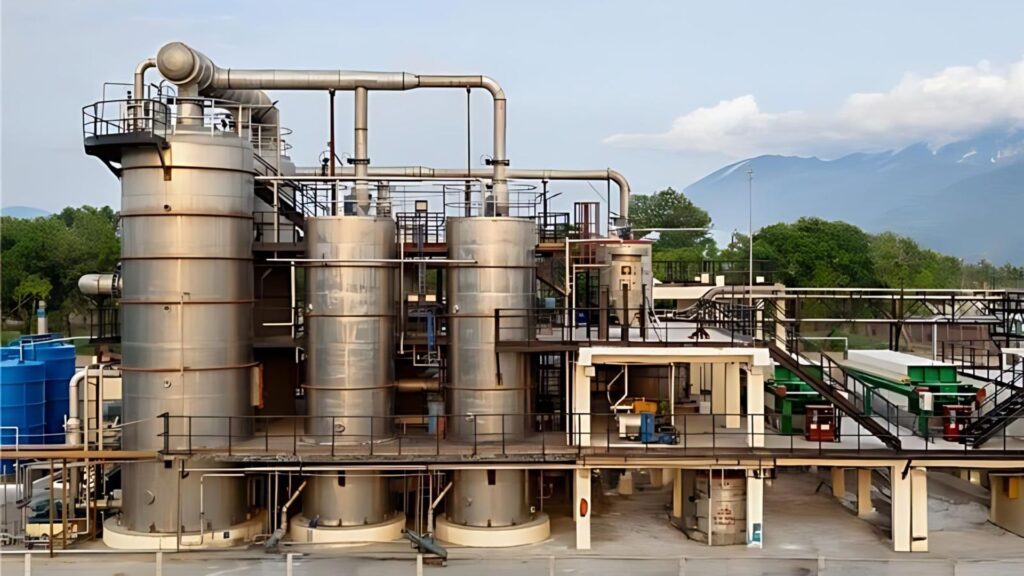
The Pali Model: Why Advanced Water Recovery Solutions Are Shaping Rajasthan’s Textile Future
Pali has emerged as one of the clearest examples of how urgently Rajasthan’s textile industry needs smarter wastewater solutions. With environmental expectations tightening and pressure mounting to reduce freshwater dependence, mills in the cluster can no longer rely on conventional treatment systems that only meet the minimum standard.
What Pali needed was a solution that could recover more water, reduce operating costs, and make ZLD goals achievable in practice. SED’s MVR-based Low Temperature evaporator (LTE®) technology is helping fill that gap, enabling greater water recovery, lower costs, and stronger long-term operational performance. In a region where every drop of water matters, Pali is now becoming a benchmark for how textile manufacturers can turn a critical challenge into a lasting competitive advantage.
“Water is no longer just an operational input; it is a strategic resource that will determine which businesses lead and which fall behind in the next era of manufacturing. The real question is no longer how to dispose of wastewater, but how boldly industries can recover value, strengthen resilience, and turn every drop into a competitive advantage. Those that act now will shape the future of sustainable manufacturing,” says Mr. Vimarsh Verma, Director, SED.
SED’s Multiple ZLD Projects in Jodhpur Signal a New Industrial Reality
Recent ZLD projects acquired for Jodhpur highlight a significant shift in how industries across Rajasthan are approaching wastewater management. As pressure mounts to improve water recovery, reduce freshwater dependence, and meet evolving environmental expectations, manufacturers are increasingly investing in advanced treatment technologies that deliver long-term value. SED’s patented LTE® (based on MVR) technology is playing a key role in this transition, enabling high water recovery from challenging effluent streams while improving operational efficiency. With nearly 99% water reuse, these projects demonstrate how wastewater is being transformed from a disposal challenge into a strategic resource for sustainable industrial growth.
Why Water Recovery Is Creating New Demands for Advanced Treatment Expertise
As textile manufacturers seek to improve resource utilization while controlling costs, the criteria for selecting wastewater treatment systems are changing. Technologies are no longer evaluated solely on their ability to meet discharge requirements. Decision-makers are increasingly focused on water recovery performance, energy consumption, operational reliability, lifecycle costs, and scalability. This shift is creating demand for advanced solutions that can deliver measurable business value alongside environmental performance.
How SED’s MVR-based LTE® Technology Is Reshaping Rajasthan’s Textile Water Future
As compliance demands intensify, the real challenge is no longer compliance; it’s profitability. Outdated treatment systems can drain energy, increase operating costs, and limit recovery potential. SED’s patented LTE® technology changes the equation, enabling higher water recovery from high-TDS effluents while reducing energy demand, lowering operating costs, and delivering stronger long-term returns.
The Textile Leaders of Tomorrow Will Be Defined by Their Water Strategy
Global textile markets are changing fast, and the cost of falling behind is rising. Buyers increasingly favor manufacturers that can prove responsible water management and sustainable operations. Those struggling with water recovery, rising treatment costs, or compliance risks may find competitiveness slipping away. The future belongs to manufacturers that treat water as a strategic asset.