


By K. Gopalakrishnan
Preserving Quality Across Industries Through Science and Innovation
For over a decade, Cilicant has built a strong reputation as one of the leading providers of active packaging solutions, helping manufacturers protect their products from moisture, oxygen, odour and other environmental factors that can compromise quality. Founded in 2011, the company has emerged as a trusted partner to global pharmaceutical and healthcare companies, while steadily expanding its expertise into a wide range of industries.

Under the leadership of Mr. Manish Jain, Founder and Managing Director, Cilicant has transformed from a specialized desiccant manufacturer into a comprehensive product protection solutions provider with a growing global presence. Guided by its brand promise, “Preserving the Priceless,” the company continues to help manufacturers ensure that products maintain their intended quality from production to consumption.
Building a Foundation of Quality and Compliance
Cilicant’s journey has been defined by a relentless focus on quality, innovation and regulatory excellence. Recognizing the stringent requirements of the pharmaceutical industry, the company invested early in building manufacturing and quality systems aligned with global standards.
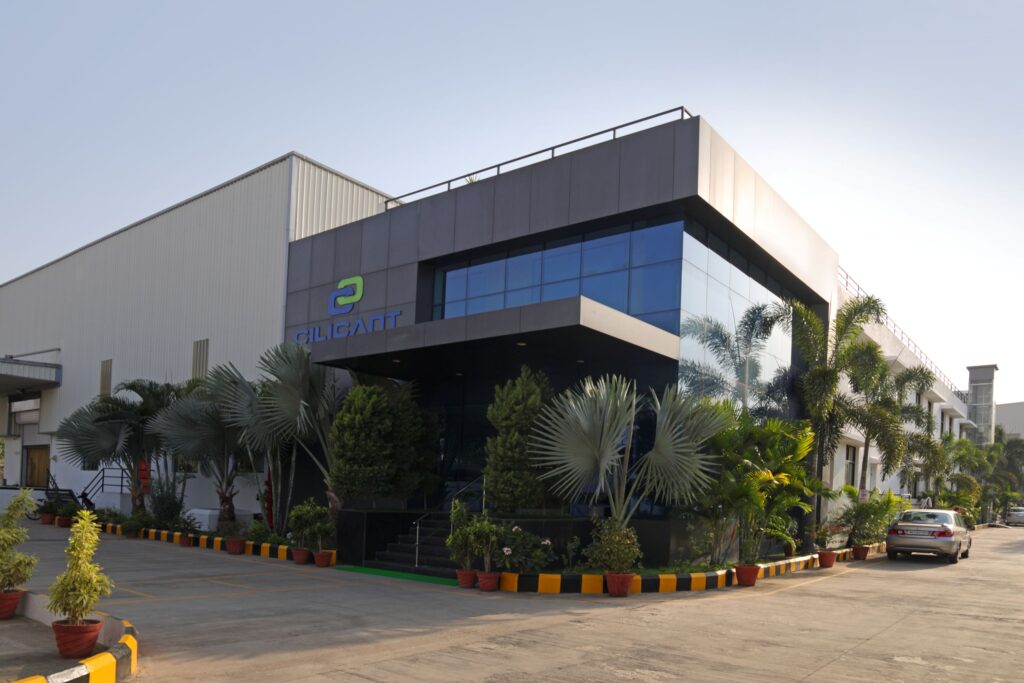
Today, Cilicant operates two manufacturing facilities and a dedicated research and development center, supported by controlled clean-room production environments, automated warehouse management systems, in-house printing capabilities and comprehensive traceability systems. The company has secured an impressive portfolio of certifications, including ISO 9001, ISO 14001, ISO 45001, ISO 15378, cGMP practices and US FDA registration.
According to Mr. Jain, quality is not merely about meeting specifications but about delivering consistent performance and reliability when customers need it most. This philosophy has enabled Cilicant to establish itself as a preferred partner for customers across pharmaceuticals, healthcare, nutraceuticals, food and other quality-sensitive industries.
Innovation as a Competitive Advantage
As global supply chains become increasingly complex, product protection requirements continue to evolve. Cilicant has responded by placing research and development at the center of its growth strategy.
The company has invested extensively in material science, packaging technologies and performance testing to develop solutions capable of addressing changing environmental conditions and packaging challenges. These efforts have resulted in a portfolio supported by more than 50 patents, reflecting the company’s commitment to continuous innovation.
“Products today travel through multiple climatic zones and are exposed to varying humidity and temperature conditions before reaching consumers,” explains Mr. Jain. “Protecting product quality throughout this journey requires far more than conventional desiccants. It requires science-based solutions tailored to specific applications.”
Bringing Active Packaging Expertise to the Textile Industry
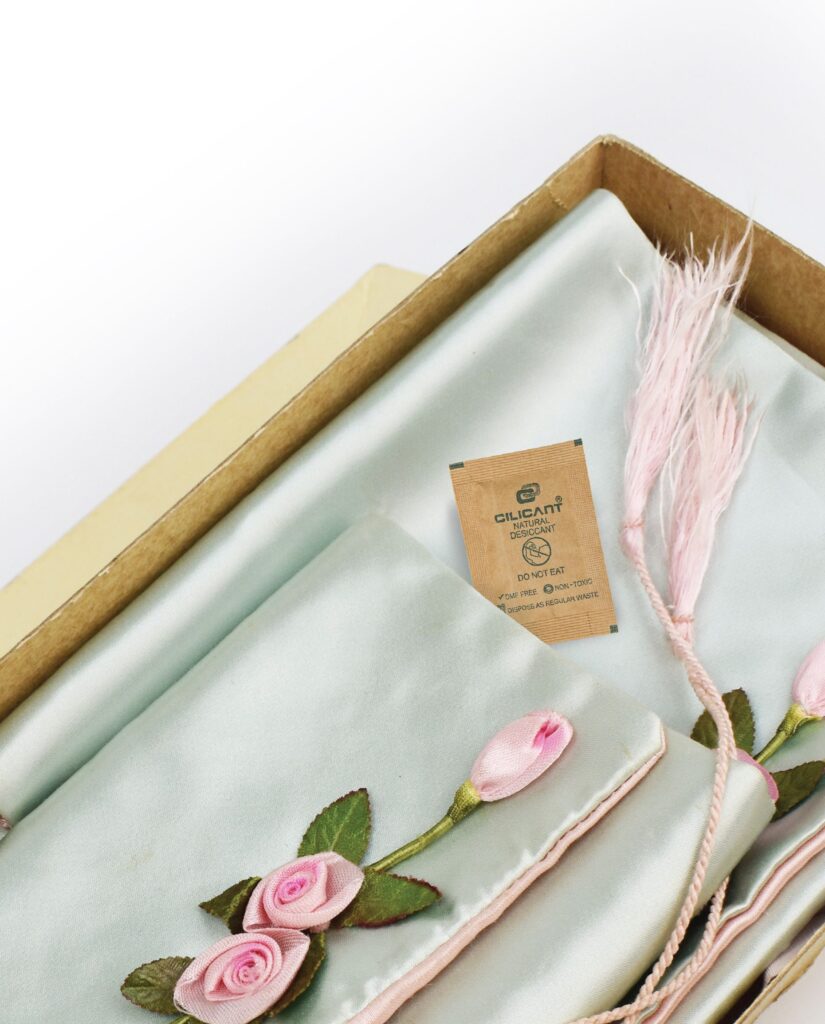
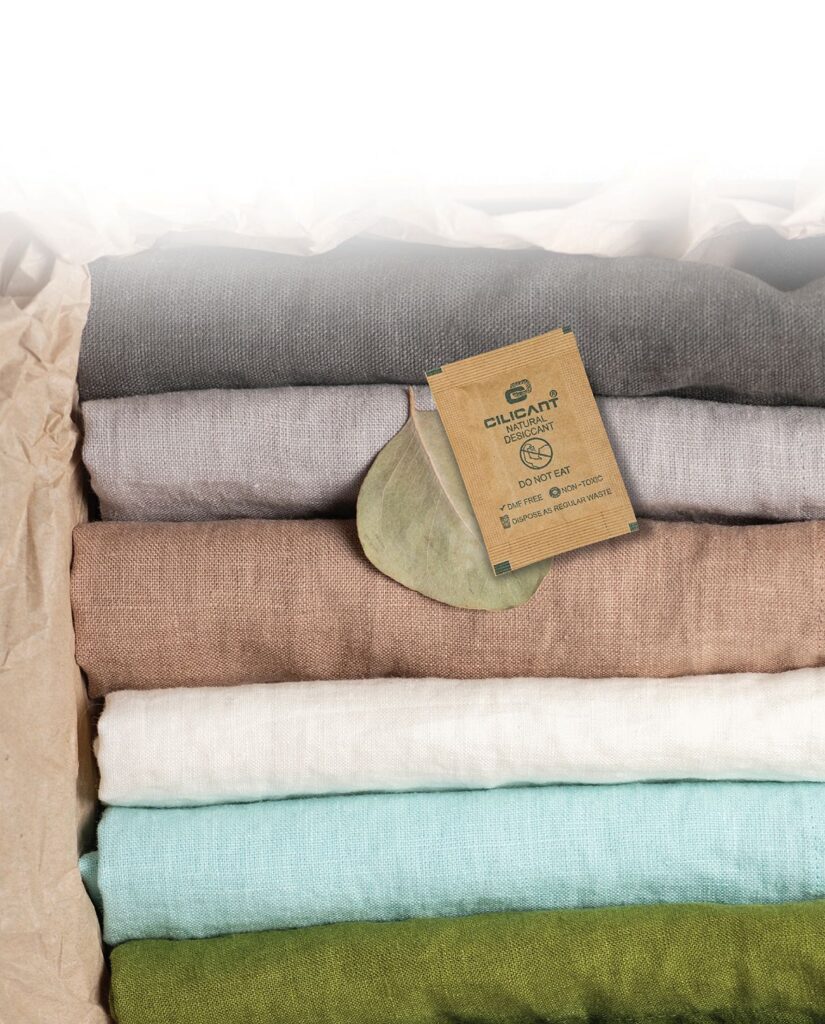
While Cilicant’s roots are firmly embedded in the pharmaceutical sector, the company is now leveraging its extensive product protection expertise to address challenges in the textile industry.
India’s position as one of the world’s leading textile manufacturing and export hubs presents significant opportunities for active packaging solutions. Textile products often travel long distances through diverse climatic conditions before reaching consumers, making them vulnerable to moisture-related damage during storage and transportation.
According to Mr. Jain, the challenges faced by textile manufacturers are remarkably similar to those encountered in pharmaceutical supply chains.
“Textile manufacturers invest significant effort in producing high-quality fabrics, garments, home textiles and rugs. However, if moisture damages these products during storage or transit, the customer never experiences the quality that was originally created,” he says.
Addressing Moisture Risks Across the Textile Supply Chain
Moisture remains one of the most underestimated threats in the textile value chain. Excess humidity can result in mould and mildew growth, fungal contamination, unpleasant odours, staining, packaging damage and deterioration of product appearance.
The challenge becomes particularly acute during exports, where products may spend several weeks in shipping containers while passing through different climatic regions. During this journey, moisture accumulation inside packaging and containers can lead to substantial product losses and customer complaints.
While conventional silica gel solutions have traditionally been used to manage these risks, Mr. Jain believes today’s global supply chains require more sophisticated moisture management strategies.
Rather than simply supplying desiccants, Cilicant focuses on understanding customers’ packaging configurations, storage conditions, transportation routes and environmental exposure. This enables the company to develop customized protection strategies that help products reach retailers and consumers in the same condition in which they left the manufacturing facility.
Customized Solutions for a Diverse Industry
Recognizing the diversity of textile applications, Cilicant has adopted a consultative approach to the market. The company offers a range of solutions designed for primary packaging, export shipments and long-term storage applications.
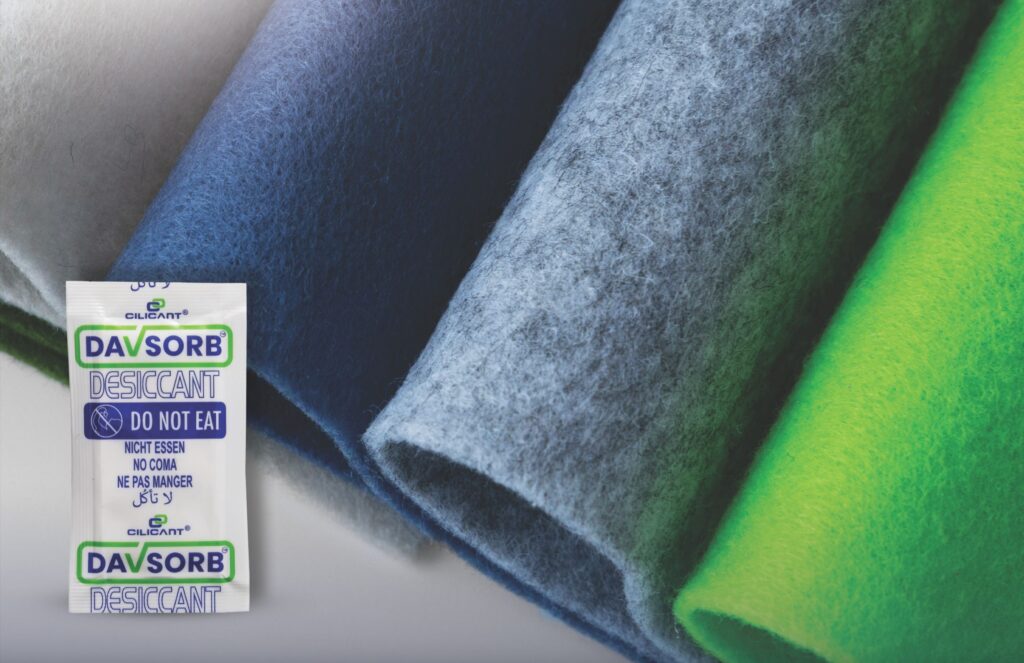
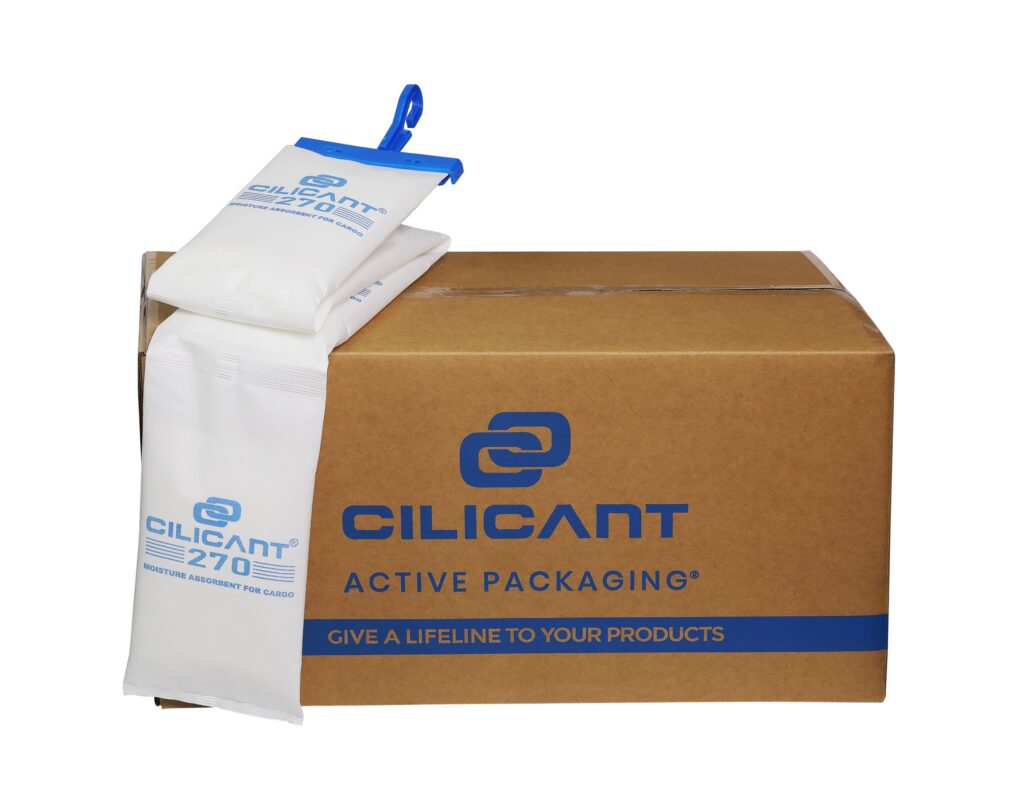
Its portfolio includes moisture management solutions, container desiccants and environmentally conscious natural desiccant options that align with growing sustainability objectives across the textile industry.
Mr. Jain emphasizes that no two supply chains are identical. “Our objective is to recommend the right protection strategy for each customer’s unique requirements rather than offering a one-size-fits-all solution,” he notes.
Supporting Sustainability and Long-Term Value Creation
As sustainability becomes increasingly important across global textile supply chains, Cilicant is aligning its growth strategy with responsible manufacturing and environmental stewardship.
The company’s recent EcoVadis Bronze Rating reflects its ongoing efforts to improve environmental, social and governance performance. Beyond product protection, Cilicant sees an opportunity to help customers reduce waste, minimize product losses and improve resource efficiency throughout the supply chain.
Looking ahead, Mr. Jain believes active packaging will play a critical role in helping textile manufacturers preserve product quality, strengthen brand reputation and improve customer satisfaction.
“Our vision extends beyond moisture management,” he says. “We want to help manufacturers preserve value, reduce waste and ensure that the quality they work so hard to create reaches consumers exactly as intended.”
As India’s textile industry continues to expand its global footprint, innovative product protection solutions are likely to become an increasingly important component of supply chain excellence. With its strong foundation in pharmaceutical-grade quality systems, extensive innovation capabilities and growing focus on textiles, Cilicant is well positioned to support the industry’s journey toward higher quality, sustainability and customer satisfaction.