


By K. Gopalakrishnan
From a hosiery manufacturer established in 1957 to one of India’s leading branded apparel companies, Lux Industries has built its seven-decade journey around manufacturing scale, brand equity, distribution strength and consumer trust. As it enters its next phase, the company is committing ₹600 crore to nearly treble the capacity of its Dankuni manufacturing facility in West Bengal, while simultaneously investing in brands, technology, digitalisation and international expansion.
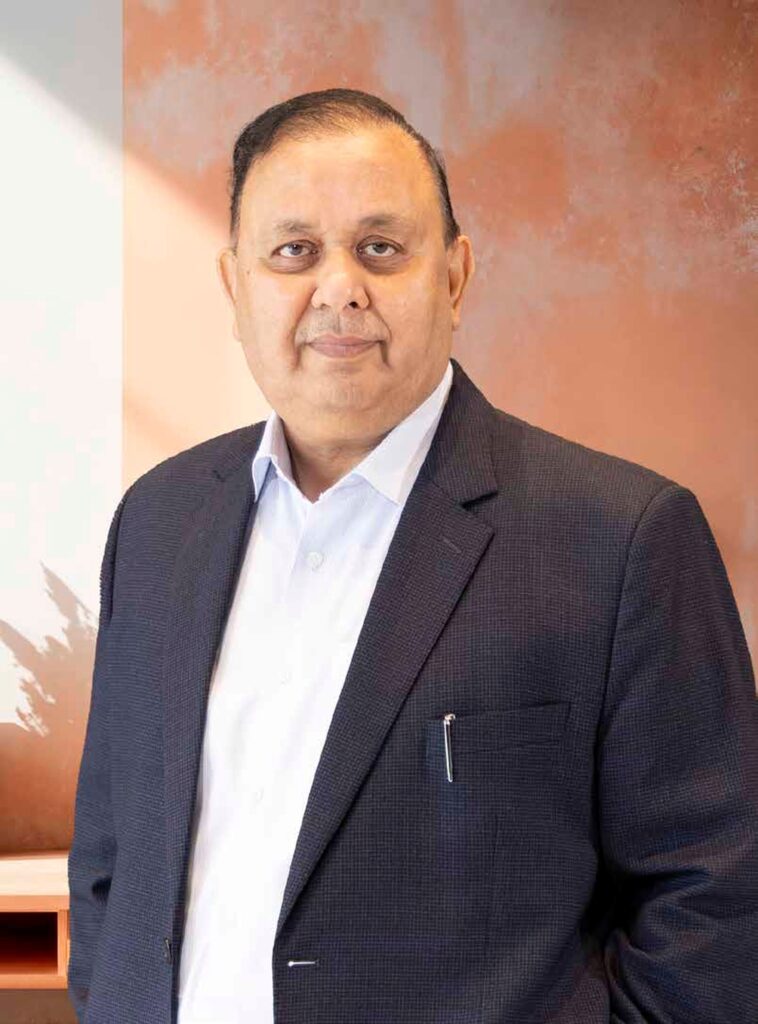
Few Indian textile and apparel companies can claim a journey spanning nearly seven decades while remaining closely connected to generations of consumers. Lux Industries is one such institution. Its origins date back to 1957, when Girdhari Lal Todi established Biswanath Hosiery Mills. In 1995, Ashok Kumar Todi and Pradip Kumar Todi founded Lux Industries Limited, beginning a new phase in the evolution of the business.
Over the years, Lux has evolved from a single-product, single-brand hosiery business into a diversified branded apparel enterprise spanning innerwear, outerwear, athleisure, thermal wear, rainwear and women’s apparel. Behind this evolution is a substantial manufacturing and distribution platform, with more than 44 crore garment pieces of annual production capacity across nine strategically located facilities in West Bengal, Tamil Nadu, Punjab and Uttar Pradesh.
The company’s 70-year legacy, therefore, is not merely a story of longevity. It is a story of anticipating change and investing ahead of it.
A Legacy Built on Anticipating Change
Chairman Ashok Kumar Todi describes the underlying philosophy succinctly: businesses may evolve, but institutions endure when they prepare for the future before circumstances force them to do so. Lux, he points out, invested in manufacturing capabilities before scale became a competitive necessity, built brands before branding became an industry norm and entered new categories ahead of changing consumer aspirations.
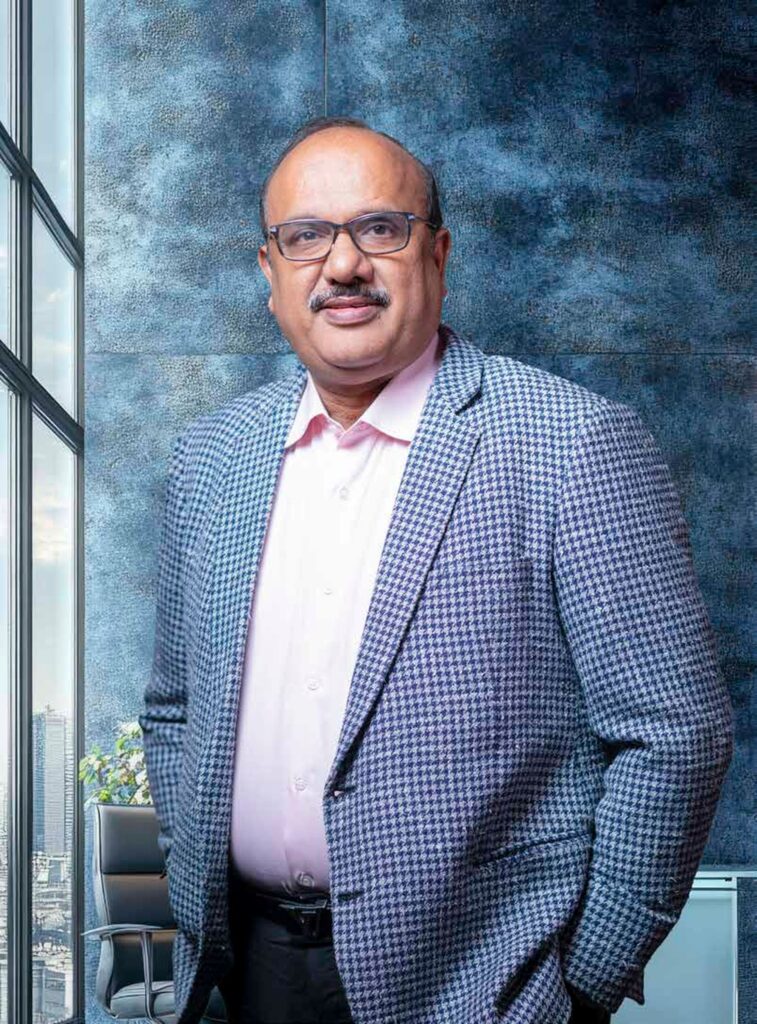
That approach has enabled the company to build what is now a diversified house of brands, supported by manufacturing scale, nationwide distribution and professional governance. Yet, according to the Chairman, the most valuable asset remains less tangible—the accumulated trust of consumers, retailers and employees over generations.
This consumer trust has been particularly important as India’s apparel market has evolved from largely functional consumption towards greater brand consciousness, premiumisation and lifestyle-driven purchasing.
Lux says its growth accelerated significantly during the decade from 2017 to 2026, alongside the expansion of consumer India. The company has consequently emerged as a major player in the mid-premium segment of the hosiery industry. The next challenge is to build upon this position through greater strategic focus and operational agility.
₹600 Crore Investment in Manufacturing
The most visible expression of this forward-looking strategy is the company’s decision to invest ₹600 crore in expanding its Dankuni manufacturing facility in West Bengal.
The project is described by the Chairman as an inflection point in the company’s journey. It is expected to nearly treble manufacturing capacity at Dankuni and position the facility among the largest garment manufacturing facilities in Asia, while also creating significant direct and indirect employment.
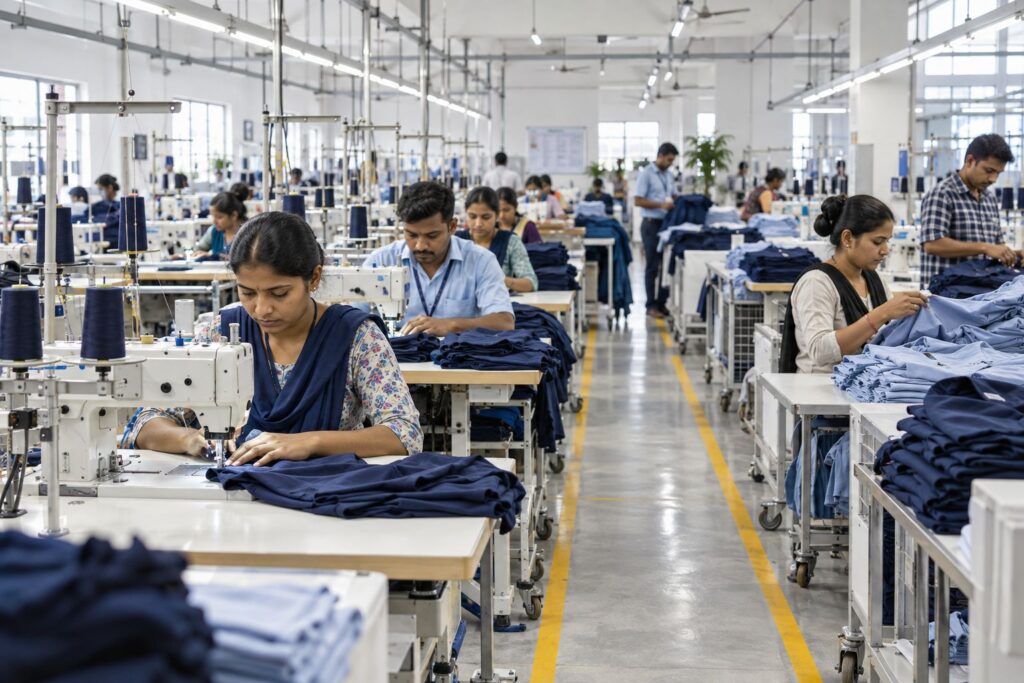
The investment is significant not merely because of its size, but because it represents Lux’s decision to build manufacturing capacity in anticipation of future demand.
The company already operates one of India’s largest hosiery manufacturing networks, with nine facilities spread across major textile clusters. The Dankuni expansion adds another dimension to this platform by creating a substantially larger manufacturing base in one of India’s important apparel-producing regions.
For Lux, manufacturing remains central to its competitive proposition. The company has continued to modernise its facilities and invest in technology, while funding such expansions through internal accruals as part of its disciplined approach to capital allocation. Its modernised West Bengal Hosiery Park facility, for example, covers 4.5 lakh sq ft across five acres, with manufacturing complemented by warehousing, storage and finishing infrastructure.
Investing Ahead of the Curve
The ₹600-crore project is part of a much broader investment cycle.
Managing Director Pradip Kumar Todi describes FY2025-26 as a year of “purposeful investment”, focused on strengthening the organisational, technological and operational foundations required for the next phase of growth.

Lux reported its highest-ever revenue of ₹2,929 crore in FY2025-26, representing 13% growth over the previous year. Rather than viewing the financial performance in isolation, the Managing Director emphasises the investments being made in brands, market expansion, technology and organisational capability.
Brand building has been a particularly significant area of investment. Over the last eight years, including FY2025-26, Lux has invested approximately ₹1,260 crore in building its brands. The company is increasingly focused not simply on adding brands but on creating differentiated consumer propositions capable of becoming long-term contributors to the business.
The launch of Lux Nitro, for instance, generated nearly ₹175 crore in revenue in its first year, according to the annual report. Other newer brands include Pynk, Lux Parker and Lux Champion.
From Innerwear to a Broader Apparel Platform
One of the defining changes in Lux’s business over the years has been its transition from a predominantly innerwear company to a broader apparel organisation serving men, women and children across multiple price points and categories.
This diversification is important as consumer aspirations continue to shift. Lux is seeking to participate in a larger share of consumers’ apparel spending while retaining its core proposition of quality, affordability and trust.

Its distribution ecosystem now extends across traditional trade, modern retail, exclusive brand outlets, e-commerce, quick commerce and other digital channels. This omni-channel presence provides the company with multiple routes to the consumer and allows it to respond to changing buying behaviour.
Technology Becomes a Strategic Capability
Alongside physical manufacturing expansion, Lux is building a digitally enabled enterprise.
Technology, according to Pradip Kumar Todi, has moved from being a support function to becoming a strategic capability. The company has accelerated warehouse management systems, automated conveyor-based scanning and ERP improvements, while strengthening cybersecurity and IT governance.
AI, automation and analytics are also being deployed across business functions. The company has introduced an AI-enabled advertising tracking application and strengthened digital engagement platforms such as Lux Connect and Lyra Connect for its retail partners.
These investments are aimed at improving demand forecasting, inventory replenishment, secondary-sales visibility and retailer engagement. The objective is ultimately to create a more responsive value chain in which manufacturing, inventory, distribution and consumer demand are increasingly connected through data.
Strengthening Global Reach
While India remains the company’s core market, Lux is also gradually building an international growth platform. Its brands are now available in more than 46 countries, with exports contributing approximately 8% of revenue. The company has added 25 countries to its international footprint over the past five years and is targeting a presence in 60 countries by 2030.

The strategy reflects the increasing importance of India as a reliable manufacturing and sourcing base for global apparel markets. For Lux, international expansion provides an additional avenue for leveraging its established manufacturing capabilities and brand portfolio.
The Next Generation of Lux
The company is also preparing for an important organisational transition. Following a Family Settlement Agreement, the Board has approved an in-principle proposal to reorganise Lux into focused, independently managed businesses through a structured demerger.
Ashok Kumar Todi views the proposed restructuring not as a departure from Lux’s history but as its continuation. Greater strategic focus, operational agility and accountability are intended to enable individual businesses to pursue their own growth trajectories, while the company’s values and entrepreneurial character remain common foundations.

The increasing involvement of the next generation—Navin, Rahul, Saket and Udit—is another important element of this transition.
Building the Next 70 Years
India’s apparel and innerwear markets offer a favourable backdrop for Lux’s next phase. The annual report points to rising incomes, premiumisation, increasing brand consciousness and the continuing shift from unorganised to organised players as structural growth drivers. India’s innerwear market is projected to nearly double from USD 10.24 billion in 2024 to USD 19.25 billion by 2033.
Against this backdrop, the ₹600-crore Dankuni expansion represents more than an addition to manufacturing capacity. It is a statement of confidence in the future of India’s apparel industry and in Lux’s ability to participate in that growth.
As Pradip Kumar Todi puts it, the company’s investments are intended to build a stronger organisation five and ten years into the future, rather than simply optimise for the immediate financial year.
That long-term perspective may ultimately define Lux’s transition from its first seven decades into its next chapter: a company leveraging the trust of generations, the scale of modern manufacturing, the power of brands and the possibilities of technology to build an apparel business for the decades ahead.