


As global apparel supply chains undergo a structural shift driven by sustainability regulations and accountability frameworks, leading manufacturers are stepping forward to shape the future of due diligence. At the forefront of this transition are MAS Holdings and Shahi Exports, two of South Asia’s most influential apparel manufacturers, who are actively redefining the role of suppliers from compliance participants to strategic partners.
MAS Holdings, a Sri Lanka-based global design-to-delivery solutions provider, operates across 13 countries with a workforce of over 100,000 people. Known for its leadership in ethical manufacturing, sustainability, and innovation, MAS has expanded its footprint beyond apparel into areas such as wearable technology, FemTech, and advanced material solutions.

Co-Founder & CEO, Fashion Producer Collective
Shahi Exports, India’s largest apparel manufacturer and exporter, has grown from its founding in 1974 by Mrs. Sarla Ahuja into a vertically integrated powerhouse with over 50 manufacturing facilities across 8 states. With a workforce of nearly 100,000 people, Shahi has built a strong reputation for responsible manufacturing, sustainability, and global scale operations.
Together with the Fashion Producer Collective, these industry leaders recently co-hosted a key side session at the OECD Forum on Due Diligence in the Garment and Footwear Sector in Paris, advocating for a more collaborative, manufacturer-led approach to due diligence frameworks.
Driving Manufacturer Voice in Global Due Diligence Frameworks
At the OECD Conference Centre in Paris, the session brought together industry stakeholders to discuss the evolving role of manufacturers in shaping due diligence practices.
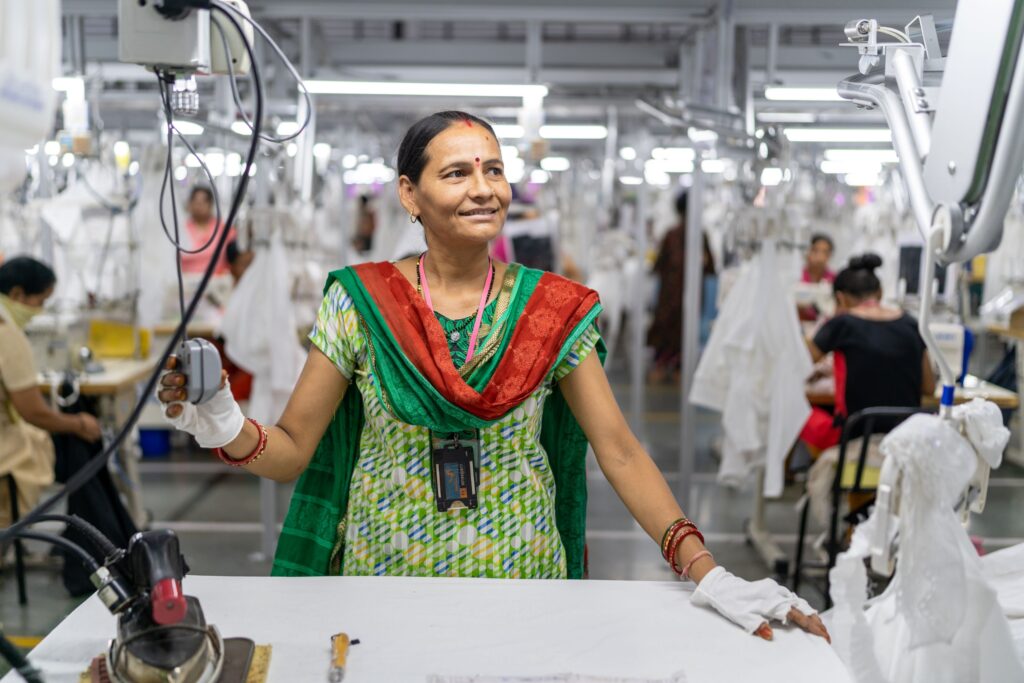
Moderated by Kim van der Weerd, Co-Founder & CEO, Fashion Producer Collective, the panel featured:
- Anett Sóti, Fashion Producer Collective; formerly Yee Chain Intl. Footwear Textile Manufacturer
- Chitra Prasad, Head of Social Sustainability, Shahi Exports
- Dhanujie Jayapala, General Manager – Environmental Sustainability, MAS Holdings
The session focused on how manufacturers can move beyond compliance-driven approaches and play a more active role in co-creating collaborative, trust-based due diligence systems across global apparel value chains.
Navigating a Complex Regulatory Landscape
A key theme of the discussion was the growing complexity of global regulatory frameworks, particularly with the introduction of the EU Corporate Sustainability Due Diligence Directive (CSDDD).
Panellists highlighted that manufacturers are currently operating in a transition phase marked by regulatory uncertainty, where evolving requirements often lack clarity in terms of practical implementation. The overlap between multiple frameworks further complicates compliance, creating challenges in aligning processes and investments.
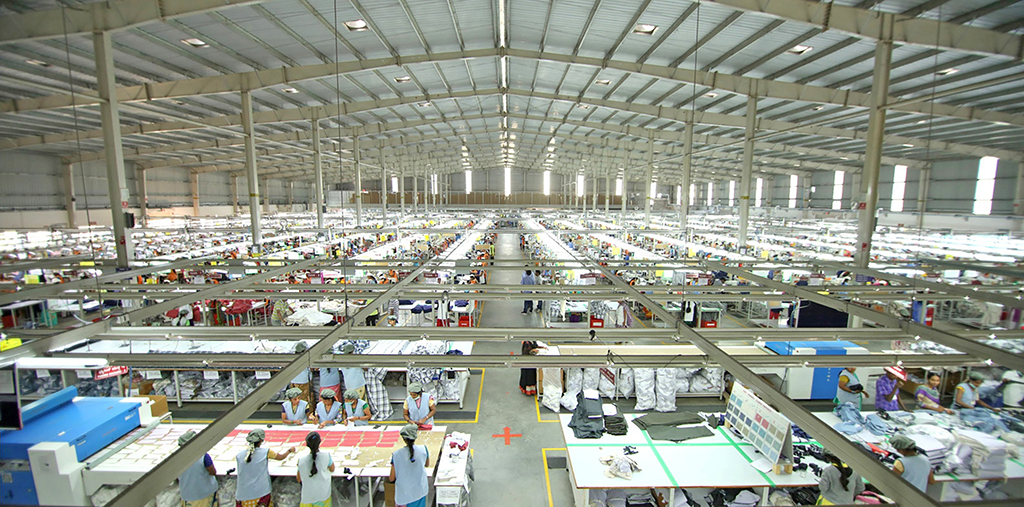
The shift from voluntary guidelines to legally binding requirements has also introduced new layers of accountability, placing increased pressure on suppliers to interpret and implement expectations effectively.
From Compliance to Collaboration
The discussion underscored a fundamental shift in perspective—from compliance-driven due diligence to collaborative problem-solving.
Manufacturers, traditionally viewed as recipients of audits and mandates, are now seeking to become active contributors in designing and implementing due diligence systems. This requires building trust across stakeholders, including brands, suppliers, and worker representatives.
Panellists emphasised that effective due diligence must be rooted in shared responsibility, where manufacturers are empowered to bring practical insights and on-ground experience into decision-making processes.
Strengthening Grievance Mechanisms and Worker-Centric Approaches
Another important area highlighted was the need to strengthen grievance mechanisms, which are critical to ensuring worker wellbeing and driving meaningful impact.
The panel stressed that scalable and effective grievance systems can serve as a practical foundation for responsible supply chains, enabling faster identification and resolution of issues while fostering transparency and accountability.
By prioritising worker inclusion and engagement, manufacturers can play a key role in building more resilient and equitable supply chains.
Reimagining Due Diligence for Impact
The panellists collectively emphasised that the next phase of due diligence must move beyond a reporting exercise to an impact-driven approach.
This requires:
- Recognising credible systems already developed by manufacturers
- Reducing duplication of audits and compliance requirements
- Leveraging digital tools for traceability and risk management
- Building long-term partnerships based on trust and transparency
The integration of responsible transparency, traceability, and digitised insights was identified as essential in proactively managing risks and responding to worker needs at the factory level.
Industry Call for Balanced and Practical Frameworks
The session concluded with an interactive discussion involving the audience, which echoed the need for more balanced and practical due diligence frameworks.
Participants called for:
- Reduction in audit burdens
- Greater worker participation in decision-making
- More equitable relationships between brands and manufacturers
These insights reinforced the importance of redefining traditional hierarchies within the value chain and fostering a more collaborative ecosystem.
The joint initiative by Fashion Producer Collective, MAS Holdings, and Shahi Exports marks an important step toward rebalancing the global apparel supply chain narrative.
As sustainability regulations become more stringent and complex, the role of manufacturers is evolving from compliance executors to strategic partners and co-creators of solutions. By advocating for collaboration, transparency, and shared accountability, these organisations are helping shape a more inclusive, efficient, and impact-driven due diligence framework.
In doing so, they are not only addressing current challenges but also laying the foundation for a more resilient and responsible future for the global apparel industry.