


Evaporation systems are widely used across industries for concentration and Zero Liquid Discharge (ZLD) applications. Many existing plants still operate on conventional steam-driven Multi-Effect Evaporators (MEE), designed when fuel costs were lower and sustainability requirements were less stringent.
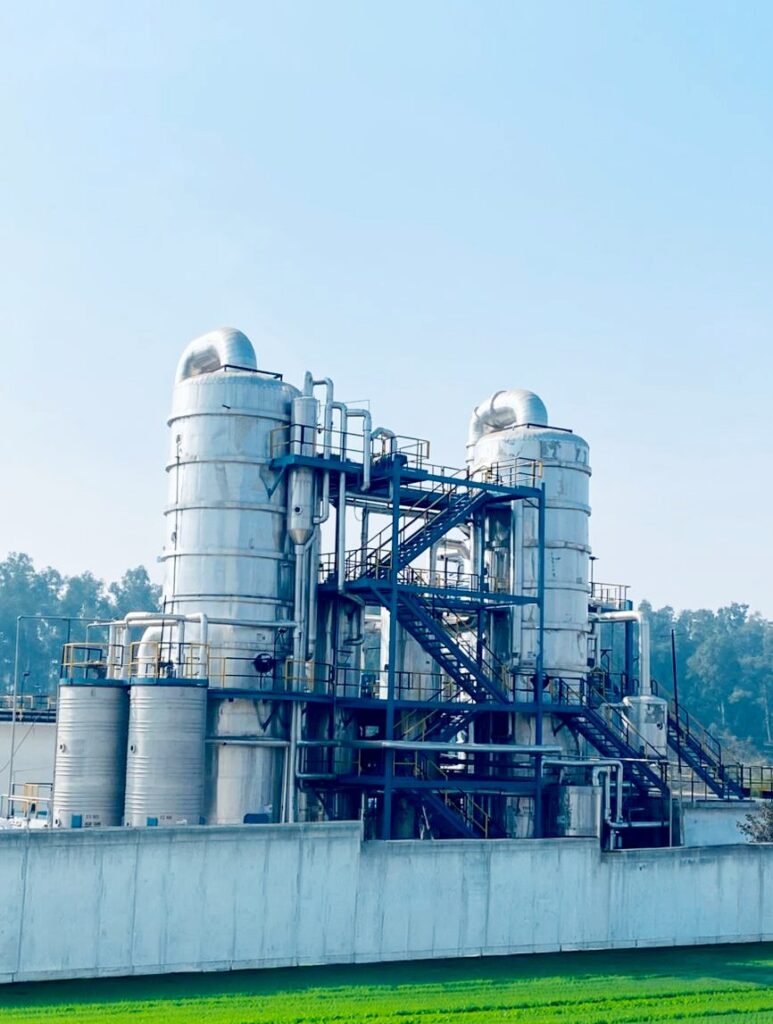
With rising energy costs, stricter environmental regulations, and increasing pressure to reduce carbon emissions, industries must upgrade their evaporation systems. However, replacing entire plants is often impractical due to the significant capital already invested. In this scenario retrofitting with Mechanical Vapor Recompression (MVR) based Low Temperature Evaporator (LTE®) technology offers a cost-effective way to enhance performance while utilizing existing infrastructure.
Limitations of Conventional Evaporation Systems
Steam-driven MEE systems are highly energy-intensive and contribute significantly to operating costs.
Typical performance of a 100 KLD 3-effect MEE:
– Steam requirement: 35–40 ton per day
– Steam cost: ₹1,800–2,500 per ton
– Annual steam cost (330 days): ₹2.1–3.3 crore
In addition to high energy consumption, issues such as scaling, corrosion, and frequent cleaning cycles increase maintenance costs and downtime, impacting overall plant efficiency.
Retrofitting with MVR Technology
Retrofitting involves integrating MVR technology into existing evaporation systems while retaining key infrastructure such as evaporator bodies, separators, and piping.
In an MVR system, the generated vapor is compressed and reused as the primary heating medium, drastically reducing the need for fresh steam.
Typical retrofit scope includes:
– Installation of MVR Fan or Blower
– Modifications in vapor piping and heat exchangers
– Upgradation of instrumentation and automation
– Modifications to existing equipment (if required)
This approach minimizes capital investment and reduces implementation time compared to building a new plant.
Energy Performance After Retrofitting
Post-retrofitting, steam usage becomes negligible and electricity becomes the primary energy source.
Typical performance for a 100 KLD MVR based LTE plant:
– Power consumption: 16–18 kWh/m³
– Daily electricity cost: ₹11,200–14,400
– Annual electricity cost: ₹0.37–0.48 crore
Key outcomes:
– Energy cost reduction: 70–85%
– Annual savings: ₹1.6–2.9 crore
– Payback period: ~1–1.5 years
Additional Benefits
– Significant reduction in CO₂ emissions (~90%)
– Reduced dependency on boilers and associated utilities like cooling tower, condenser, fuel infrastructure etc.
– Improved process control through automation
– Lower maintenance and higher plant reliability
Conclusion
Retrofitting existing evaporation plants with MVR-based LTE® technology provides a practical and efficient way to reduce energy consumption, lower operating costs, and improve sustainability. It enables industries to modernize their systems while maximizing the value of existing assets, making it a strategic upgrade for long-term operational efficiency.