


By Nithin Kumar
At Techtextil 2026, Keshav S. Pandya, Vice President, Shankar Packagings Limited, outlines how the company is expanding from its packaging foundation into GeoTech, AgroTech and InduTech with a clear ambition to lead global technical textile markets.
A Four-Decade Foundation, A Wider Technical Textiles Future
For more than four decades, Shankar Packagings Limited has built its reputation on packaging technology. That foundation remains central to the company’s identity, but its growth story is now moving into a wider technical textiles landscape — one shaped by geotextiles, agrotextiles, industrial fabrics, filtration and performance-led woven solutions.
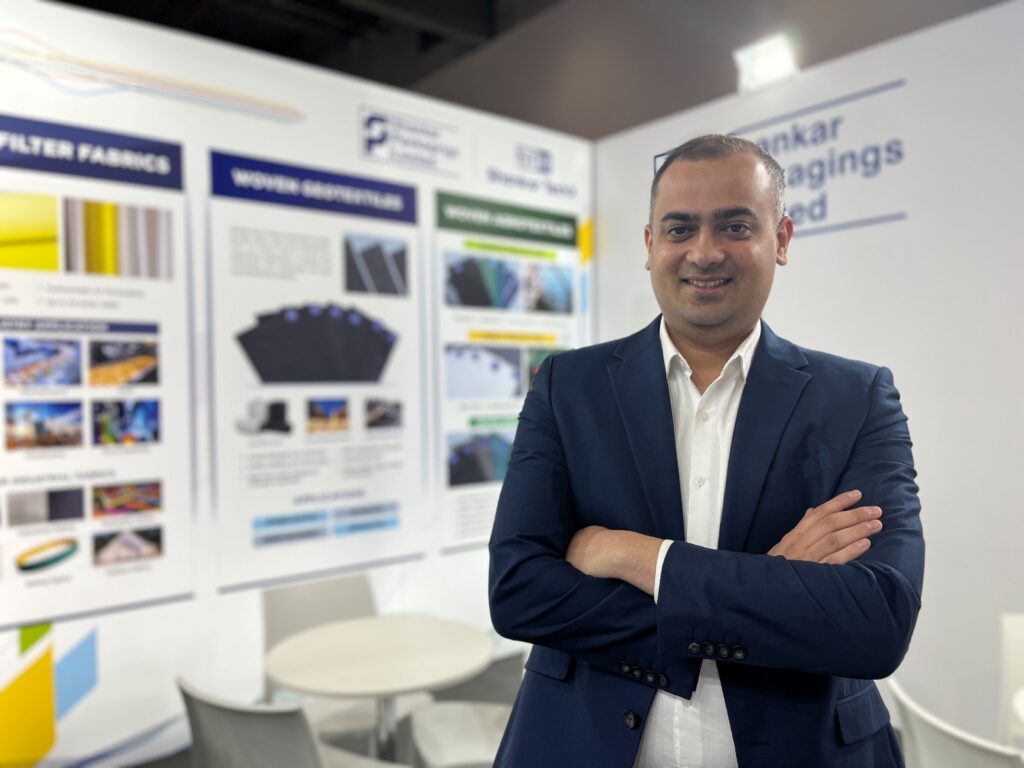
At Techtextil 2026, Mr. Keshav S. Pandya, Vice President, Shankar Packagings Limited, described this evolution as a natural extension of the company’s capabilities. What began as a packaging-led business is now being expanded into a multi-vertical technical textiles platform, built on polymer expertise, manufacturing discipline and long-standing customer trust.
“We have been on a journey for the last 40 years. Packaging technology has always been our base and foundation. Over the last six to eight years, we have focused a lot on technical textiles, which we believe is the future.”
Beyond a Packaging Identity
The company’s larger proposition today is not about moving away from PackTech, but about using that strength to build adjacent, high-potential verticals. Shankar Packagings has leveraged its reputation, team strength, manufacturing experience and market relationships to create a broader portfolio across PackTech, GeoTech, AgroTech and InduTech.
For Mr. Pandya, the strategic objective is balance. A mature PackTech business provides depth and stability, while newer segments such as geotextiles, agrotextiles and industrial fabrics bring fresh growth possibilities. The goal is to create a diversified technical textiles platform where no single product category defines the company’s future.
“It is very important to have a balanced distribution across products and markets. We have leveraged the capabilities built over many years — our team, my father’s inputs and our reputation in the marketplace — and we want our product portfolio to be proportionately divided across these verticals.” — Mr. Keshav S. Pandya
Backward Integration as the Core Differentiator
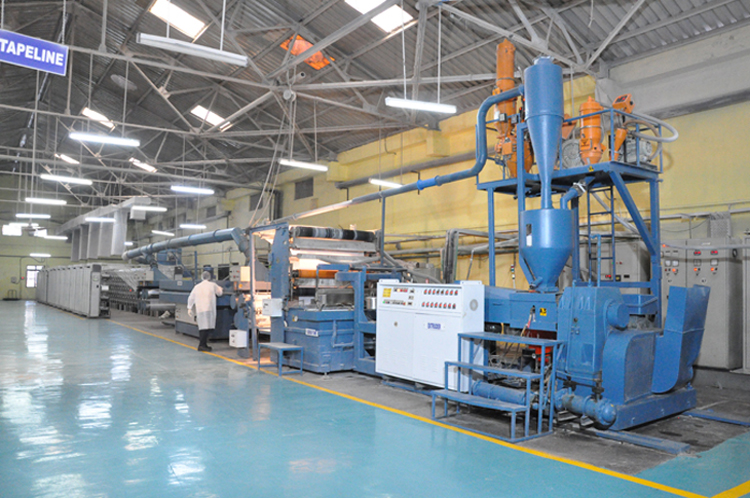
One of Shankar Packagings’ strongest advantages is its backward-integrated manufacturing model. From raw material procurement to yarn extrusion, weaving, inspection and dispatch, the company’s emphasis is on keeping critical processes under its own roof.
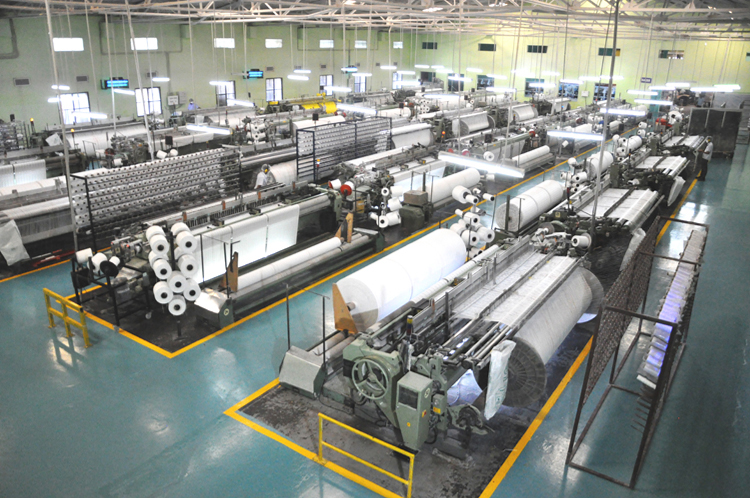
In technical textiles, that control is not a minor operational advantage; it is a strategic differentiator. Product performance depends on consistency across the entire chain — polymer selection, yarn quality, weaving precision, fabric construction, finishing, testing and final inspection. When these stages are managed internally, the company can respond faster, control quality more closely and develop application-specific products with greater confidence.
“We do not rely on anyone outside. From buying granules to inspection and dispatch, everything happens under the Shankar roof. That is our single biggest differentiator.” — Mr. Keshav S. Pandya
Different Verticals, Different Growth Curves
Shankar Packagings now operates across segments that are at different stages of maturity. PackTech remains the established base, but the company sees faster growth momentum in GeoTech, AgroTech and InduTech, where Indian production capability is still evolving and the market has significant room to expand.
This creates two parallel challenges. In mature markets, the company must innovate constantly to stay relevant. In emerging markets, it must help build confidence, educate customers, develop applications and prove performance. Mr. Pandya sees both sides as important to the company’s future.
“PackTech is a more mature market, and with today’s geopolitical environment we have to be more innovative in what we offer customers. Industrial fabrics, agrotextiles and geotextiles are on a faster growth path because they are still newer from an Indian production standpoint.” — Mr. Keshav S. Pandya
From GeoTech to AgroTech: Expanding Application Relevance
The expansion into geotextiles, agrotextiles and industrial fabrics reflects the growing relevance of technical textiles in infrastructure, agriculture, industrial processing and export markets. In GeoTech, woven technical fabrics support functions such as reinforcement, separation, stabilisation, drainage and filtration. In AgroTech, ground covers and woven polypropylene solutions serve agriculture, horticulture, landscaping and soil-management applications. In InduTech, filtration fabrics, coating substrates and other industrial fabrics address performance requirements in demanding operating environments.
For Shankar Packagings, these are not disconnected product lines. They are extensions of a common manufacturing logic: polymer processing, yarn formation, weaving, fabric engineering and application-led customization. That shared foundation allows the company to diversify without losing focus.
A Global Company with a Local Heart
Mr. Pandya is clear that Shankar Packagings’ ambition is global. The company already serves customers across several international markets and has built long-standing relationships outside India, particularly in Europe. Its objective is not only to export more, but to build a deeper global presence while retaining the responsiveness and relationship-driven approach that define its culture.
“We are a global company with a local heart. We have been present in Europe, especially Germany, for many years. Our people, our team and our approach to customers — finding innovative solutions together — are what differentiate us.” — Mr. Keshav S. Pandya
Differentiation Through Internal Discipline
At a global platform such as Techtextil, where several companies showcase innovation across similar categories, differentiation often becomes a question of technology, product range or capacity. Shankar Packagings’ answer is more disciplined. The company does not define itself by comparison with competitors. It focuses on strengthening what it already does well and building leadership through execution.
That inward focus is significant. In technical textiles, long-term trust is created through consistency, quality control, development capability and customer responsiveness. A company may win attention with a new product, but it earns repeat business through reliability. This is where Shankar Packagings’ integrated model and customer-led approach become important.
“We are a more inward-looking company. We do not really worry about what is happening outside us. We want to make sure that we are the best at what we are capable of doing.” — Mr. Keshav S. Pandya
Leadership, Not Followership
The most powerful statement from the interaction is the company’s ambition to lead in the newer technical textile segments it is entering. Shankar Packagings has already built a strong market position in its traditional product areas. The next phase is about translating that credibility into leadership across GeoTech, AgroTech, InduTech and other performance-led applications.
“For the last 40 years, we have been market leaders in our products. In the newer products we are entering, we would like to be market leaders there as well. We want to be leaders, not followers.” — Mr. Keshav S. Pandya
The Next Chapter of a Four-Decade Journey
At Techtextil 2026, Shankar Packagings presented a story of transition with clarity and confidence. The company’s foundation remains PackTech, but its future is being shaped across a wider technical textiles platform supported by backward integration, manufacturing control, global market experience and customer collaboration.
What makes the story compelling is the balance between ambition and discipline. Shankar Packagings wants to expand globally, but not by diluting its core strengths. It wants to enter newer verticals, but with the same seriousness that built its packaging leadership. It wants to lead, but through capability, consistency and innovation rather than imitation.
For India’s technical textiles industry, this is an important direction. As the market moves from conventional textile production towards engineered applications in infrastructure, agriculture, industry and packaging, companies with integrated capabilities and global ambition will play a defining role. Shankar Packagings is positioning itself firmly among them — not merely as a packaging company entering technical textiles, but as a technical textiles company building its next phase on the strength of a four-decade legacy.