


The Cotton Textiles Export Promotion Council (TEXPROCIL), the first Export Promotion Council established in India in 1954 for the promotion of cotton textile exports worldwide, celebrated the achievements of its member exporters at its Annual Awards Function held at the Leela Hotel recently. Every year, the Council recognizes the outstanding contribution of exporters by presenting awards across various categories, including the prestigious Platinum Trophy for the highest global exports.
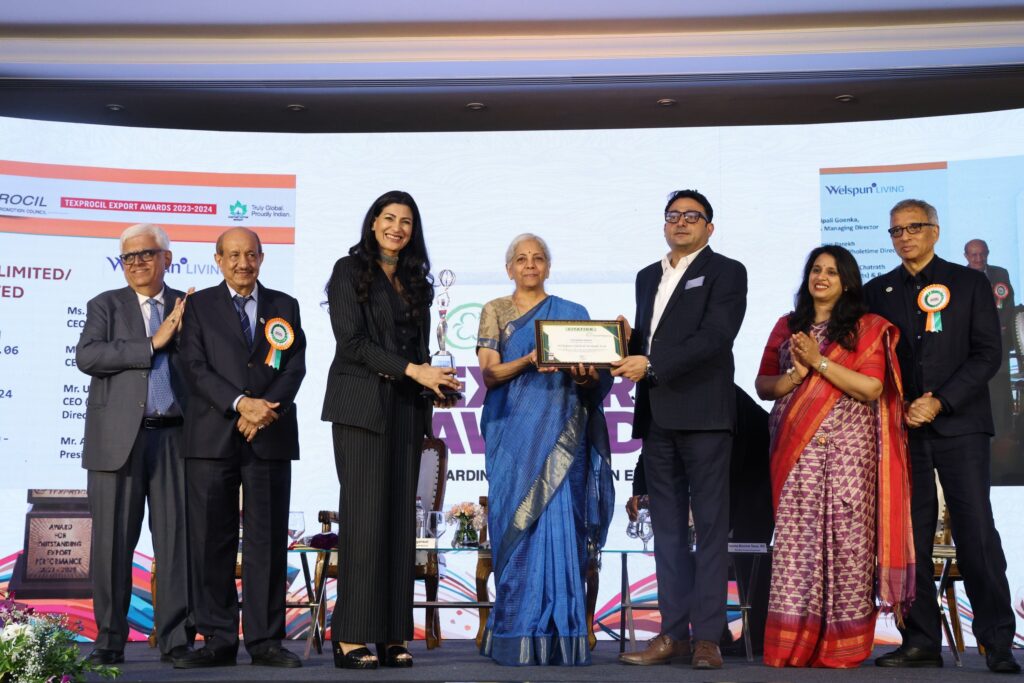
In recognition of the labour-intensive nature of the textile industry, TEXPROCIL also honoured companies generating the highest employment. This year, the Council introduced award categories for excellence in E-commerce, ESG, and Innovation.
Smt. Nirmala Sitharaman, Hon’ble Minister of Finance and Corporate Affairs, graced the occasion as the Chief Guest. The Textile Commissioner, Mrs. Vrunda Desai was also present at the event.
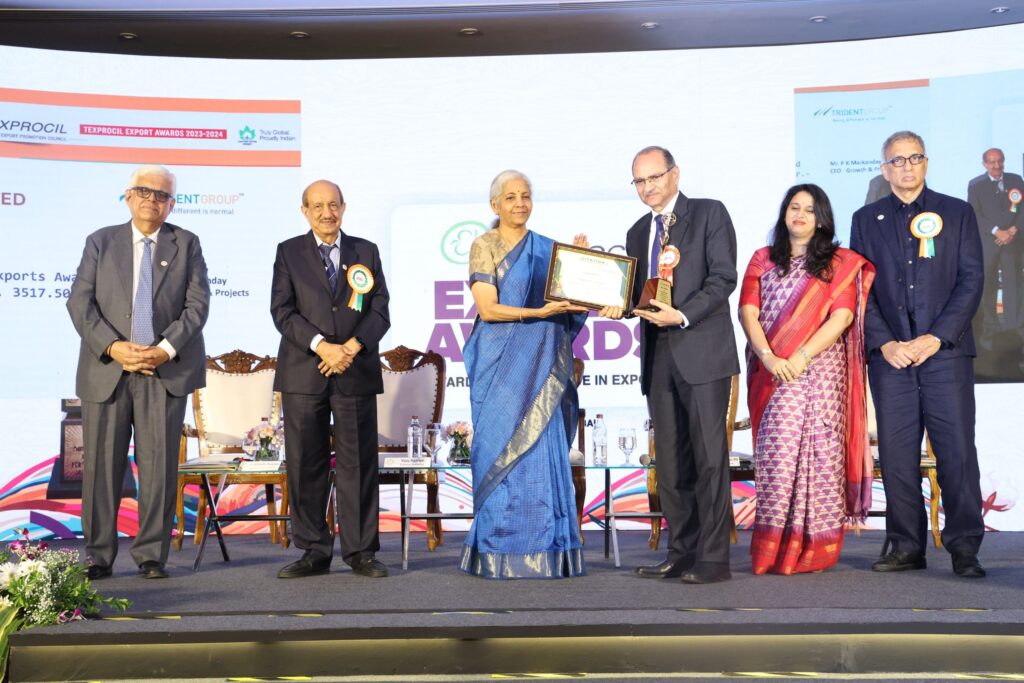
In his opening address, the Chairman of TEXPROCIL, Mr. Vijay Agarwal welcomed the dignitaries and highlighted that TEXPROCIL’s 2,000 members account for exports valued at nearly US$ 11 billion, while the broader cotton textile ecosystem supports employment for around 35 million people directly and indirectly. He also mentioned that TEXPROCIL has been entrusted with the promotion of the Indian cotton brand “Kasturi Cotton” through branding, certification, and traceability initiatives.
The Chairman lauded the Government of India, particularly the Ministry of Finance under the leadership of the Hon’ble Finance Minister, for its timely support to industry during successive global disruptions since 2020 including the COVID pandemic, tariff escalations, and geopolitical conflicts through measures such as the Aatma Nirbhar Bharat package, ECLGS, MSME support initiatives, liquidity support, and trade facilitation measures.
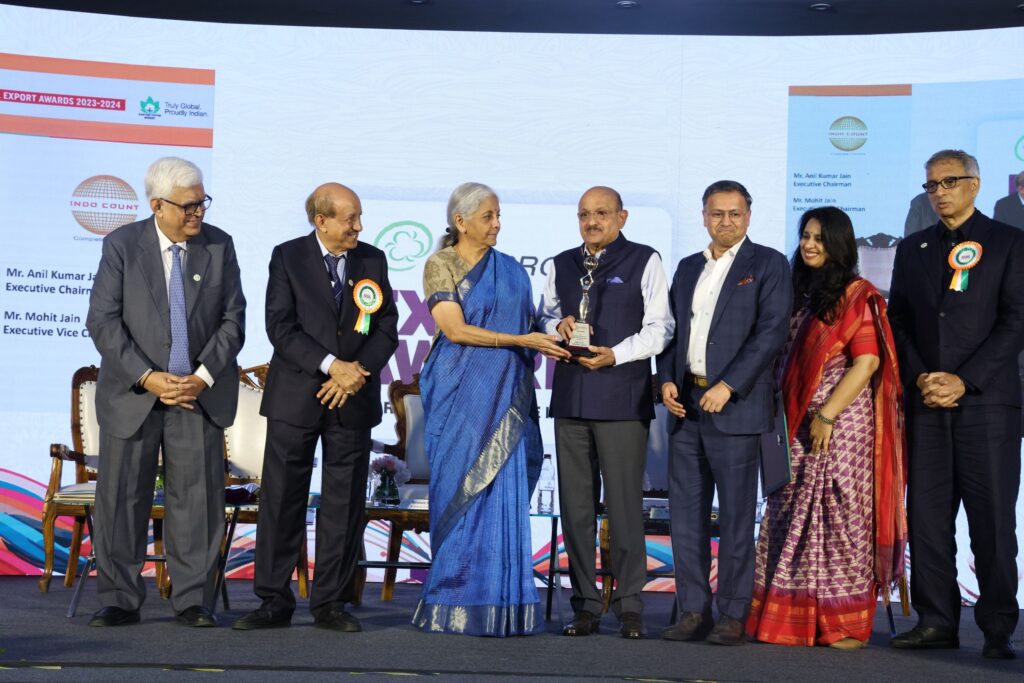
The Chairman further welcomed key Government initiatives including the Export Promotion Mission announced in the Union Budget 2025–26 and the TEEM Scheme and Tex Eco Initiative announced in the Union Budget 2026–27, stating that these measures would strengthen competitiveness, sustainability, modernization, and employment generation in the textile sector.
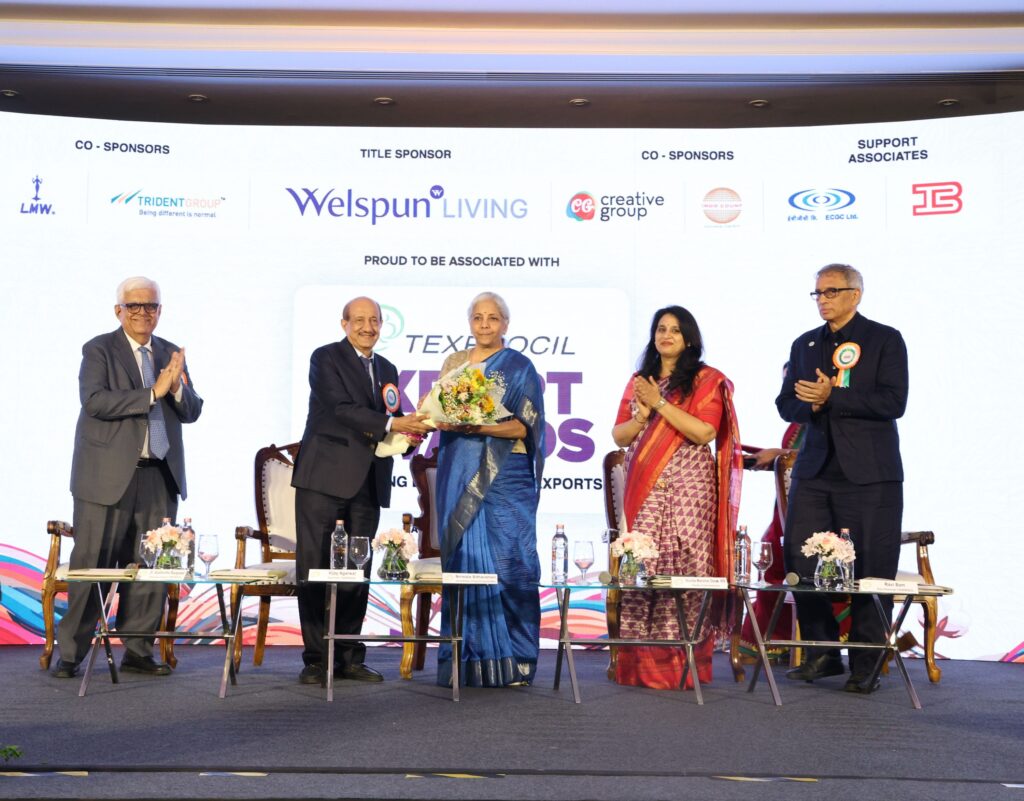
He informed that TEXPROCIL continues to support exporters, particularly MSMEs, through capacity-building programs, stakeholder consultations, and awareness initiatives on trade facilitation and digital platforms. Highlighting India’s growing opportunities through recently concluded Free Trade Agreements, he stated that Indian textiles are well-positioned to emerge as a reliable and competitive global sourcing destination. At the same time, he emphasized the need for continued policy support in areas such as availability of raw materials at international prices, adequate remission of embedded taxes and levies, affordable export finance, and improved logistics efficiency to help the industry achieve the target of a US$ 350 billion textile market, including exports of US$ 100 billion by 2030.
In her speech, the Textile Commissioner, Mrs. Vrunda Desai firstly thanked the Hon’ble Finance Minister for the various schemes like Textile Expansion and Employment Scheme, National Fibre Scheme, Tex-Eco Initiative and Samarth 2.0 which were announced for the Textile sector in the recent budget.
She also highlighted the District led Textiles Transformation initiative of the Ministry which seeks to develop high-potential textile districts into globally competitive manufacturing and export hubs by leveraging localized strengths, traditional skills, MSME ecosystems, and cluster-based capabilities.
She also spoke on the PM MITRA Parks, the Production Linked Incentive Scheme, National Technical Textiles Mission, sustainability and traceability initiatives, quality improvement efforts, and support for modernization aimed at enhancing India’s global competitiveness across the textile value chain.
She concluded by assuring the industry that the Ministry of Textiles remained fully committed to supporting the growth and modernization of the sector.
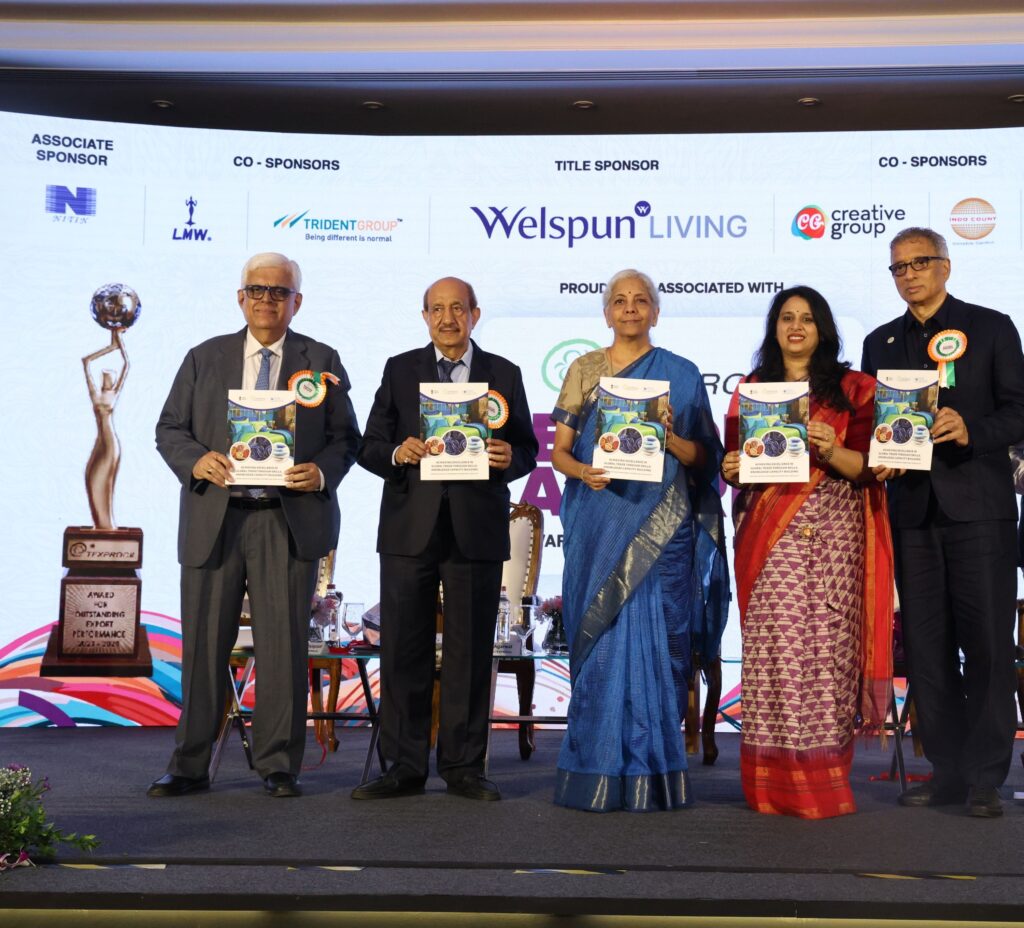
Later, during the event, the Council launched the Advanced Certificate Program in International Trade (ACPIT) at the esteemed hands of the Finance Minister. The Council developed the ACPIT as a structured certification program which will be aligned with the various Government schemes and policy initiatives focused on strengthening India’s export ecosystem.
The Chief Guest, then distributed the Texprocil Awards.
In her address, the Finance Minister Smt. Nirmala Sitharaman said that the Texprocil Awards event was special due to the launch of the TEXPROCIL Advanced Certificate Program in International Trade. Any number of skilling programs by governments or universities have value, but when the certification and course are designed and run by the industry themselves, it has a far greater sense of relevance, she said.
She lauded the industry for being the world’s largest exporter of cotton yarn and commended the exporters for holding their ground and showing remarkable resilience despite unprecedented global headwinds and tariff disruptions.
The Finance Minister said that India needs to prepare for future challenges like Geopolitical fragmentation; Protectionism and non-tariff barriers; Global competition; Sustainability requirements and AI & automation.
Global buyers today increasingly demand traceability, organic and recycled fibres, lower carbon footprints, and fair labour practices. Indian exporters who adapt early will thrive, she said.
Looking ahead to Viksit Bharat 2047, India aims to achieve US$100 billion textile exports and US$250 billion textile production by 2030. India must become a global leader in sustainable textiles as its natural advantages — cotton, silk, handloom traditions, natural dyes, and craft techniques — are exactly what premium global consumers are seeking today.
She observed that India must build certification systems, traceability infrastructure, and strong branding platforms to command premium global value. The future of textile exports lies not merely in commodity products but in design-led, value-added goods.
The coming decade will not be easy as climate change, geopolitical disruptions, and technological changes will continue to challenge the industry. But crises are also opportunities.
She concluded saying that a cloth does not hold together because one thread is extraordinary, but because every thread bears its proper tension in its proper place. India’s textile sector similarly depends on every stakeholder — farmers, spinners, weavers, processors, designers, exporters, policymakers, and institutions like TEXPROCIL — working together.
India has always been a land of weavers and we can now weave the future of global trade.
Mr Ravi Sam, Vice Chairman of Texprocil then proposed a Vote of Thanks.