


As Unitex (United Texmac Pte Ltd) marks three decades of innovation and leadership in circular knitting technology, the company reflects on a journey defined by engineering excellence, customer-centric solutions, and a deep understanding of the evolving textile industry.
By K. Gopalakrishnan
Over the past 30 years, Unitex has built a strong global presence, serving knitwear manufacturers across key markets including India, China, Turkey, Vietnam, Indonesia and Bangladesh, while establishing itself as a trusted partner for both small job knitters and large textile corporations.

In an exclusive interaction, Mr. Benny Pua, Co-Founder and Managing Director of Unitex, shares insights into the company’s growth journey, the changing dynamics of the global knitting industry, and the strategic role that markets such as India continue to play in Unitex’s expansion. Reflecting on three decades of experience, he also discusses how the company is adapting to emerging trends such as shorter fashion cycles, increasing product diversity, and the growing need for agility in textile manufacturing, while preparing the next generation of leadership to guide Unitex into its next phase of growth. As the company celebrates 30 years of its journey, Unitex stands as a testament to how sustained technological development, close engagement with customers, and a deep understanding of the textile value chain can create long-term industry impact.
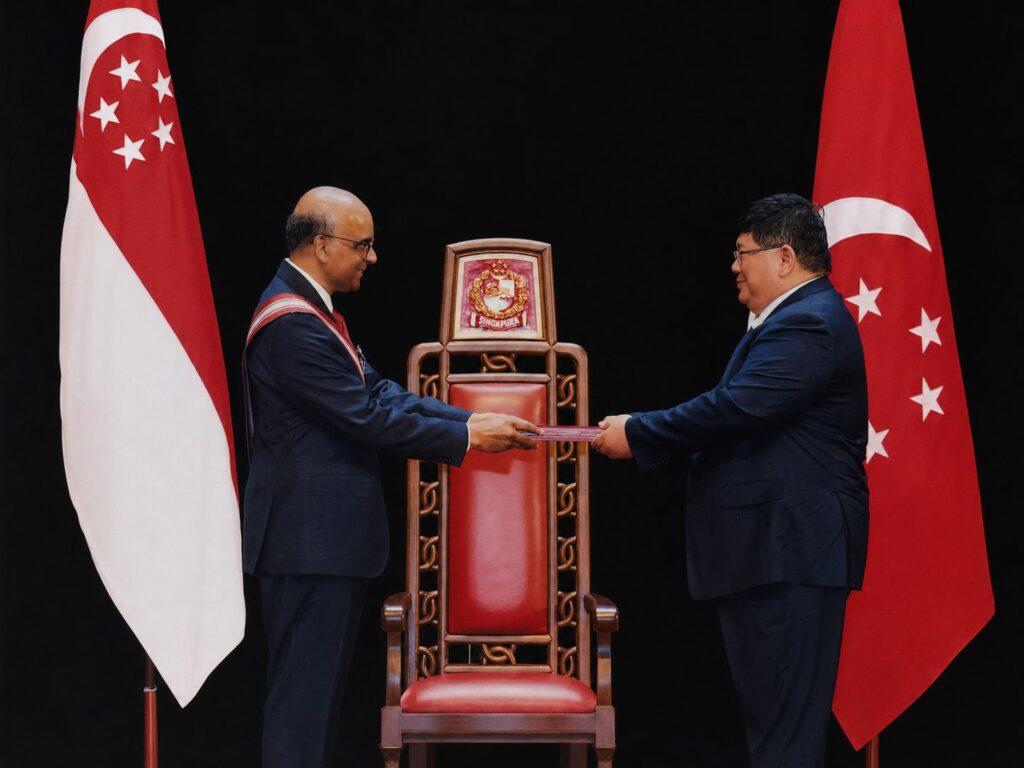
From its early days of supporting knitwear manufacturers to its present role in enabling faster, more flexible fabric production, the company has consistently adapted to the evolving dynamics of the global fashion and textile industry. With circular knitting technology becoming increasingly important in meeting the demands of modern apparel markets—where product lifecycles are shorter and variety is expanding—Unitex continues to position itself as a partner that helps manufacturers stay competitive, efficient and maintain quality.
Building a Global Reputation in Circular Knitting Technology
Unitex has established a strong reputation across the entire spectrum of knit production—from small job knitters to large textile corporations. The company specializes in a wide range of circular knitting machines, including single knit, double knit, fleece, rib, interlock with 8-lock configurations, and jacquard technologies designed for both large and small diameter applications.
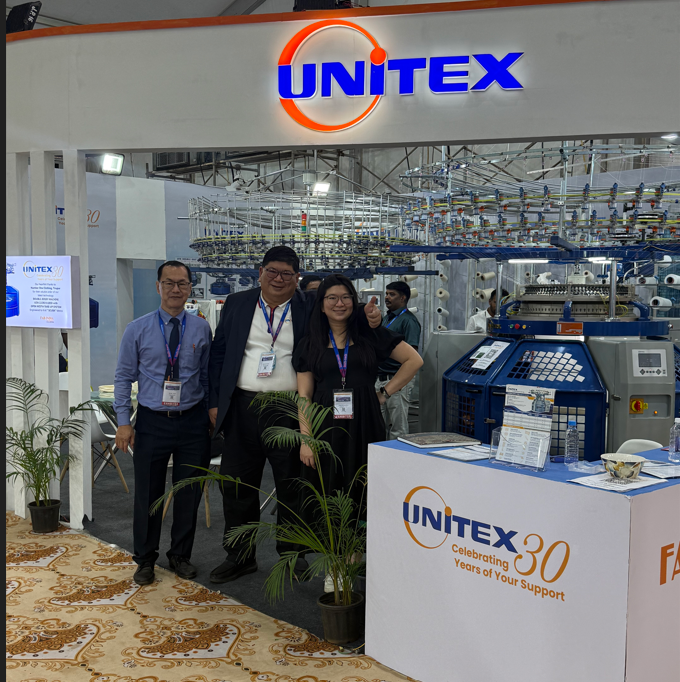
Over the years, Unitex machines have gained significant traction in markets such as India and Turkey, particularly in the production of fleece and jersey fabrics. The brand has built its reputation on delivering machines that are robust, easy to operate and capable of producing high-quality fabrics in challenging environments. Fabrics made from Unitex machines have been endorsed by global clothing brands with high standards and requirements.
One of the defining characteristics of Unitex machines is their user-friendly design, enabling operators and technicians with varying levels of expertise to run the machines efficiently. This approach has made the machines particularly attractive for textile manufacturers seeking both productivity and reliability.
Strong Manufacturing Backbone Across Asia
Behind Unitex’s technological capabilities lies a strong manufacturing network spread across multiple locations in Asia. The company operates three major facilities – a fully integrated manufacturing facility in Fujian, China, an assembly and R&D centre in Shanghai, China, as well as a service and assembly centre in Johor, Malaysia. Employing more than 300 people globally, Unitex has the combined capacity to produce more than 2,000 machines annually, supported by fully integrated manufacturing processes that include advanced CNC machining centers.
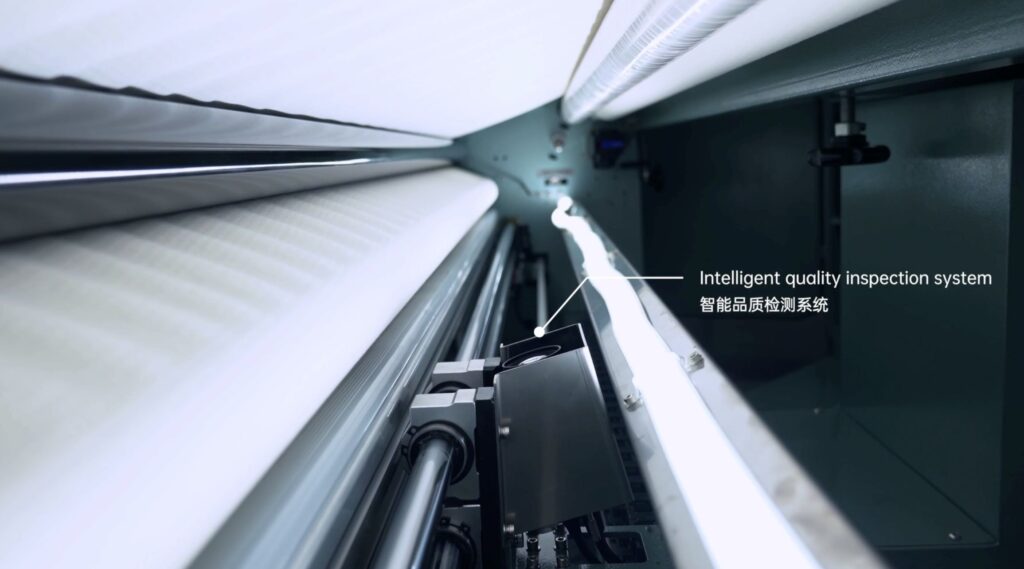
A key strength of the company lies in its commitment to quality through in-house manufacturing of critical components. Approximately 70% of components, including cylinders, cams, transmission systems and knitting elements, are produced internally, ensuring precision and consistency. The remaining components—such as yarn feeders, needles, sinkers and electrical devices—are sourced from specialized suppliers.
Engineering Value Through Efficiency and Precision
Unitex machines are designed with a clear emphasis on operational efficiency and cost reduction for textile manufacturers. One of the major advantages offered by their technology is the reduction of machine operating costs through a low-friction transmission system, which can lower electricity consumption by up to 20 percent. This makes the machines particularly attractive for high-volume production environments where energy efficiency plays a critical role in overall profitability. The machines also incorporate a highly efficient lubrication system that operates with minimal oil consumption. Combined with ultra-precise cam systems and high-quality knitting elements, this ensures accurate loop formation while minimizing oil contamination, fabric faults and material wastage.
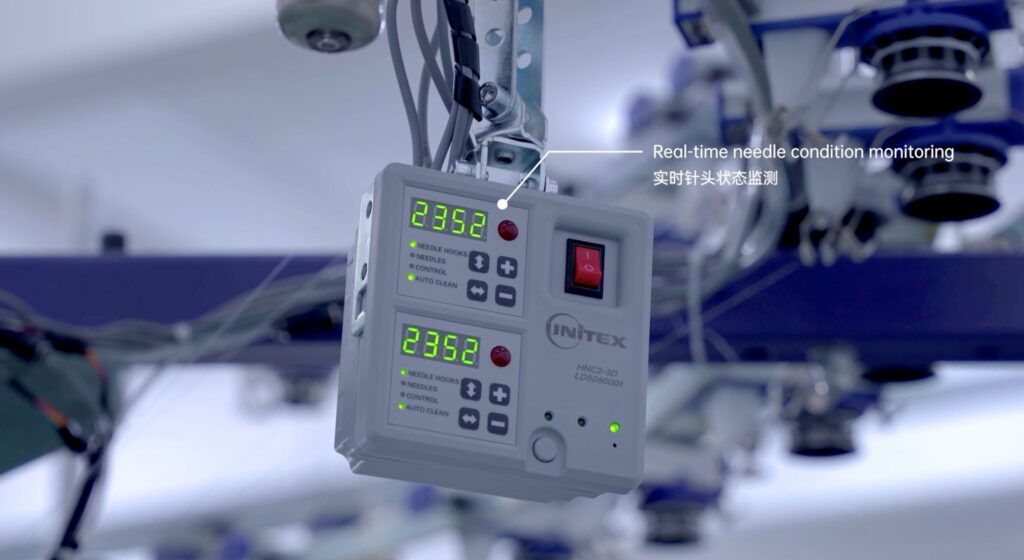
A new technology within their cylinder production is also in the works and will be launched in the coming months. By minimizing friction and optimizing surface integrity, this new development would significantly extend cylinder and needle lifespan—even under the demanding conditions of polyester and man‑made fiber (MMF) knitting environments. This focus on engineering precision enables manufacturers to maintain consistent fabric quality while reducing downtime and maintenance requirements.
Adapting to Market Dynamics
The global knitting market has undergone significant transformation in recent years. While overall market growth has remained relatively stable due to economic uncertainties and geopolitical challenges, major textile manufacturers across Asia continue to expand and modernize their facilities.
At the same time, the industry is experiencing a shift from large- volume single products to smaller production runs with greater product variation.
“Five or ten years ago, one product could run in volumes of a million kilograms,” Mr. Pua explains. “Today the market is moving towards smaller quantities but with far more variety. Manufacturers must be able to adapt quickly.” This shift is largely driven by global fashion brands that constantly refresh their collections. Products that once had lifecycles of several years now often remain in demand for only a few months. As a result, quick turnaround and production flexibility have become essential requirements for textile manufacturers—and machinery suppliers must stay ahead of these changes.
Working Closely with Global Brands
Unitex maintains close engagement with leading textile manufacturers that supply major global brands and other international apparel retailers. These partnerships enable the company to understand emerging fabric trends and translate them into machine innovations that help manufacturers respond to market demand. One example cited by Mr. Pua is the growing popularity of scuba fabrics, which Unitex began supporting several years ago. As market demand evolved, the company worked with manufacturers to develop variations of the fabric using different yarn combinations and structures. “In today’s fashion industry, product lifecycles are extremely short,” Mr. Pua notes. “Machine manufacturers must anticipate the direction of the market and help customers adapt quickly.
India: A Market of Strategic Importance
Among global markets, India continues to hold special importance for Unitex, particularly the knitwear hub of Tirupur. Mr. Pua believes India has enormous potential for growth due to its large domestic market, skilled workforce and strong textile ecosystem. Over the years he has witnessed the evolution of Tirupur from a traditional knitwear center into an increasingly sophisticated manufacturing hub. However, he also advises manufacturers to build on their core strengths rather than chasing trends blindly.
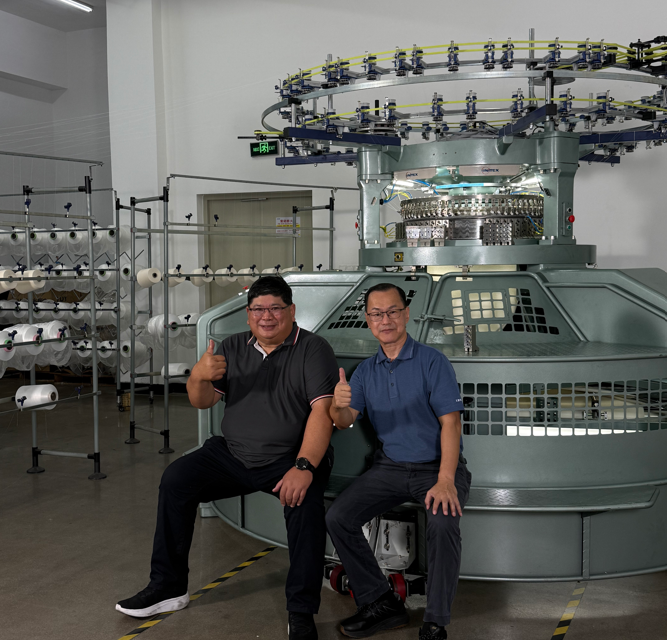
Tirupur’s industry is largely based on cotton knitwear, and Mr. Pua believes this remains a significant advantage. While there is growing interest in man-made fibres (MMF), he cautions that investments should be aligned with market demand and buyer acceptance. “Cotton is India’s natural strength,” he says. “There is still significant opportunity to grow in this segment. MMF can be part of the strategy, but it should complement the core business rather than replace it.” He likens diversification to adding dessert after a meal—valuable, but only after the foundation of the main business remains strong.
Navigating Competition and Industry Challenges
The circular knitting machinery market today faces intense competition, partly due to excess manufacturing capacity globally. In recent years, easy access to capital and low interest rates encouraged many new entrants into the machinery sector. This has resulted in a proliferation of low-cost machines assembled from standard components. However, Mr. Pua emphasizes that circular knitting machines are precision engineering systems, requiring deep expertise in design, manufacturing and application development. “It is easy to assemble parts and create a machine brand,” he explains. “But producing a reliable, high-performance machine requires significant engineering capability.” He notes that even in highly competitive markets, there will always be demand for different segments—from low-cost machines to premium technologies—much like the automotive industry supports both mass-market vehicles and luxury brands.
Embracing Digitalization & Industry 4.0
Unitex has also been actively integrating digital technologies and Industry 4.0. Modern Unitex circular knitting machines can incorporate data connectivity, cloud-monitoring and remote machine control, enabling manufacturers to track production performance and optimize operations from anywhere.
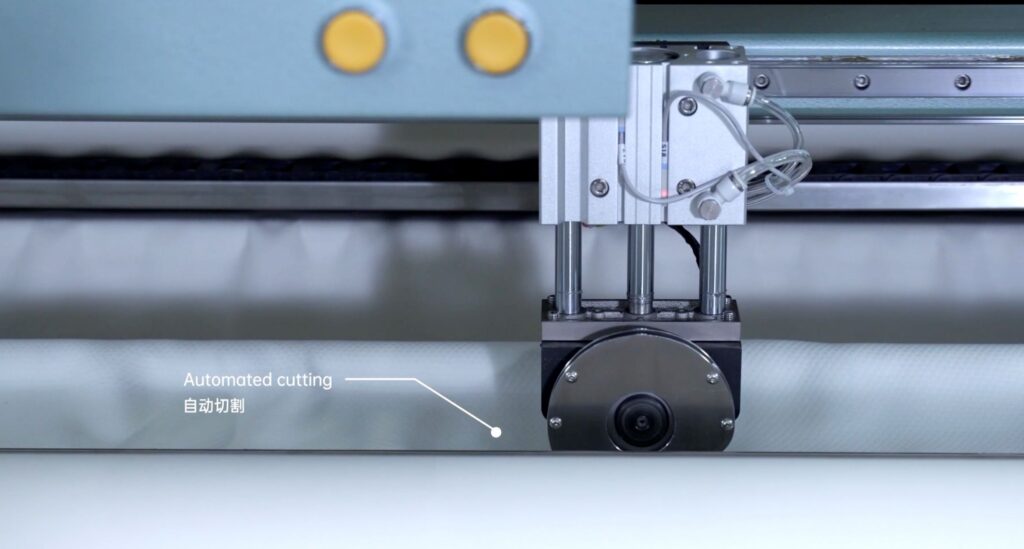
Their latest model and machine fleet are optimized for automation, with features such as automated doors, automated cutting and self-weighing of fabrics. These features work hand in hand with Automated Guided Vehicles (AGV) and helps to ease the workload of factory employees. These technologies combined allow manufacturers to collect real- time data, monitor machine efficiency and reduce downtime, contributing to productivity and smarter management.
A New Generation & the Road Ahead
As Unitex celebrates its 30th anniversary, the company is also preparing for the future through generational transition and organizational transformation. Mr. Pua’s daughter, who previously worked in major multinational corporations, has joined the company to help guide its next phase of development. Rather than focusing solely on sales and marketing, Nicole’s role involves studying broader organizational processes and introducing new approaches aligned with emerging technologies such as automation, artificial intelligence and digital systems. Mr. Pua believes that the younger generation brings fresh perspectives and the ability to conceptualize new possibilities in an increasingly technology-driven environment. Giving the new leadership team time to grow and learn, the exposure to global markets and the freedom to innovate will be essential in shaping the next chapter.
From its beginnings three decades ago to its current position as a respected global brand in circular knitting technology, Unitex’s journey reflects a commitment to precision engineering, customer partnership and continuous innovation.
Throughout its 30-year history, the company has navigated industry cycles, technological shifts and changing market dynamics while maintaining a clear focus on delivering reliable, efficient and user-friendly knitting machines. As the textile industry enters a new era defined by digital transformation, sustainability and faster product cycles, Unitex is well positioned to continue supporting knitting mills worldwide. With their strong manufacturing capabilities, deep market knowledge and a new generation preparing to lead the company forward, the next phase of the Unitex story promises to be as dynamic and impactful as the first thirty years.
Reflecting on three decades of partnership, Mr. Pua puts it simply: “Unitex begins with ‘U’. Everything we have built over the past 30 years has been built on the strength and trust of our customers. As we step into our next chapter, that commitment remains unchanged: we are here to grow with you.”