


Turning Environmental Challenges into Opportunities
As the textile industry intensifies its focus on sustainability and resource efficiency, companies are increasingly re-evaluating traditional processes to minimize environmental impact. One of the most critical challenges in textile wet processing, particularly in reactive dyeing, is the extensive use of salt, which significantly contributes to high Total Dissolved Solids (TDS) in effluent streams.
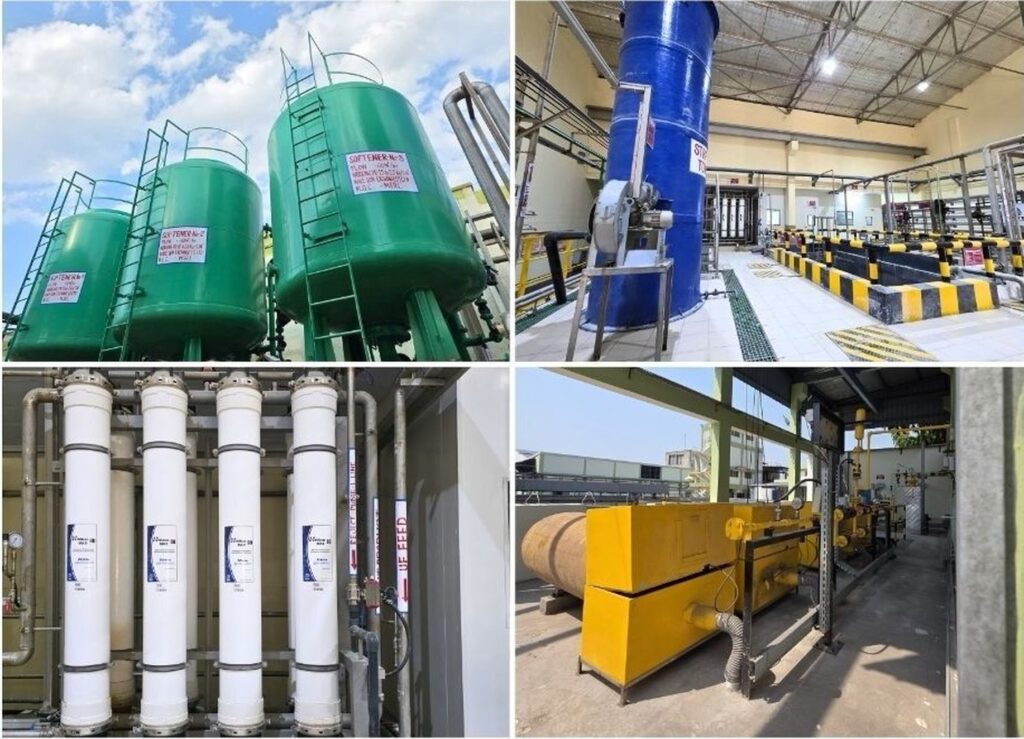
Under its GreenWeave initiative, Vardhman has taken a decisive step to address this issue by implementing an advanced, integrated salt recovery system. Through its Auro Textiles division, the company is transforming a major environmental concern into a scalable and value-driven solution, demonstrating how innovation can enable circular textile manufacturing at industrial scale.
Engineering a Circular Solution through Advanced Technology
At the core of Vardhman’s approach lies a sophisticated, multi-stage treatment system that combines cutting-edge membrane and separation technologies. The process integrates Ultrafiltration (UF), Nanofiltration (NF), Reverse Osmosis (RO), and selective Ion Exchange, enabling efficient treatment of dye bath wastewater.
This advanced system is designed not only to treat effluent but to recover dissolved salts in the form of reusable brine. By adopting this integrated methodology, Vardhman ensures high recovery efficiency while maintaining process stability and product quality.
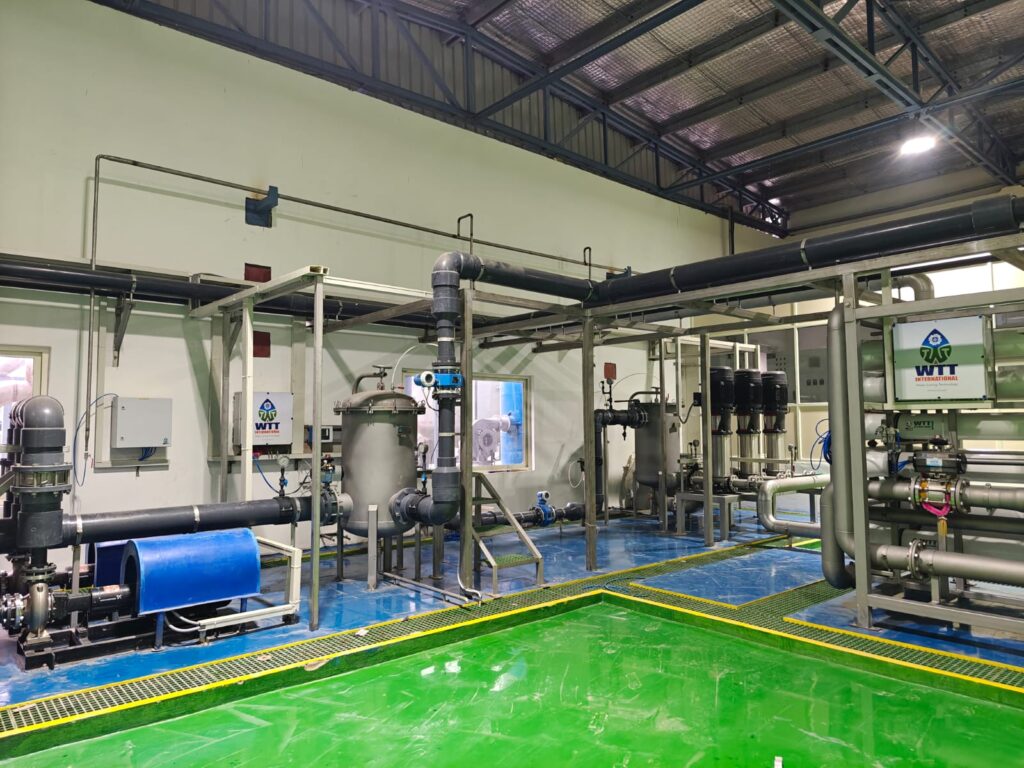
The ability to recover and reuse salt directly within the dyeing cycle represents a significant technological advancement, moving beyond conventional effluent treatment towards resource recovery and circular process design.
Delivering Measurable Environmental and Operational Impact
The implementation of the salt recovery system has yielded substantial and measurable benefits, both environmentally and operationally.
Vardhman has achieved near 100% recovery of salt from dyeing wastewater streams, translating into the recovery and reuse of approximately 6,000 metric tonnes of salt annually. This not only reduces dependence on fresh salt procurement but also significantly lowers input costs over time.
Equally important is the elimination of salt disposal to Treatment, Storage, and Disposal Facilities (TSDF) or landfills. By closing the loop within the process, the company has effectively reduced the environmental burden associated with waste handling and disposal.
The system also contributes to a significant reduction in TDS levels in final discharge, addressing one of the most critical environmental concerns in textile processing. This aligns with increasingly stringent regulatory requirements and global sustainability expectations.
Seamless Integration without Compromising Performance
One of the key strengths of Vardhman’s solution lies in its ability to integrate seamlessly into existing dyeing operations. The recovered brine is reintroduced into the dyeing process without any compromise on efficiency, consistency, or product quality.
This is particularly significant, as it demonstrates that sustainability-driven innovations can be implemented without disrupting operational performance, an essential factor for large-scale industrial adoption.
By ensuring process compatibility and reliability, Vardhman has established a practical and scalable circular economy model, setting a benchmark for the industry.
GreenWeave: Driving Sustainable Manufacturing at Scale
The GreenWeave initiative reflects Vardhman’s broader commitment to embedding sustainability across its operations. Rather than treating environmental compliance as a standalone requirement, the company is actively integrating resource efficiency, advanced technology, and circularity into its core manufacturing processes.
Through initiatives like salt recovery, Vardhman is redefining how textile manufacturing systems can operate, transforming waste streams into value streams and reducing environmental impact while enhancing operational efficiency.
A Model for the Future of Textile Processing
Vardhman’s implementation of advanced salt recovery systems under the GreenWeave initiative represents a significant step forward in sustainable textile manufacturing. By combining technology, scale, and strategic intent, the company has demonstrated that circular solutions are not only viable but also economically and environmentally advantageous.
As the textile industry moves towards stricter sustainability benchmarks and greater accountability, such innovations will play a crucial role in shaping the future of wet processing. Vardhman’s approach offers a compelling blueprint,
where innovation meets responsibility, and sustainability drives long-term value creation.