


Ricoltex, a leading textile company based in Argentina, is part of the Ritex Group, known for its commitment to innovation, sustainability, and high-quality textile production. In the context of rising energy costs and growing environmental regulations, Ricoltex embarked on a project to improve its energy efficiency and reduce environmental impact through the installation of thermal recovery systems. One solution came in the form of heat exchangers developed by LAIP, an Italian company specializing in technologies on textile dyeing . This interview explores the objectives, outcomes, and strategic advantages of this collaboration.

What needs do the heat exchangers address, and what type of application do they have at Ricoltex?
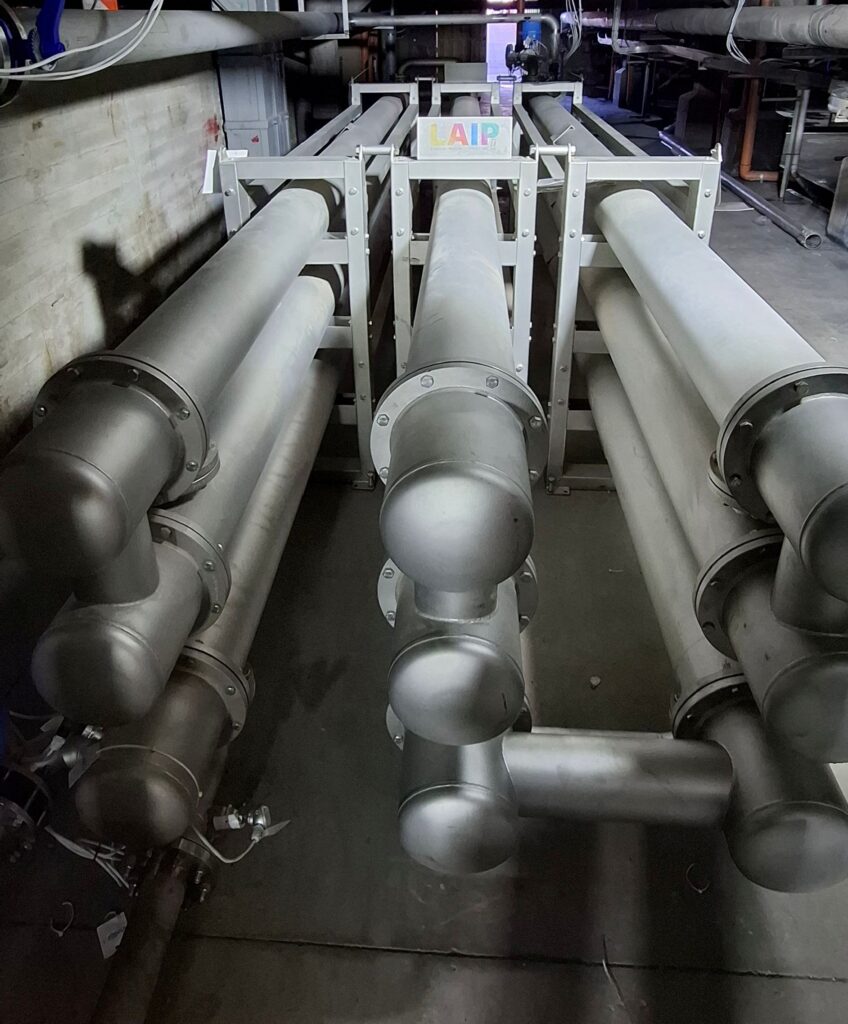
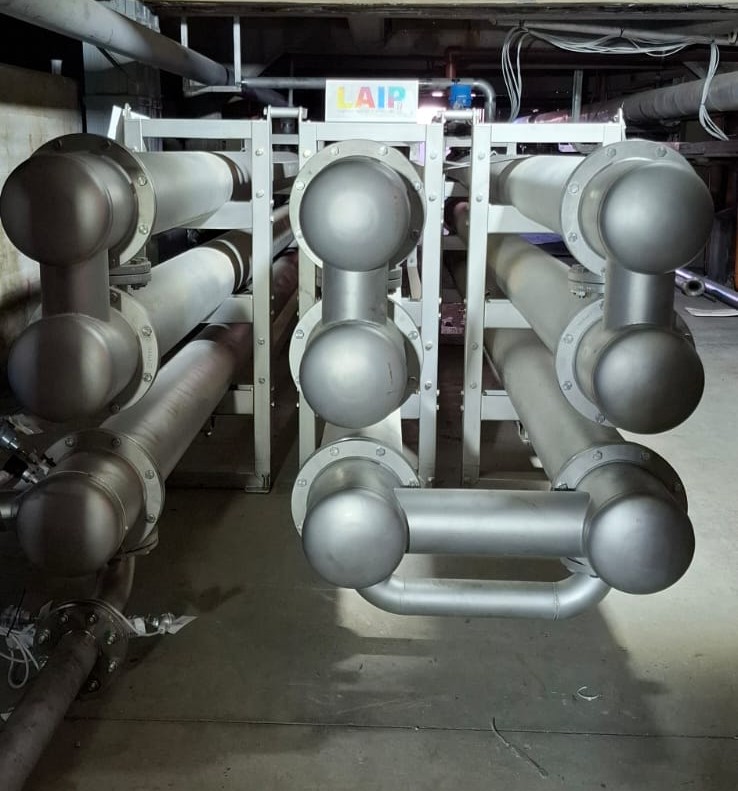
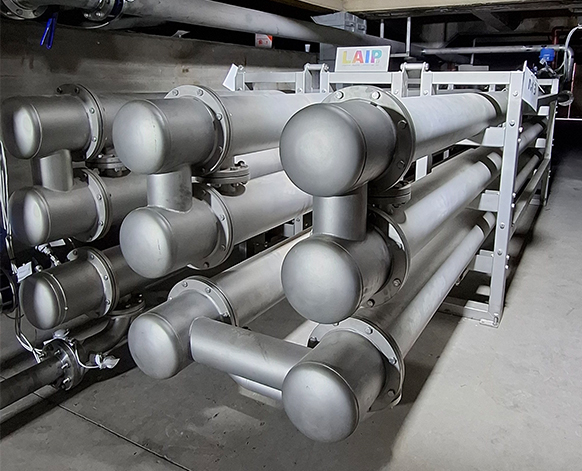
The primary objective behind installing the WeXY heat exchangers was to reduce the temperature of the textile effluent, which is essential for its subsequent treatment in our future Biologic Effluent Treatment Plant (ETP). In addition, the technology allows us to recover thermal energy from the effluent, which is then used to preheat the clean water entering the production process. This dual functionality not only enhances the system’s energy efficiency but also helps us comply with local discharge regulations. By integrating this technology, we are able to meet both environmental and operational objectives simultaneously.
How important is sustainability to Ricoltex?
Sustainability is a core strategic pillar for the Ritex Group, and it guides both our daily operations and our long-term vision. This approach is not just about complying with existing regulations; it reflects our commitment to responsible business practices and aligns with international standards and the increasing demands of the global market. Implementing clean technologies, such as heat exchangers, optimizing water use, and utilizing systems for process tracking and control, are clear examples of our sustainability policy in action.
How sensitive are Ricoltex customers to sustainability issues?
Our customers are increasingly sensitive to sustainability issues. In this context, Ricoltex’s sustainable approach not only responds to market demand but also provides us with a competitive edge and strengthens customer loyalty. As markets become more conscious of environmental and ethical practices, having a strong sustainability profile is increasingly becoming a key factor in building lasting business relationships.
What advantages has Ricoltex gained in terms of energy efficiency improvement, reduction of emissions and industrial sustainability?
The implementation of the thermal recovery system has resulted in tangible improvements across several key performance areas. The most notable achievement has been a sustained improvement in energy efficiency, with a reduction in natural gas consumption per kilogram of dyed fabric. Between August and November 2025, the specific gas consumption dropped by 6.3% compared to the baseline period of February–July 2025. In November, despite lower production, the specific consumption further decreased to 0.353 m³/kg, reaching the optimal performance observed earlier in the year.
The thermal recovery system has also contributed to a reduction of over 180 tons of CO₂ emissions. This directly impacts our environmental footprint, making our operations more sustainable in terms of both energy use and emissions.
Finally, by integrating efficient energy use and sustainable water management into our operations, we have enhanced the overall sustainability of our industrial processes. This positions Ricoltex as an environmentally responsible player in the global textile market, aligning with industry trends towards greener production practices.
Why did Ricoltex choose LAIP over other suppliers?
We were looking for a solution that would reduce operational response times, improve the overall efficiency of the production process, and provide reliable product and service quality. LAIP demonstrated all of these attributes, helping us optimize energy recovery and improve overall plant performance. The technical support from LAIP was also instrumental in meeting our operational goals. A very important point appreciated was the excellent balance between cost and performance offered by LAIP. The competitiveness of the pricing, coupled with the high quality of the product, ensured long-term operational sustainability without sacrificing cost-effectiveness. Another notable aspect of LAIP’s service was their effective and accessible post-sale support. Their commitment to addressing technical queries and issues promptly has been crucial for maintaining operational continuity.
The response time and proactive service have been exceptional. In addition to the technical aspects, the human relationship was crucial: the professionalism, transparency, and attention to detail during the negotiation phase were key factors in building a strong relationship. LAIP willingness to tailor their proposals to our specific needs set them apart from other suppliers, they customized the solution, adapting the system to our space limitations and to the equipment and automation already installed in the plant. Finally, the established relationship with LAIP’s local agent was another significant factor in our decision. The trust and mutual understanding built over time made communication smoother and more efficient, which facilitated both the commercial and technical management of the project.
Can you provide a performance evaluation based on the results achieved so far?
The thermal recovery system has met, and in some cases exceeded, our expectations. Between August and November 2025 the specific gas consumption has decreased by 6.0% on average compared to the baseline period of February–July 2025, with a total savings of 91,334 m³ of natural gas, translating to a cost savings of approximately USD 18.000. Additionally, the system’s consistent performance, particularly the recovery of optimal efficiency levels in November, has confirmed the system’s reliability and effectiveness.
What are your future recommendations and next steps for this project?
Moving forward, we will continue to monitor the specific gas consumption index on a daily basis to detect any operational variations. We also plan to incorporate a comprehensive analysis of natural gas and steam usage to estimate overall thermal efficiency. A quarterly dashboard will be implemented to consolidate consumption, savings, and energy KPIs, providing senior management with clear, data-driven insights into our energy performance.
The partnership between Ricoltex and LAIP stands as a prime example of how innovative technologies, like the WeXY heat exchangers, can drive energy efficiency, reduce environmental impact, and align operational goals with global sustainability standards. By leveraging these technologies, Ricoltex is not only improving its bottom line but also contributing to the ongoing evolution of the textile industry towards more sustainable practices.